JHDD Packaging Report — 2026.07.21
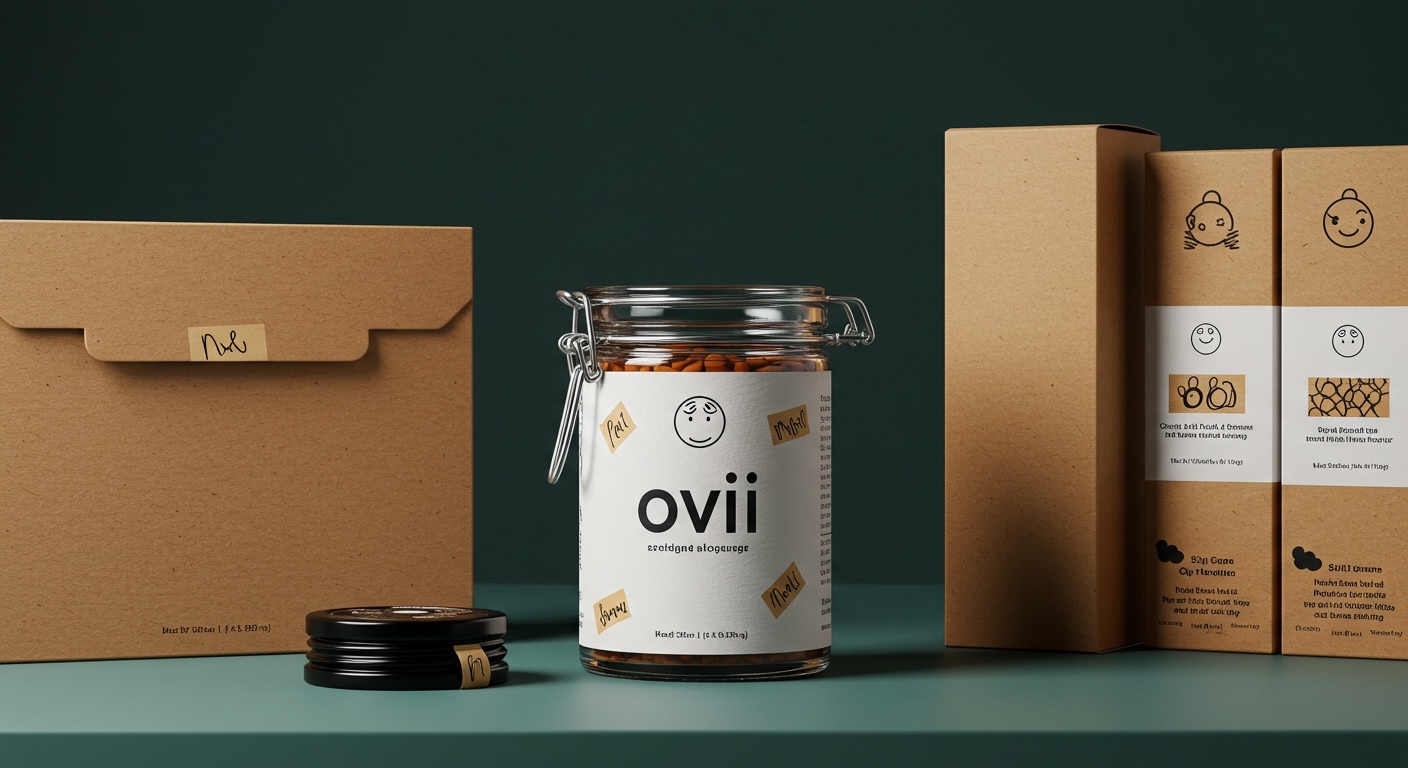
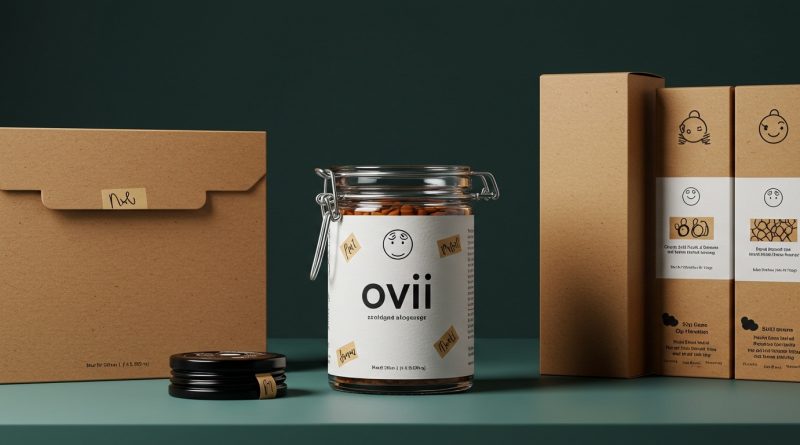
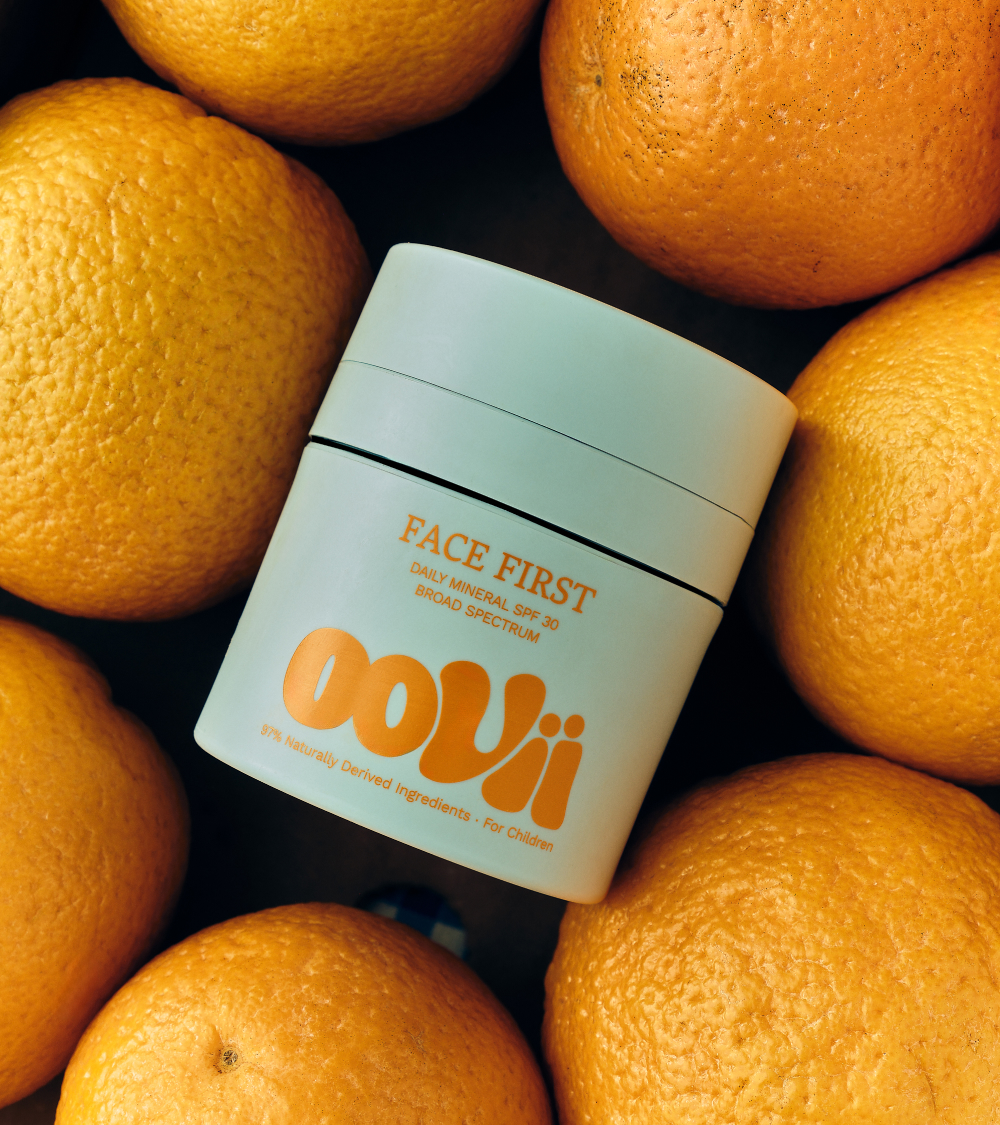
Duzi Studio’s design for Oovii, featuring a refillable jar with personalized name stickers, represents a deliberate shift in how brands approach sustained consumer engagement.
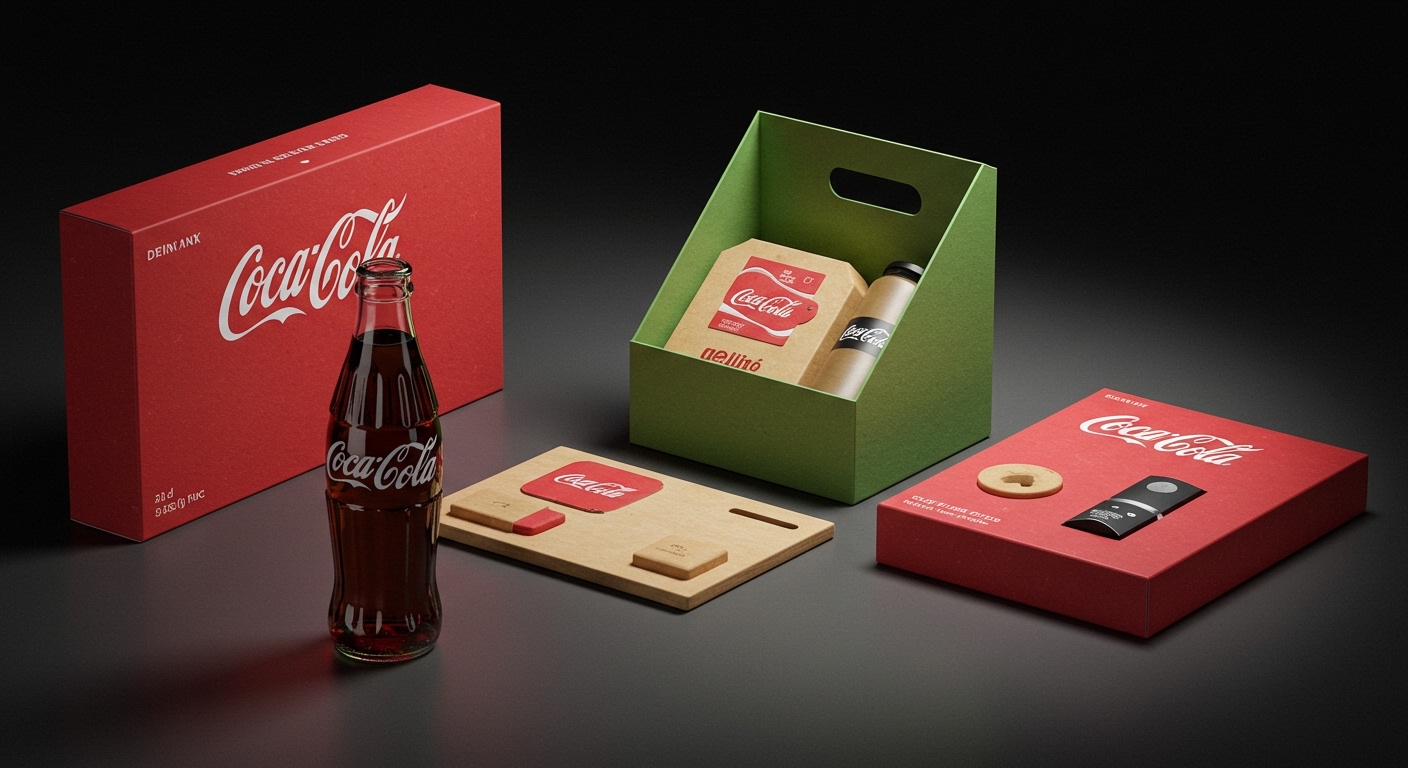
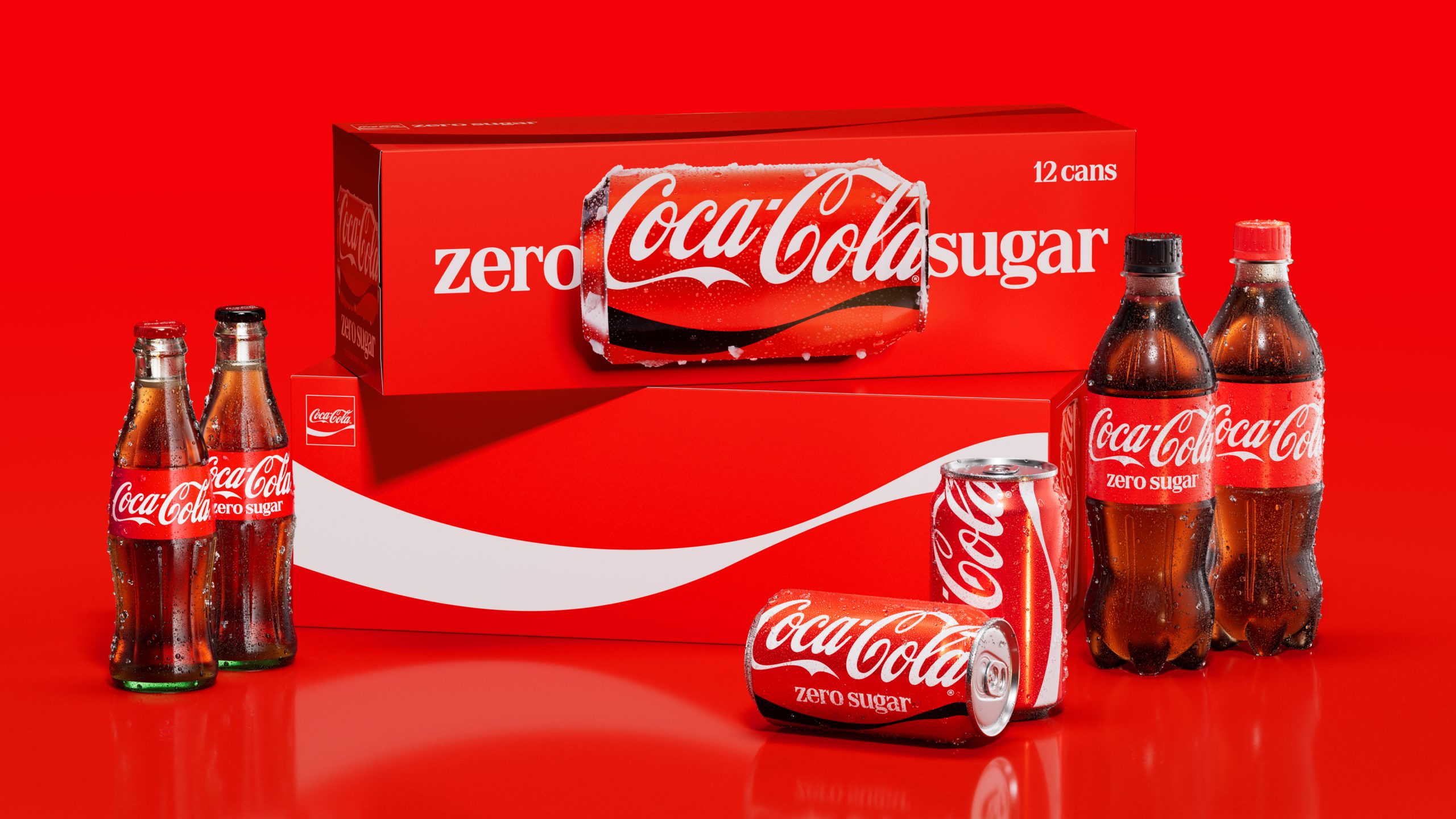
This approach, alongside TRÜF Creative’s decision to hide wine details on a wraparound cork for Thorn & Burrow, and the broader discussion on the shipping carton’s neglected visual impact, reveals a singular evolving truth: packaging’s communicative role extends far beyond the immediate shelf. Brands are slowly recognizing that every physical interaction point, from the shipping box arriving on a porch to a product used repeatedly at home, constitutes an opportunity for tactile branding and reinforces identity. This continuous engagement, whether through the amplification of existing iconic elements like Coca-Cola’s global visual identity refresh or entirely new sensory experiences, increasingly differentiates a product in a marketplace saturated with visual noise. It demands a holistic consideration of the package’s journey and its accumulating touchpoints.
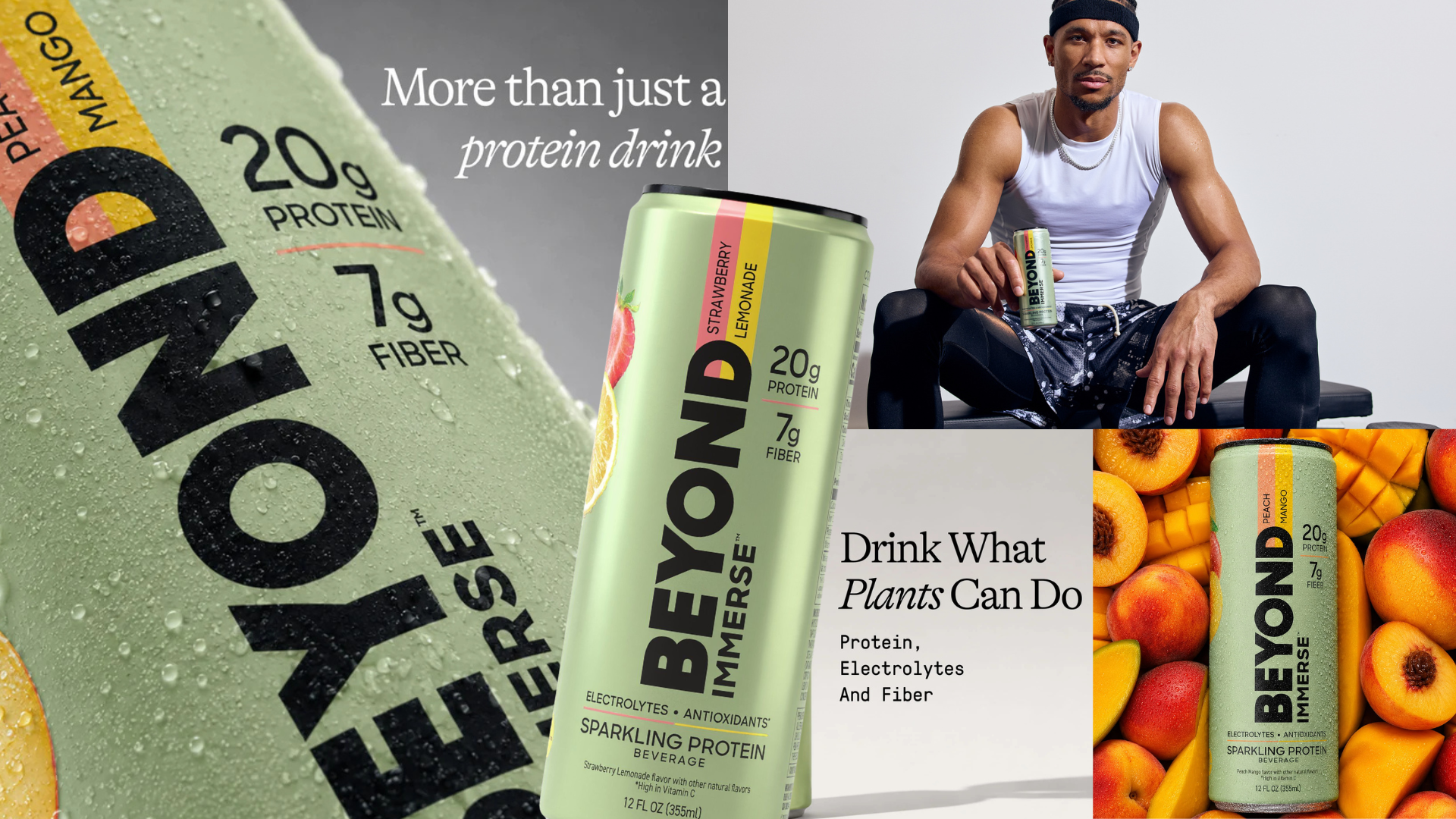
The conventional wisdom often dictates that packaging’s primary challenge is to capture attention on a crowded retail shelf through bold graphics or overt messaging. However, this view overlooks the profound impact of post-purchase interaction and the often-unseen journey of the package. The rapid redesign of Beyond’s sparkling protein beverage, even with Paula Grant of Suite9C’s swift intervention, highlights the limitations of a strategy focused primarily on initial launch impact and immediate visual appeal without deeply integrated, enduring brand cues that resonate across diverse contexts. While shelf impact is undeniably crucial, it represents only the initial contact in a series of engagements.
A more effective and sustainable approach, exemplified by Duzi Studio’s Oovii, prioritizes a longer, more intimate relationship with the consumer. The refillable jar, coupled with personalized name stickers, transforms a functional item into a personal possession, elevating daily sun protection into an experience of ownership and continuity. This directly contradicts the mainstream belief that packaging sustainability is primarily a material specification problem. Instead, it argues for packaging as a service, offering functionality that encourages reuse and personalization that builds emotional attachment and tactile brand loyalty. These designs extend the unboxing experience from a singular, often fleeting moment to an ongoing, tactile journey that deepens brand connection long after purchase. This strategic shift suggests that by mid-2027, the market will see a 20% increase in mass-market brands offering personalized, durable primary packaging that encourages refill or reuse at the point of purchase, moving beyond simple material swaps to systemic, user-centric sustainable design.
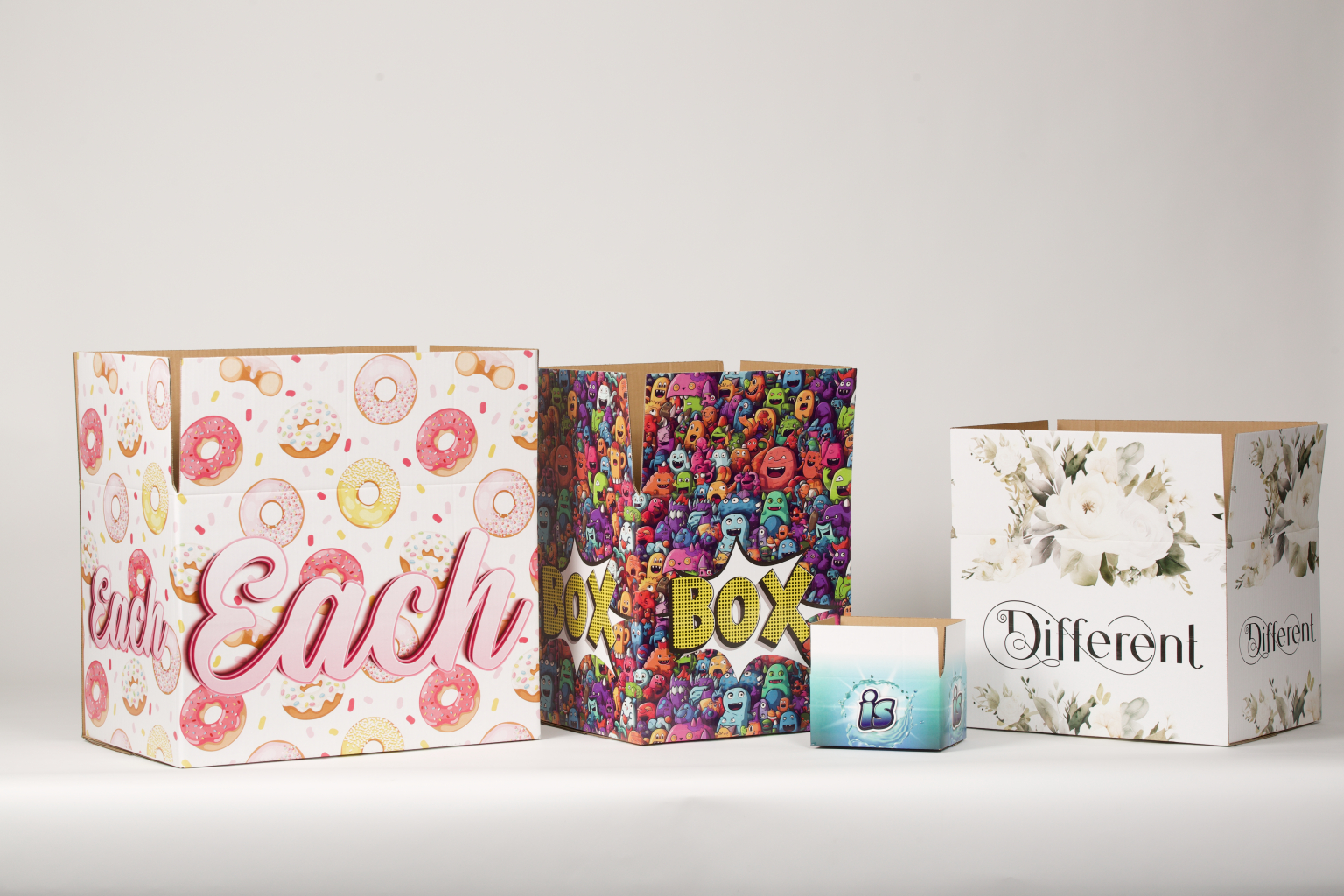
The primary resistance to this evolved perspective comes from ingrained logistical frameworks and the short-term economic pressures driving many packaging decisions. Companies often view the shipping carton, as discussed in “Why the Outside of the Box Matters More Than You Think,” as merely a transit vessel, prioritizing cost-efficiency and protection over aesthetic or brand extension. This functional-first mindset, coupled with the complexity of adapting existing supply chains for refillable or personalized systems, slows adoption. It maintains a focus on immediate shelf impact and rapid turnover rather than a holistic brand journey mapping that encompasses every tactile and visual touchpoint, including those often dismissed as mundane or purely utilitarian.
A working packaging professional should immediately conduct a “post-purchase journey” audit for a key product. This involves mapping every physical interaction point a consumer has with the packaging after it leaves the store or is delivered, identifying at least two distinct tactile branding opportunities that currently go unaddressed, particularly focusing on the longevity and reusability of the primary packaging and the potential for personalization.
TL;DR
Packaging design must now create continuous, tactile brand experiences across every consumer touchpoint, not just the retail shelf.
Curated References

About this editorial — This piece was developed using AI-assisted research and curation across multiple industry sources. All analysis, opinions, and predictions represent the editorial perspective of JHDD. Sources are linked in the references section above.