JHDD Packaging Report — 2026.10.06
Eye Coffee rethinks the on-the-go experience with a single-serve pour-over made from compostable materials.
This ingenuity, seen across recent packaging innovations, highlights a quiet but profound shift: the packaging itself is becoming a primary vector for the product’s core experience, not merely its container. Brands are not just choosing sustainable materials; they are designing with them, integrating their inherent properties into the product’s identity and user ritual. Whether through the functional elegance of aluminum tubes for food products or the deliberate tactility of Risograph printing on collectible labels, the physical interaction with packaging is increasingly engineered to be integral to the consumption narrative.
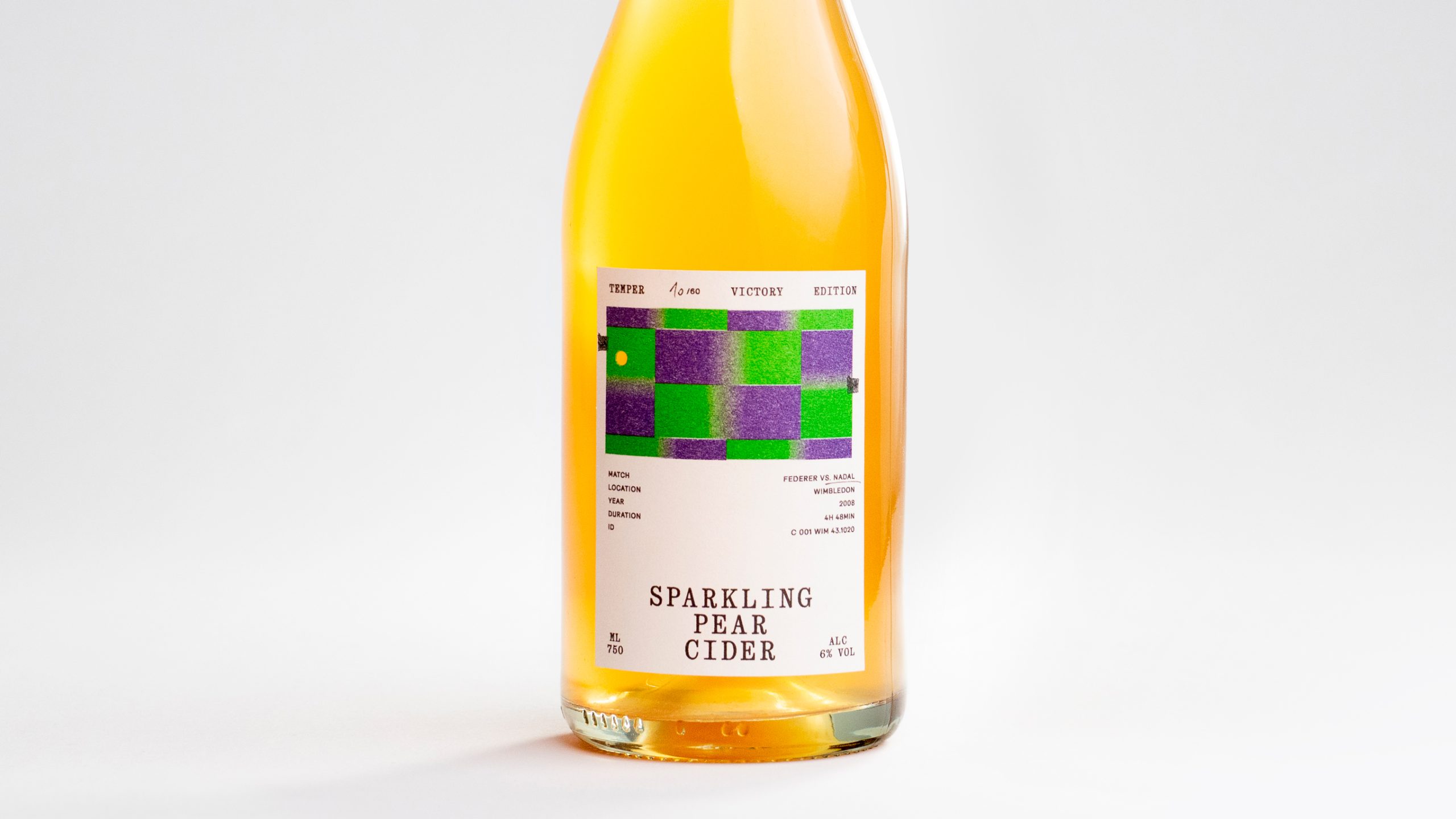
The approach taken by HONO Studio for TEMPER’s sparkling pear cider exemplifies this integrated design philosophy. By transforming the final point of the 2008 Wimbledon match into 60 distinct, risograph-printed bottle labels, HONO Studio elevates a beverage into a collectible narrative. This contradicts the conventional wisdom that unique, limited-run packaging is primarily a marketing gimmick for novelty. Instead, the specific, textured imperfections inherent to Risograph printing, combined with precise match data, create a tangible connection to a shared cultural moment. This isn’t about fleeting visual appeal; it is about embedding a story directly into the physical object, making each bottle a sensory artifact.
This integration of storytelling and material choice will become crucial. Designers often treat sustainability as a constraint, leading to solutions that feel compromised or generic. However, the true innovation lies in leveraging materials like aluminum, which offers distinct haptics and recyclability, or compostables like those used by Eye Coffee, whose organic qualities become part of the ritual. By mid-2027, the industry will see a marked increase in brands strategically adopting unconventional materials precisely for their unique tactile and visual qualities, moving beyond slick perfection to embrace authenticity and a richer user experience, challenging the notion that premium always means polished and pristine.
This shift faces resistance from established supply chains and cost-driven manufacturing processes that prioritize standardization and efficiency over unique material applications or small-batch, artisanal production methods. Large-scale contract manufacturers often lack the agility or specific tooling to accommodate complex print finishes like Risograph, or to handle novel material formulations without significant retooling costs. The immediate financial calculus often overshadows the long-term brand equity built through deeply integrated, experience-led packaging.
A working packaging professional should immediately reassess current material specifications not solely for their functional or cost-efficiency metrics, but for their inherent sensory properties and narrative potential. Experiment with how a material’s surface, weight, or even the sound it makes upon opening can contribute directly to the product’s story and unboxing experience. Engage with specialized printers or material suppliers early in the design process to explore capabilities beyond conventional finishes, actively seeking partners who can execute tactile and visual storytelling through nuanced material application.
TL;DR
Packaging must evolve beyond containment to become an integral, tactile part of the product’s sensory experience and brand story.
Curated References


About this editorial — This piece was developed using AI-assisted research and curation across multiple industry sources. All analysis, opinions, and predictions represent the editorial perspective of JHDD. Sources are linked in the references section above.