JHDD Packaging Report — 2026.09.28
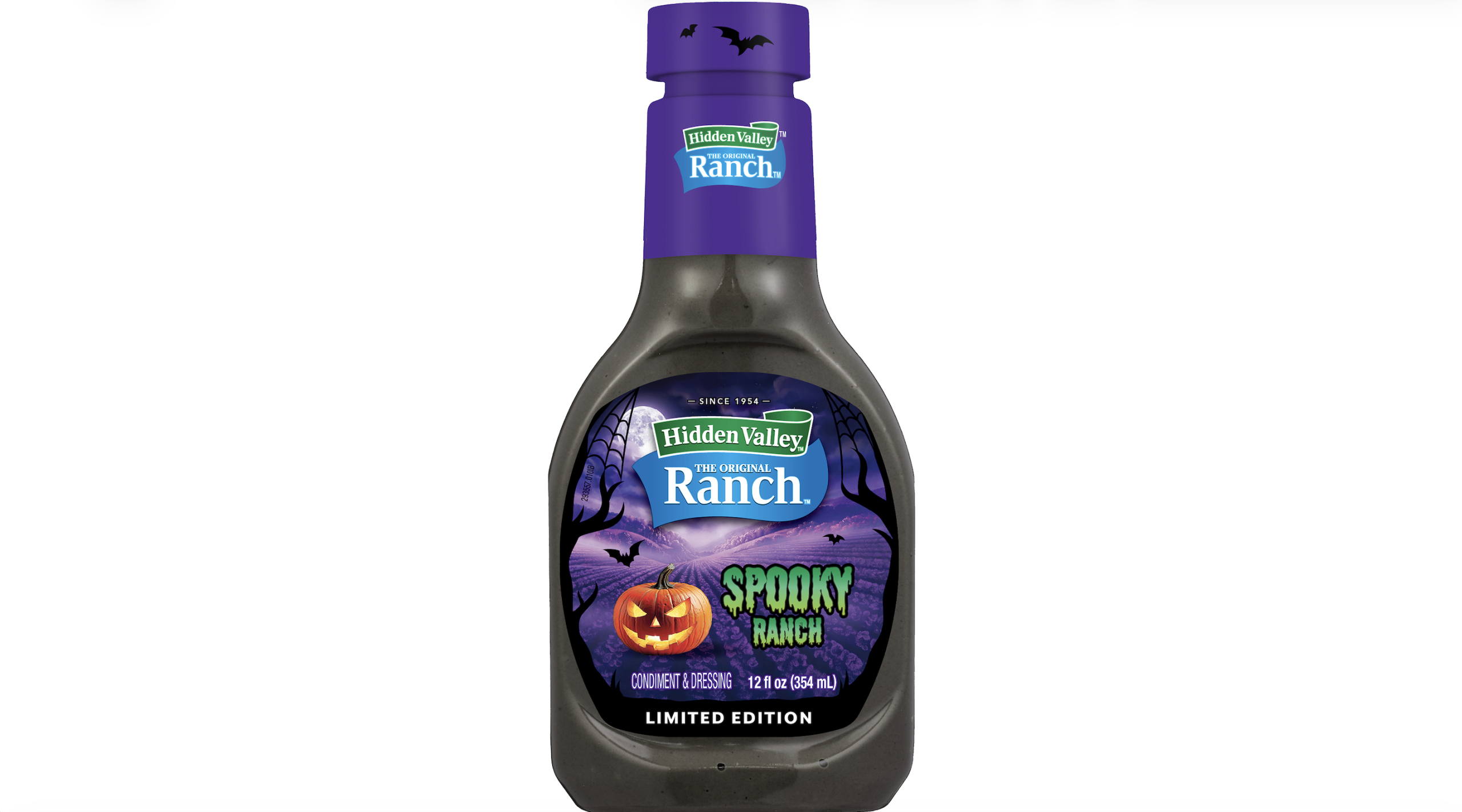
Hidden Valley Ranch’s limited-edition Spooky Ranch, with its glow-in-the-dark bottle, exemplifies a prevailing trend in contemporary packaging.
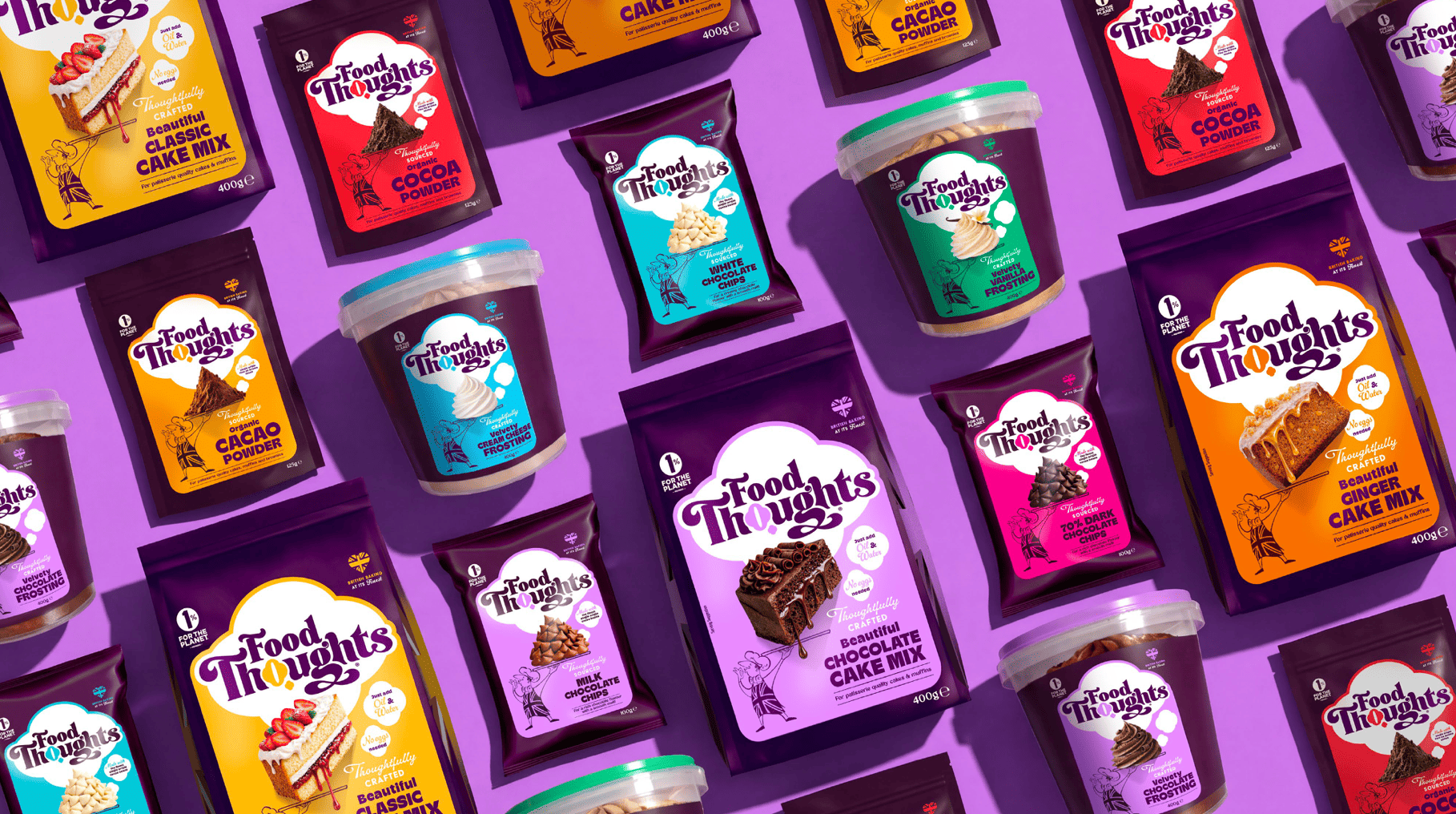
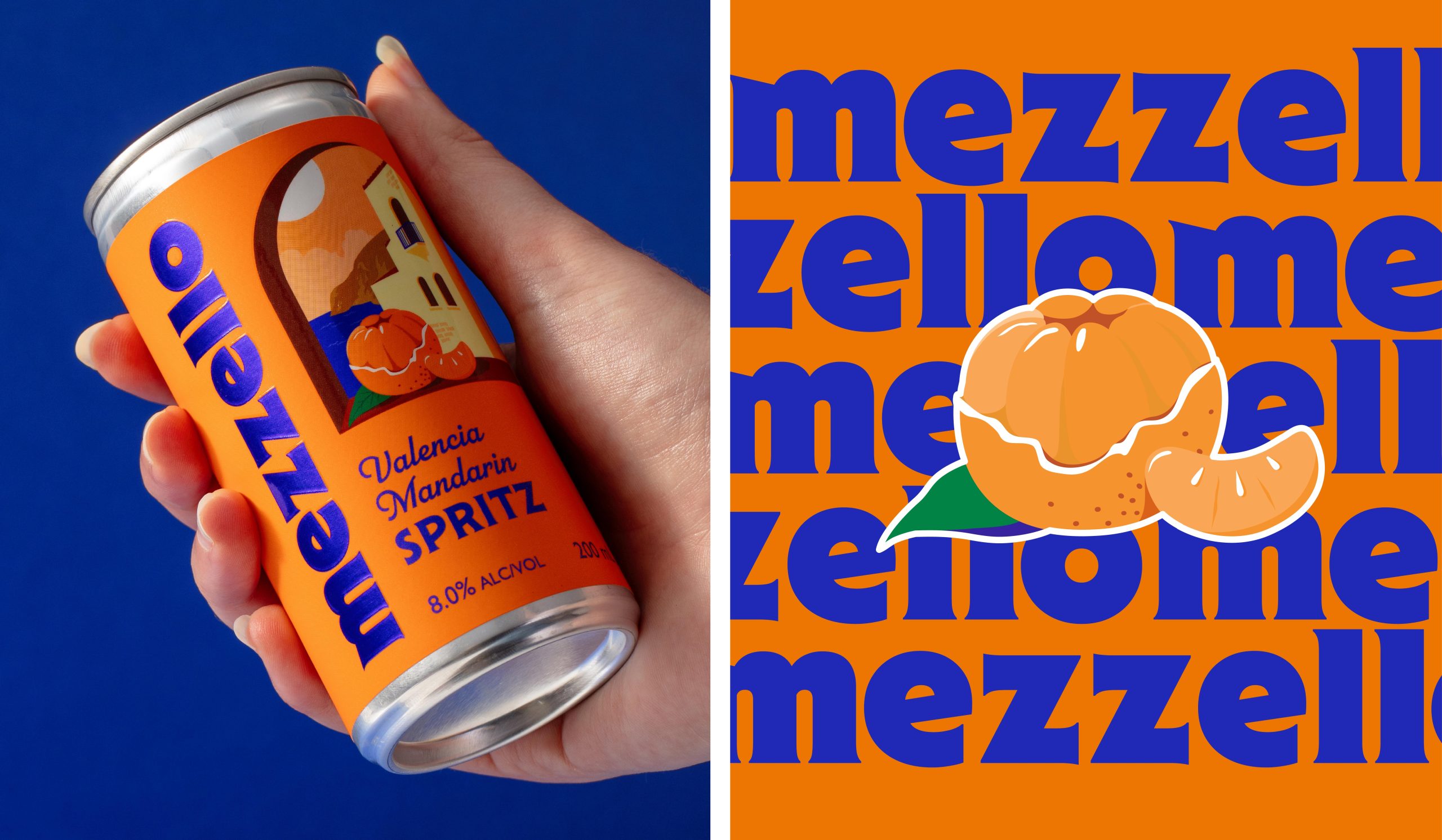
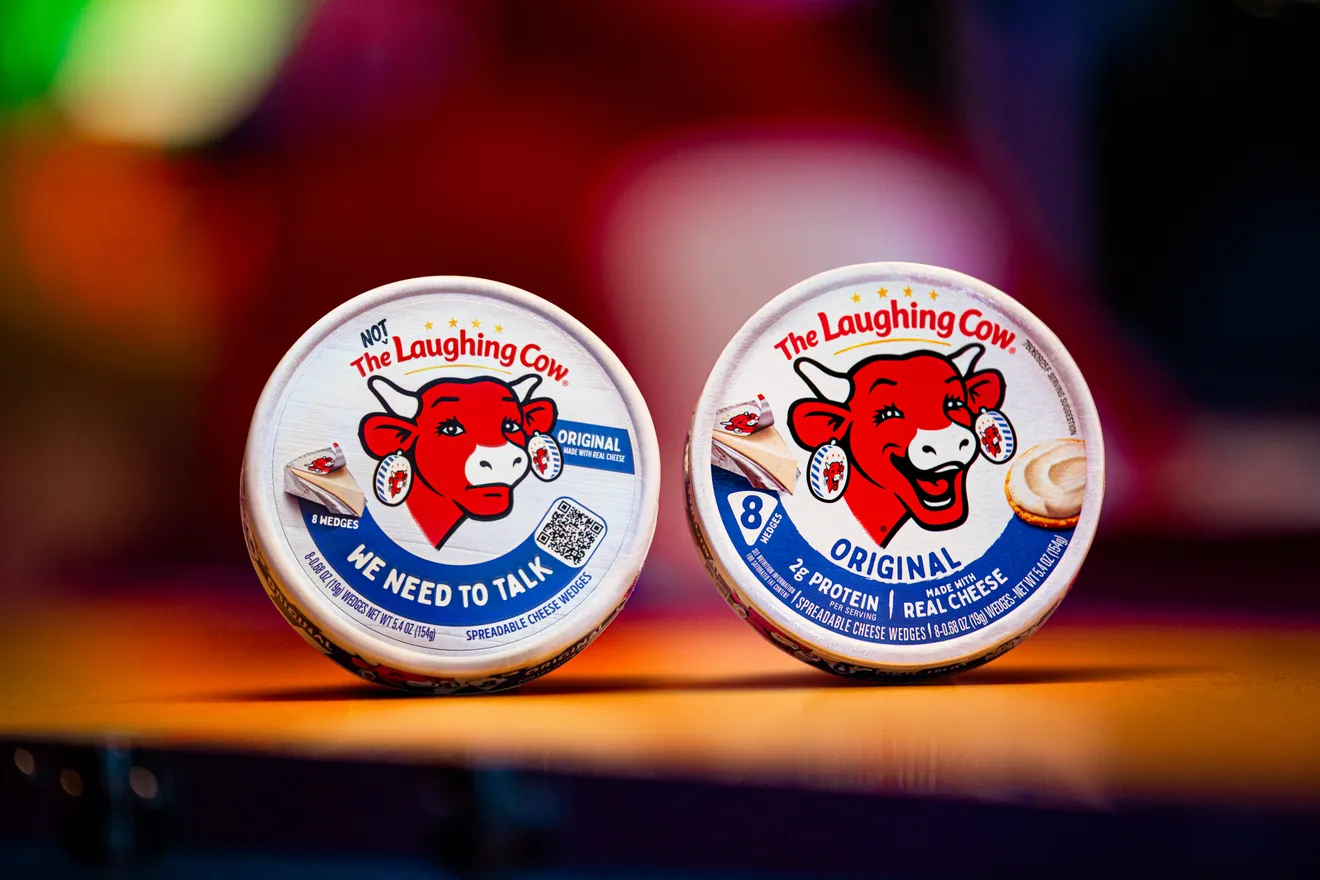
This trend involves brands relying on immediate visual spectacle and character changes to capture consumer attention, often for seasonal or promotional efforts. The shifts observed across Food Thoughts’ colorful new recipe packs and Mezzello Spritz’s destination-inspired cans demonstrate a concentrated effort to differentiate through vibrant aesthetics and narrative imagery. Concurrently, the unsmiling character of The Laughing Cow points to the power of disrupting established visual codes, highlighting how even minor alterations to beloved brand elements can generate significant discussion and recognition.
The absence of the iconic smile on Bel Brands’ Laughing Cow promotional packaging challenges the notion that positive additions are always necessary for impactful branding. Conventional wisdom suggests designers should always strive to enhance, refine, or add elements that convey positive attributes. However, the deliberate removal of a key emotive feature created immediate intrigue and conversation, demonstrating that the disruption of expectation can be a more powerful driver of engagement than overt novelty. The packaging achieved significant attention precisely because it deviated from the familiar, illustrating how a brand’s equity resides not only in what it explicitly presents but also in the implicit emotional contract it holds with its consumers.
This approach, while effective for generating buzz, also highlights a potential oversight in broader sustainability conversations within packaging design. While brands focus on fleeting visual gags or character makeovers, the deeper implications of material choices and lifecycle impacts often remain secondary. The industry’s current fixation on high-impact visual shifts risks overshadowing innovations in tactile sustainability, such as debossed patterns from recycled content or textural finishes derived from plant-based polymers, which offer a more enduring and less resource-intensive form of brand engagement. By mid-2027, the market will likely see a pushback from consumers demanding that packaging novelty be intrinsically linked to material advancements, moving beyond purely superficial aesthetic changes.
The resistance to this deeper integration of sustainability with tactile branding often comes from marketing departments prioritizing short-term sales spikes and visual virality over long-term material investment. Brand managers, pressured by immediate market share goals, frequently opt for readily deployable visual modifications like those seen in Hidden Valley Ranch’s glow-in-the-dark bottle, because they offer quick, measurable engagement metrics without requiring fundamental shifts in material sourcing or production infrastructure.
Packaging professionals should integrate material texture workshops into their initial concept development phases, specifically exploring how recycled content, reclaimed fibers, or innovative bio-materials can naturally create unique tactile surfaces that become an inherent part of the brand identity, rather than relying solely on applied graphics. This involves prototyping with these materials to understand their inherent aesthetic and haptic qualities.
TL;DR
Packaging design should pivot from ephemeral visual novelty to tactile branding rooted in sustainable material innovation.
Curated References
About this editorial — This piece was developed using AI-assisted research and curation across multiple industry sources. All analysis, opinions, and predictions represent the editorial perspective of JHDD. Sources are linked in the references section above.