JHDD Packaging Report — 2026.09.27
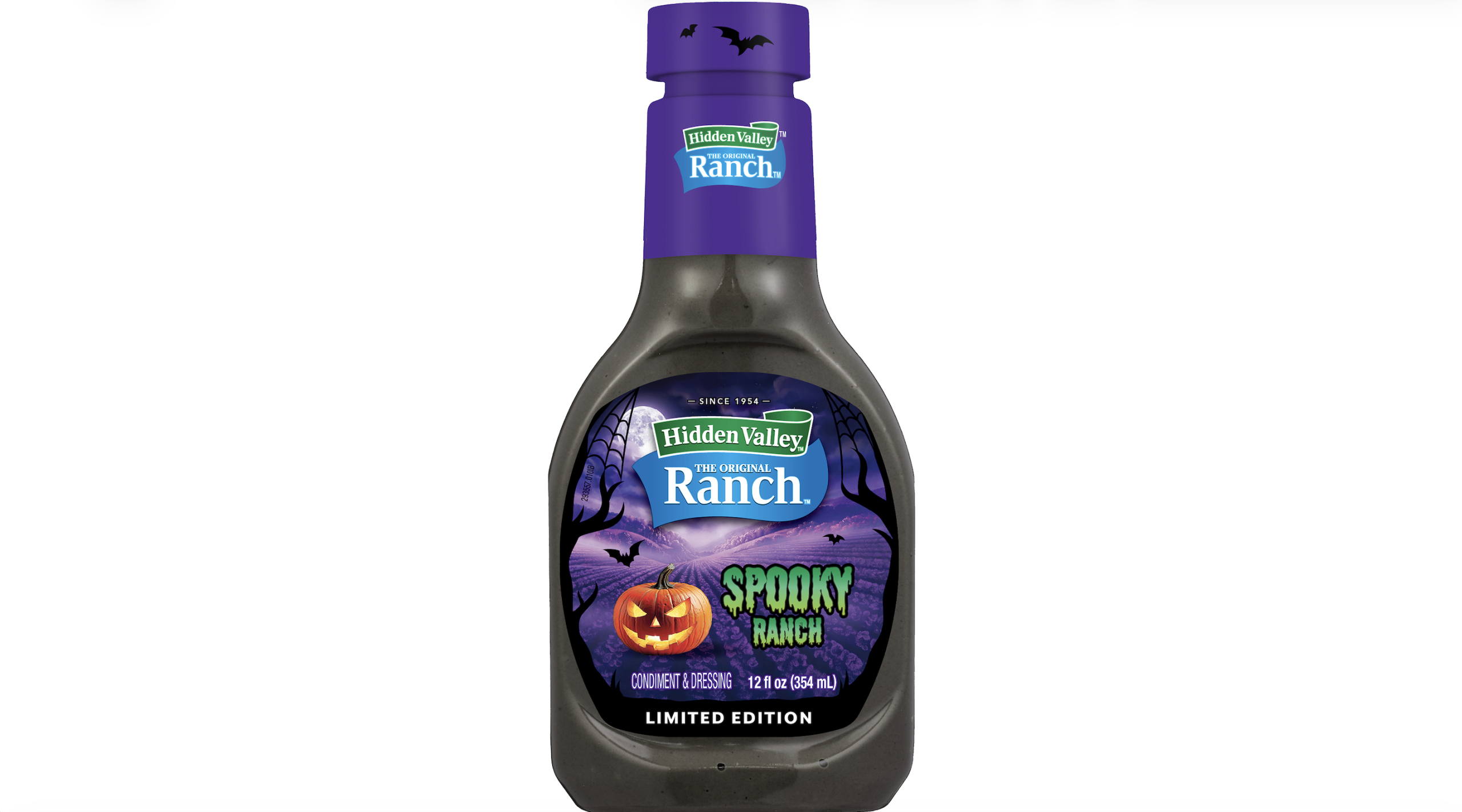
Hidden Valley’s Spooky Ranch glow-in-the-dark bottle demonstrates a clear trend toward experiential novelty in everyday products.
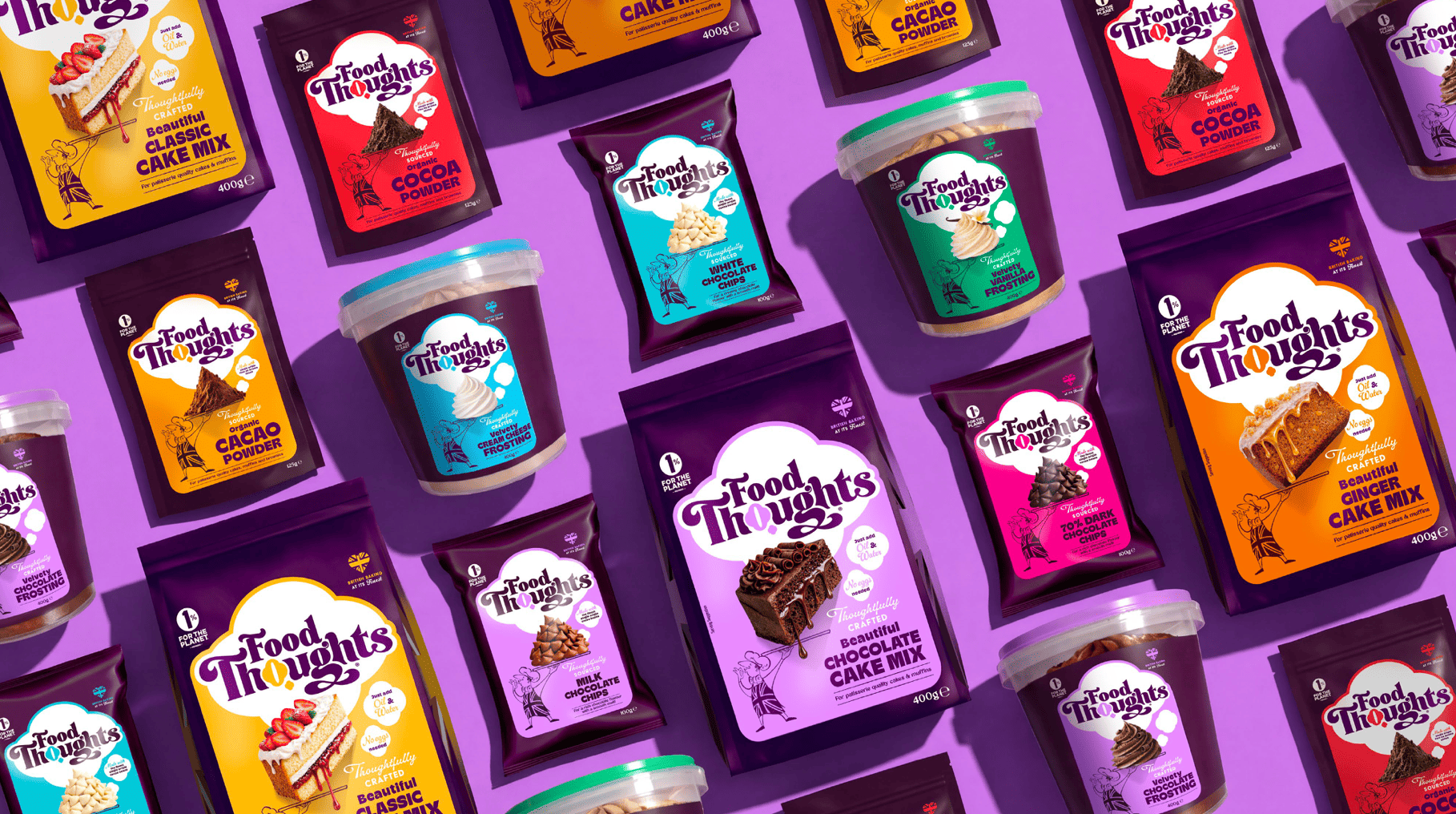
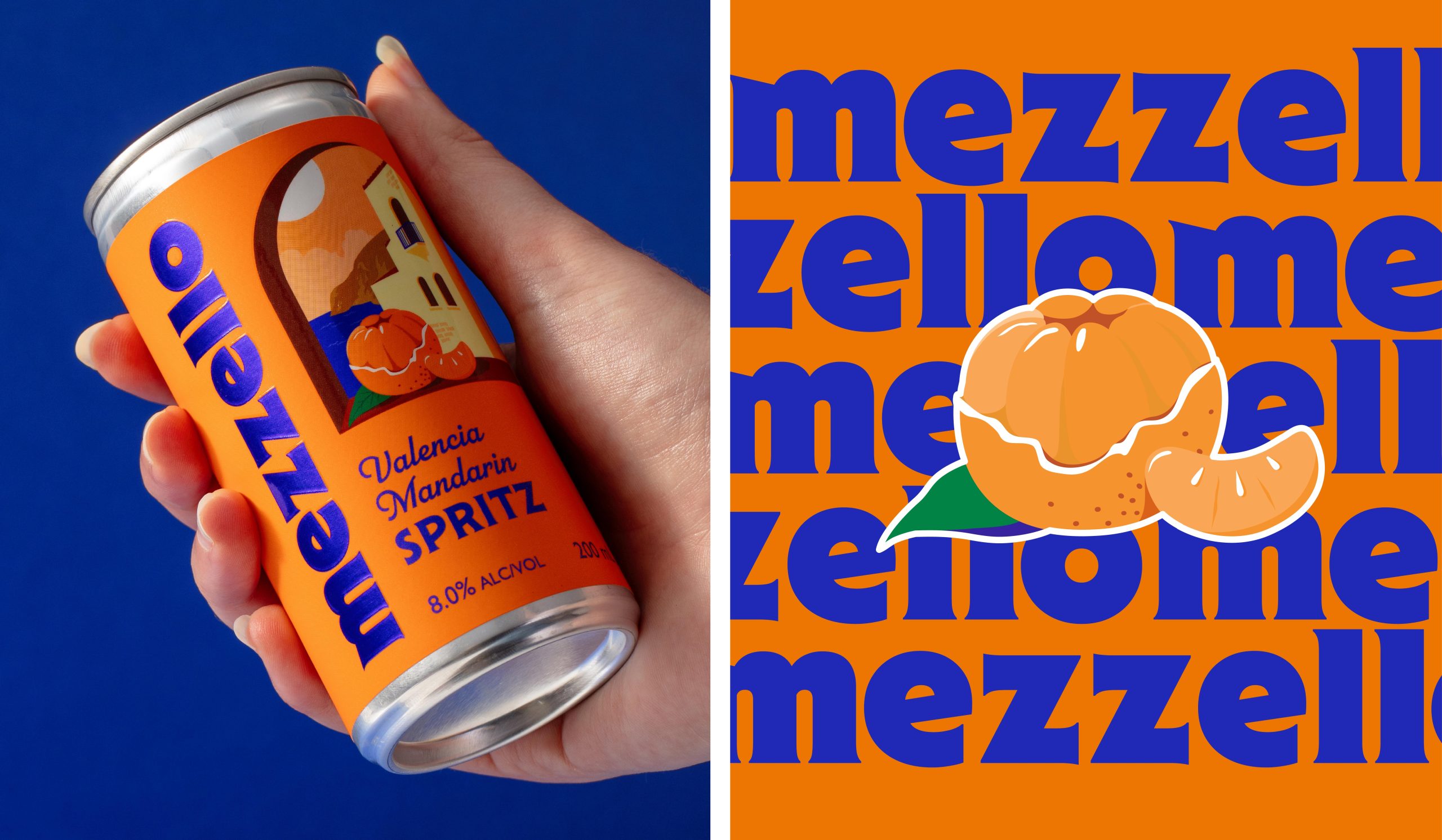
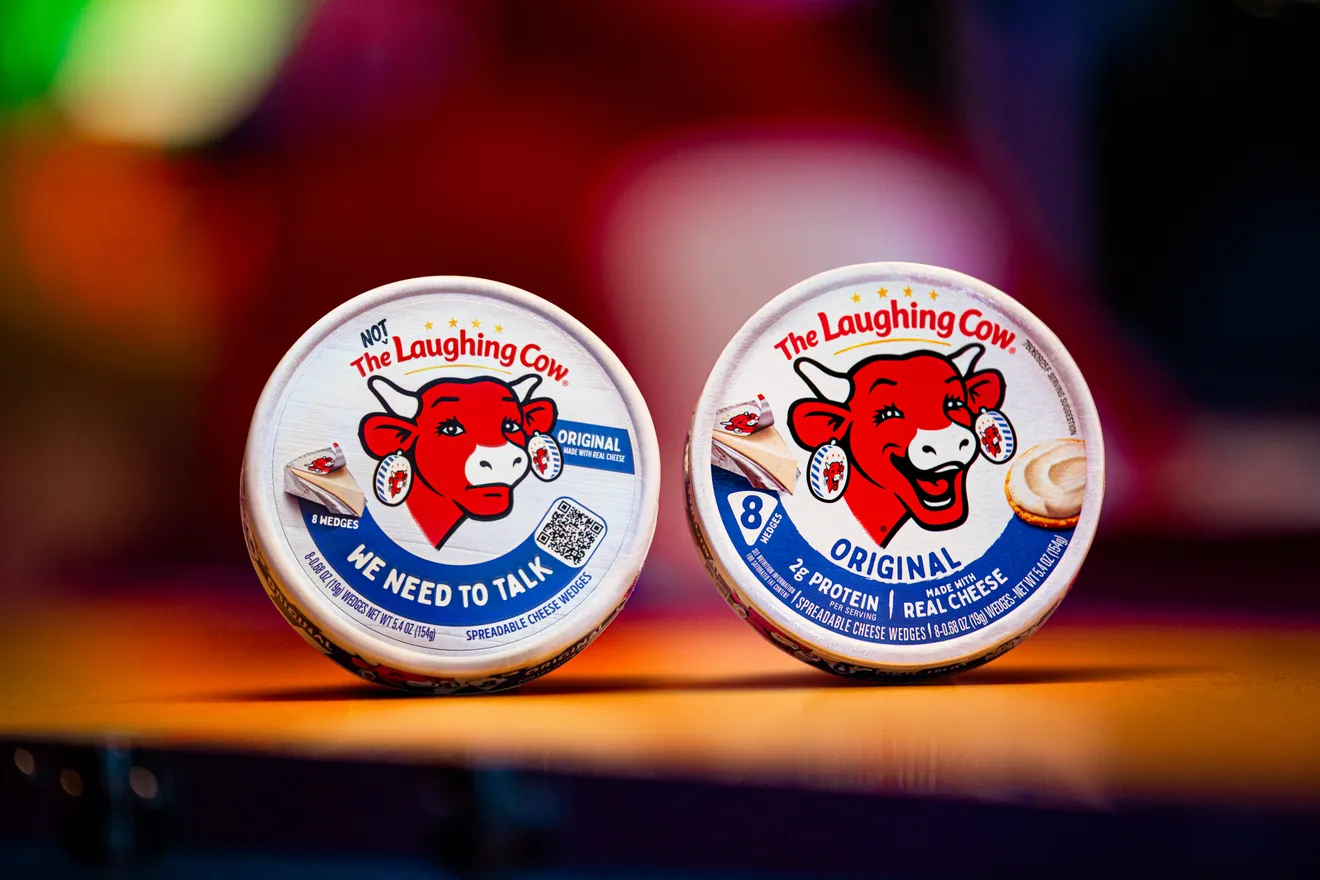
This pursuit of distinct experience, rather than just product differentiation, connects recent packaging developments. Brands are deploying targeted visual and tactile cues to evoke specific moods and interactions, from the playful escapism of Mezzello Spritz to the curious shift in The Laughing Cow’s expression. Hidden Valley Spooky Ranch, for instance, transforms a familiar condiment into an interactive element for a specific seasonal event. Food Thoughts brings a playful chef character and colorful packs to elevate the home baking experience. The common thread is an understanding that packaging is now a primary touchpoint for narrative, even when the underlying product remains unchanged. This moves beyond mere shelf stand-out; it is about extending the brand’s presence into specific moments of consumption or engagement.
Mezzello Spritz exemplifies this with its use of vintage travel poster references, translating the aspiration of a Mediterranean getaway directly onto a can. The oversized typography and saturated color of the design activate a sense of vibrant energy before the product is even consumed, suggesting that the “spritz” experience begins visually and emotionally on the shelf. The smooth, cool feel of the aluminum can, unadorned by artificial texture, then reinforces this perception of effortless, premium refreshment, directly linking the product’s physical form to a vacation-like sensation. This deliberate simplicity in tactile branding amplifies the aspirational visual story.
A common industry assumption suggests that genuine sustainability in packaging must visually declare itself through muted tones, recycled aesthetics, or overt messaging about circularity. Mezzello’s approach contradicts this. By utilizing aluminum cans, a widely recycled and materially circular option, the brand prioritizes sustainable infrastructure without compromising a lavish, escapist visual identity. This suggests that the most impactful sustainable packaging does not always preach its green credentials but rather embeds them within a compelling and desirable brand experience. Designers are realizing that consumers are increasingly aware of material properties, and that material circularity, when paired with premium, engaging aesthetics, can drive consumer preference more effectively than a proliferation of eco-labels. This indicates that by late 2027, brands will increasingly leverage inherent material sustainability for high-impact, aspirational packaging designs that prioritize sensory appeal, vibrant storytelling, and the aspirational qualities of the product itself, thereby redefining conventional “green” visual tropes.
The primary resistance to this approach comes from the inherent conservatism of large-scale retail logistics and procurement cycles. Implementing specialized finishes like glow-in-the-dark inks for a limited run, as with Hidden Valley’s Spooky Ranch, introduces complexities in supply chain, cost, and shelf-space allocation that major retailers resist. Furthermore, a shift towards more expressive, story-driven packaging requires a deeper strategic alignment between marketing and packaging teams, which legacy corporate structures often struggle to facilitate efficiently. The Dieline Awards’ independent tier, specifically addressing smaller teams with lower entry fees, highlights a clear divide where agile innovation thrives outside established corporate frameworks, suggesting that larger organizations face significant internal hurdles to rapid adoption of these nuanced, experiential packaging strategies.
A packaging professional should immediately reassess how their design briefs incorporate sensory details beyond sight. Instead of merely specifying colors and graphics, define the desired tactile sensation of the package and its contribution to the unboxing narrative. This involves proactively seeking out and engaging material scientists, print finish experts, and industrial designers early in the development cycle to explore specific textures, weight, thermal properties, and haptic feedback of chosen substrates, ensuring these elements align precisely with the brand’s emotional storytelling and experiential goals.
TL;DR
Packaging must now deliver emotional experiences and compelling narratives through sustainable materials, rather than relying solely on visual impact or overt green messaging.
Curated References
About this editorial — This piece was developed using AI-assisted research and curation across multiple industry sources. All analysis, opinions, and predictions represent the editorial perspective of JHDD. Sources are linked in the references section above.