JHDD Packaging Report — 2026.09.25
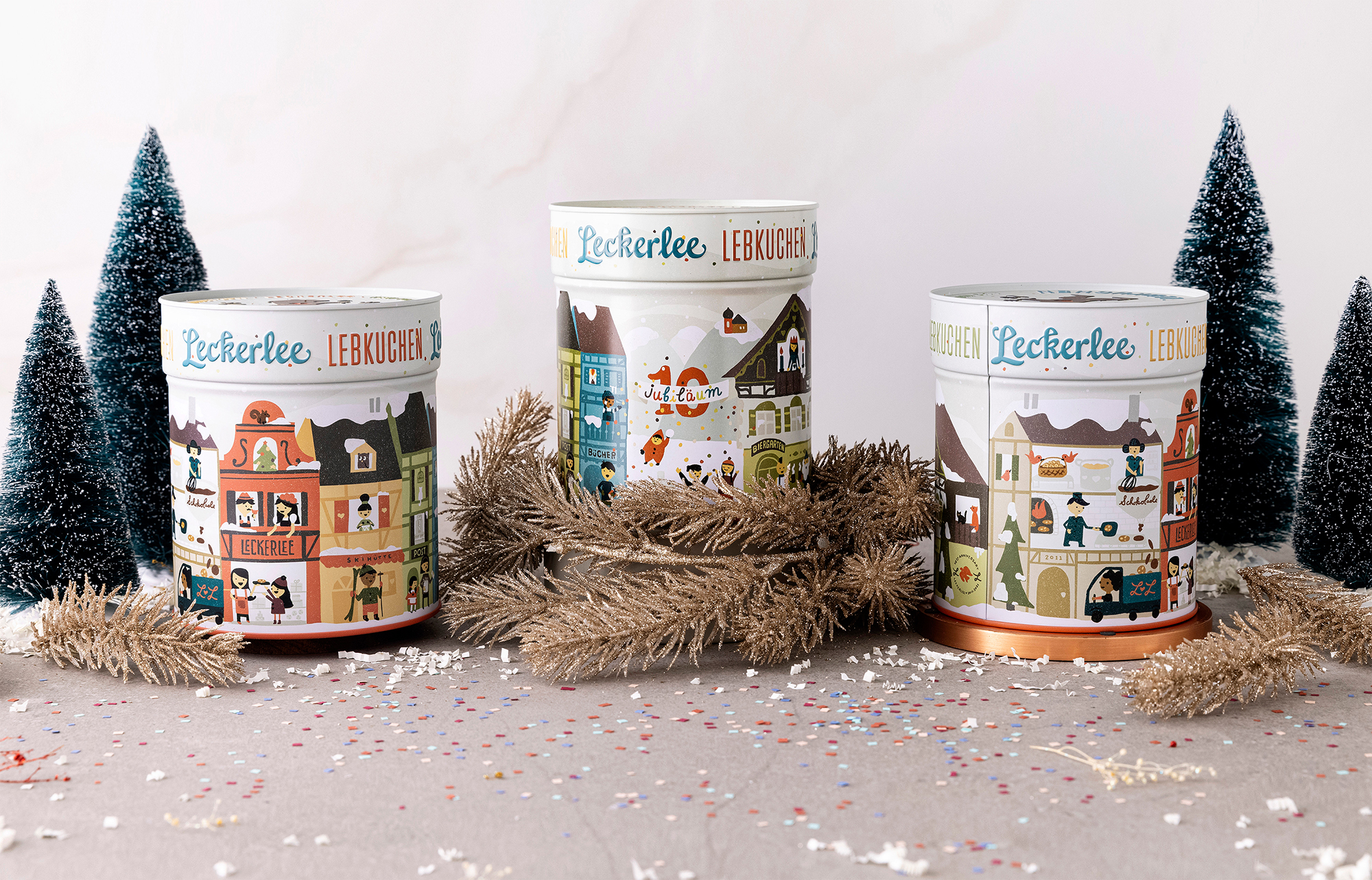
Leckerlee’s strategy of releasing 46 distinct lebkuchen tin designs over fifteen years demonstrates a deliberate shift towards packaging as enduring brand artifact.
This pattern, often missed by single-article reporting, reveals brands are intentionally designing packaging for long-term retention and re-use. The goal extends beyond immediate unboxing delight or shelf impact. Packaging is transforming into a collectible, a functional item, or a decorative object that embeds brand narrative into consumers’ personal spaces, fostering sustained engagement.
Mainstream industry opinion often prioritizes optimizing the initial “wow” of unboxing or maximizing shelf disruption to drive impulse purchases. This overlooks a deeper value. The true equity for brands like Leckerlee, or even Aldi’s “Swag For Life” jacket, resides in post-consumption engagement. Conventional wisdom expects rapid disposal after product use. However, significant brand loyalty and continued visibility emerge when packaging itself gains utility or sentimental value, prolonging its physical presence far beyond the product’s lifespan. Good Apple’s choice of a classic glass milk bottle, inviting re-use, achieves this sustained tactile brand presence within the home.
The belief that consumers will simply discard packaging is becoming outdated. Instead, packaging professionals should shift focus to designing for a second life, where that second life actively contributes to brand equity, not merely waste reduction. This requires materials and forms that invite retention. By late 2028, leading CPG brands will develop and publicly report on brand engagement metrics directly linked to how long and in what ways their packaging is retained and repurposed by consumers post-purchase.
Resistance to this approach primarily comes from established supply chain logistics and cost structures that inherently favor material efficiency and single-use economics. Procurement departments and bulk purchasers often categorize packaging as an expendable cost center, rather than a long-term brand asset. This operational inertia contributes to the continued push for the cheapest, lightest, and fastest-to-produce materials, irrespective of their potential for post-consumer utility or emotional resonance.
A working packaging professional should conduct an internal audit this week of at least one existing product line’s packaging. The audit must identify a component that could be redesigned for significant post-consumer utility or collectible value, alongside a clear articulation of how this second life will foster ongoing consumer connection.
TL;DR
Packaging must be designed for long-term utility and collectible value to extend brand engagement beyond initial consumption.
Curated References


About this editorial — This piece was developed using AI-assisted research and curation across multiple industry sources. All analysis, opinions, and predictions represent the editorial perspective of JHDD. Sources are linked in the references section above.