JHDD Packaging Report — 2026.09.15
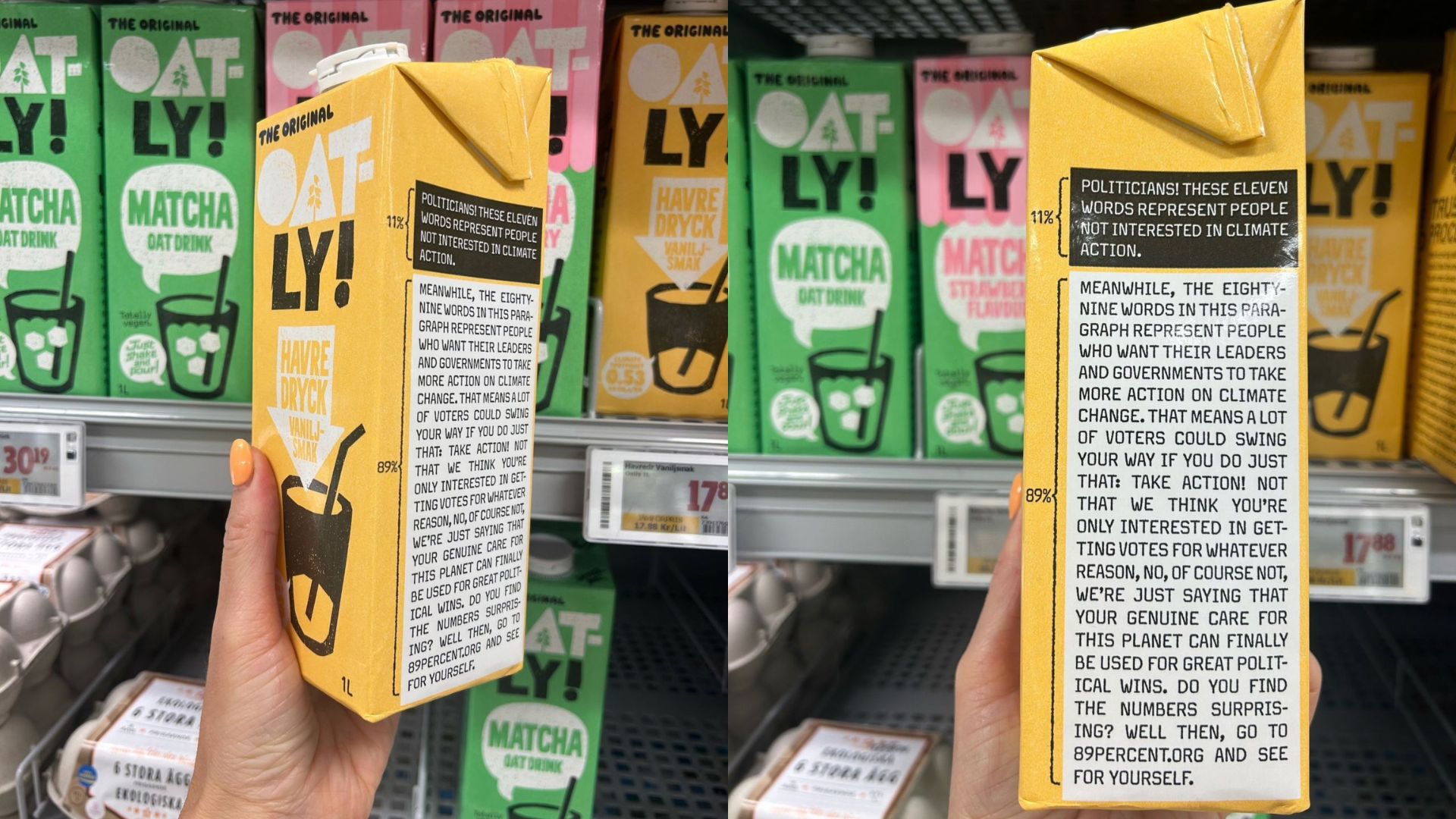
Oatly’s recent packaging in Sweden dedicates an entire side panel to promoting The 89 Percent Project.
This prominent display, alongside the playful design of Milky Band yogurt and the sculptural form of Fuji Matcha, signals a broadening definition of packaging value. Brands are moving past mere product protection or aesthetic appeal. They are engaging consumers through shared values, tactile play, and distinct visual narratives that offer more than surface-level information. The focus is shifting towards interaction and story, whether through a political message, a collectible cap, or a recognizable silhouette.
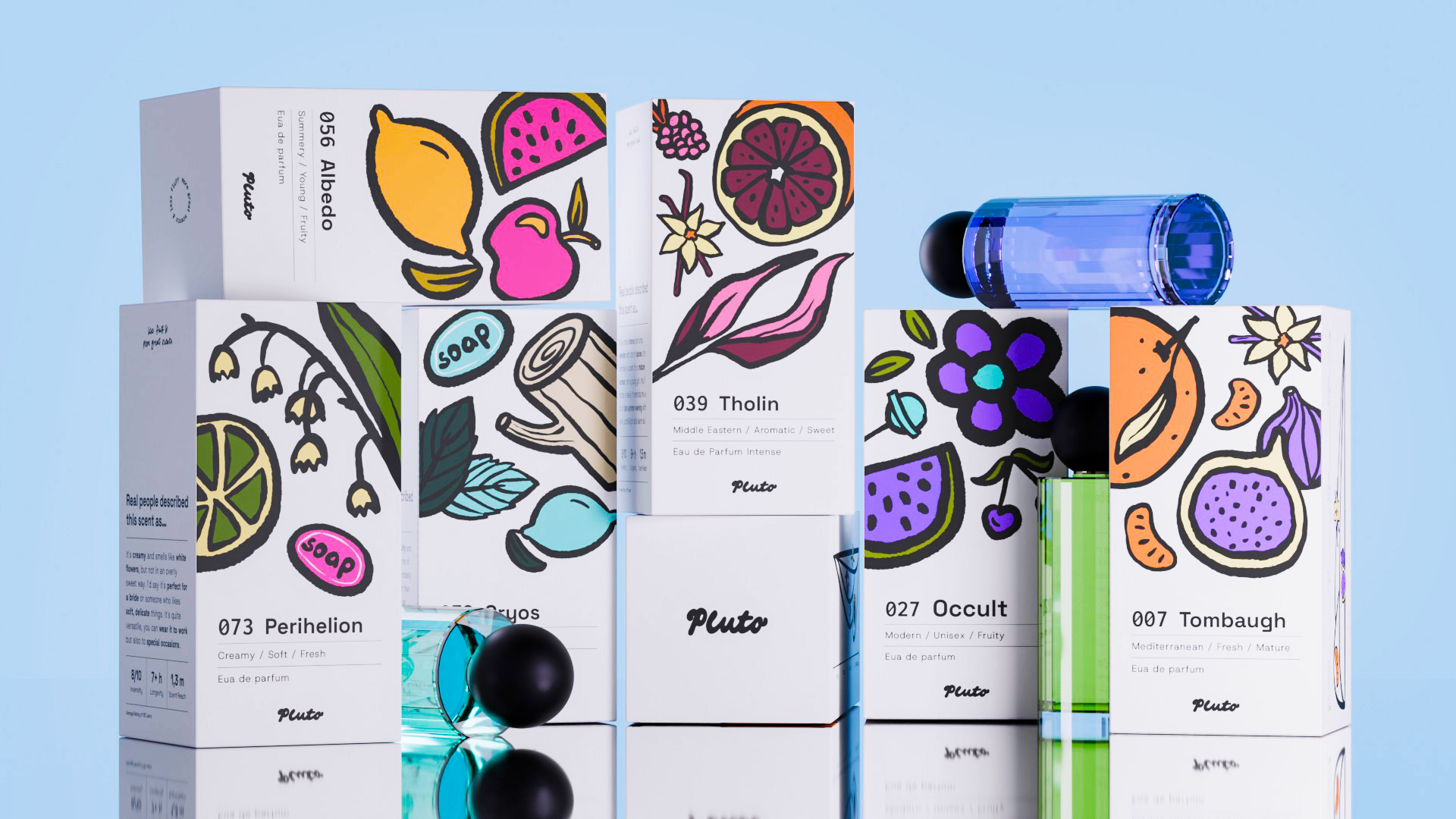
The trend exemplified by Pluto perfume, with its familiar scent references and playful illustrations, suggests a critical re-evaluation of perceived “luxury” in fragrance packaging. Traditional industry opinion often insists on cryptic descriptors and minimalist designs to convey sophistication. However, Pluto demonstrates that accessibility and direct communication can foster a deeper connection. This approach challenges the notion that premium packaging must maintain an air of exclusivity and abstraction. Instead, it positions transparent, engaging design as a compelling pathway to consumer trust and delight.
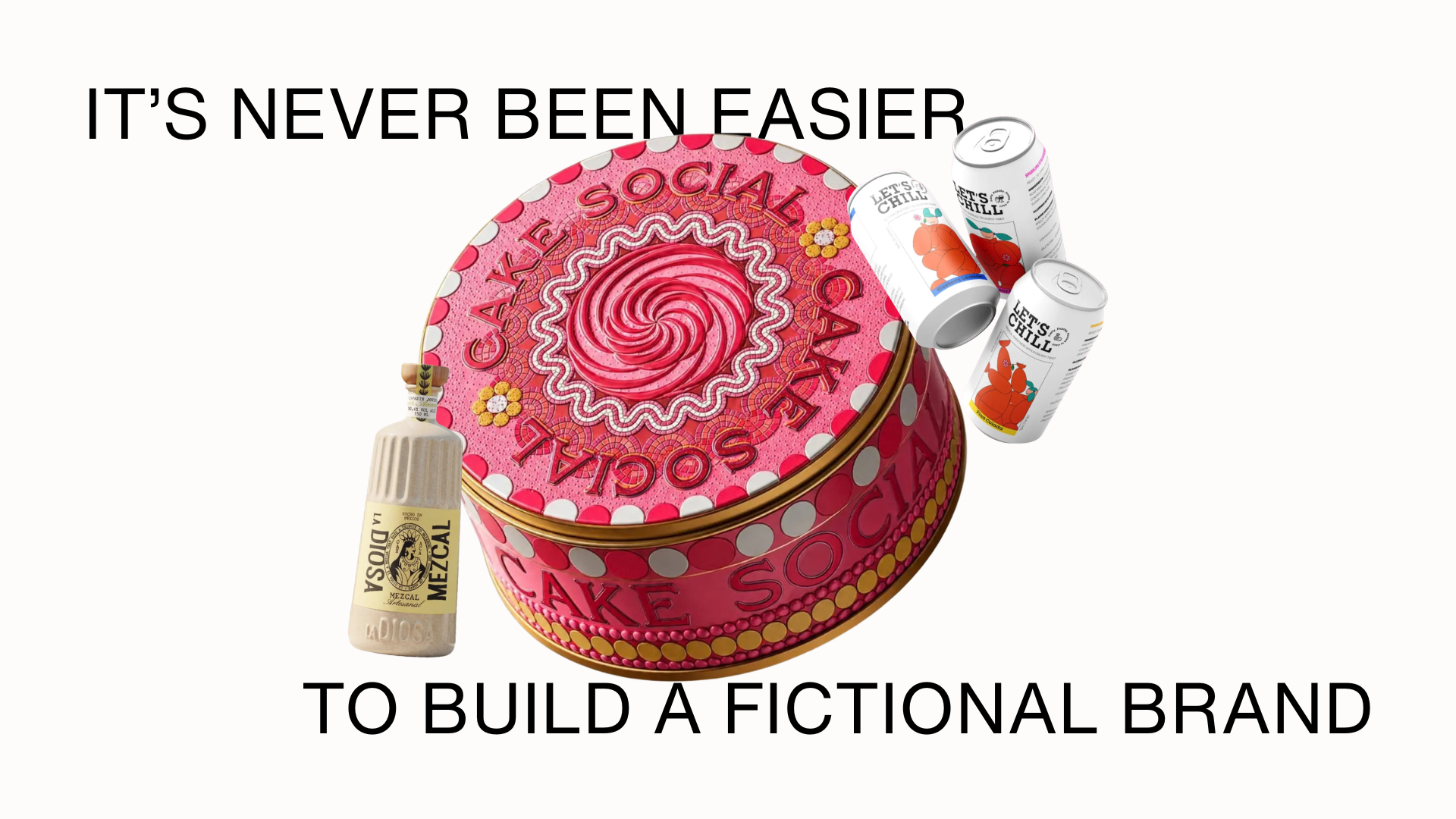
The debate raised in Shelf Life 127 about AI-generated concept brands becoming indistinguishable from real ones further underscores this. While many in the industry fear a devaluation of physical design, this development offers a counter-intuitive advantage for tangible packaging. When digital renderings become flawless, the true differentiator for physical products will be the unquantifiable sensory experience. Packaging professionals will prioritize the nuances of material texture, the precision of a closure, and the satisfying weight of an object. By late 2027, the industry will see a marked increase in investment towards advanced tactile finishes and interactive opening mechanisms, moving beyond simple print effects to achieve a tangible authenticity that digital concepts cannot replicate.
This shift towards experiential and value-driven packaging meets resistance from established production processes and cost-efficiency models. Many manufacturers and brand managers remain bound by conventional wisdom that prioritizes minimal material use and standardized shapes to optimize logistics and reduce unit costs. The perceived risk of deviating from proven, scalable formats often outweighs the potential for deeper consumer engagement, especially for mass-market products where margins are tight.
A working packaging professional should this week investigate existing print technologies or material suppliers that offer unique tactile finishes or structural capabilities beyond standard four-color process and basic carton construction. Explore how a simple emboss, a deboss, a textured varnish, or a non-standard die-cut could enhance the unboxing experience of a current project, even if it adds a fractional cost. This exercise forces a focus on sensory impact over pure visual appeal.
TL;DR
Packaging is evolving from information delivery to multi-sensory engagement and value communication.
Curated References


About this editorial — This piece was developed using AI-assisted research and curation across multiple industry sources. All analysis, opinions, and predictions represent the editorial perspective of JHDD. Sources are linked in the references section above.