JHDD Packaging Report — 2026.09.14
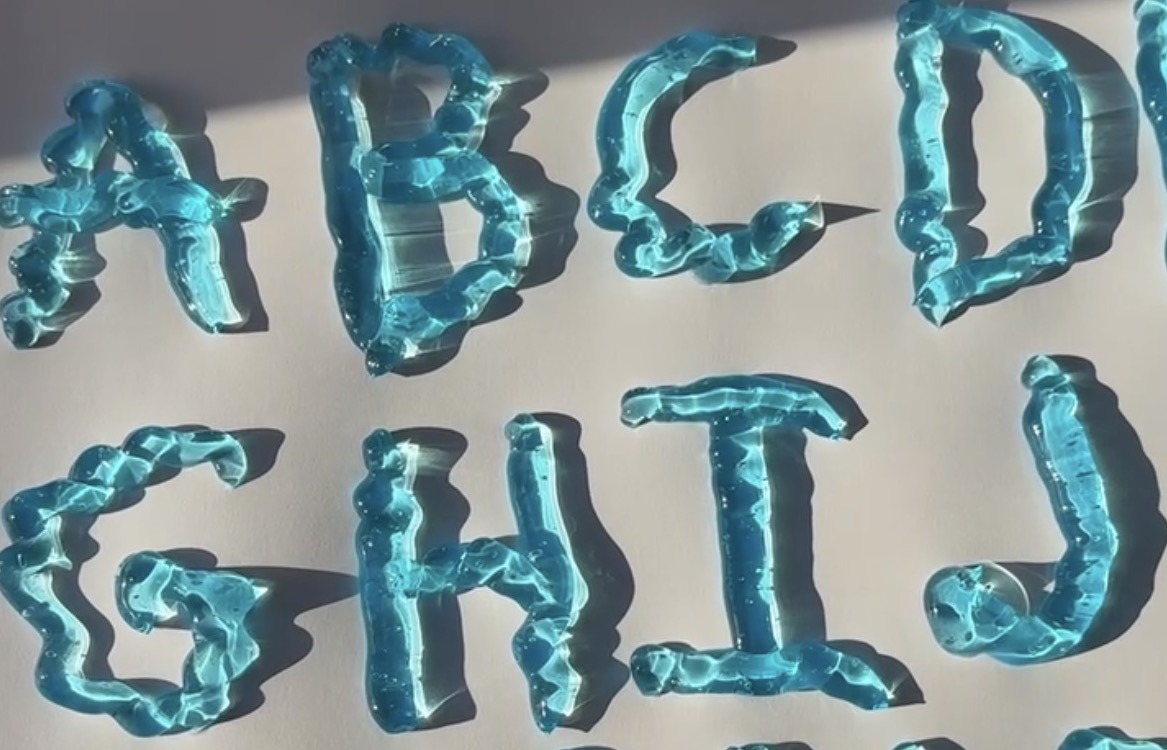
Valeria Kokur hand-makes fonts out of unconventional materials like olive oil and shaving cream, underscoring a growing industry focus on the physical essence of design. This development hints at a broader pattern where packaging is evolving beyond its traditional roles, becoming a direct conduit for brand values, sensory engagement, and even social commentary. Brands are increasingly leveraging packaging surfaces for nuanced communication and distinctive tactile experiences, recognizing their potential for deep consumer connection.
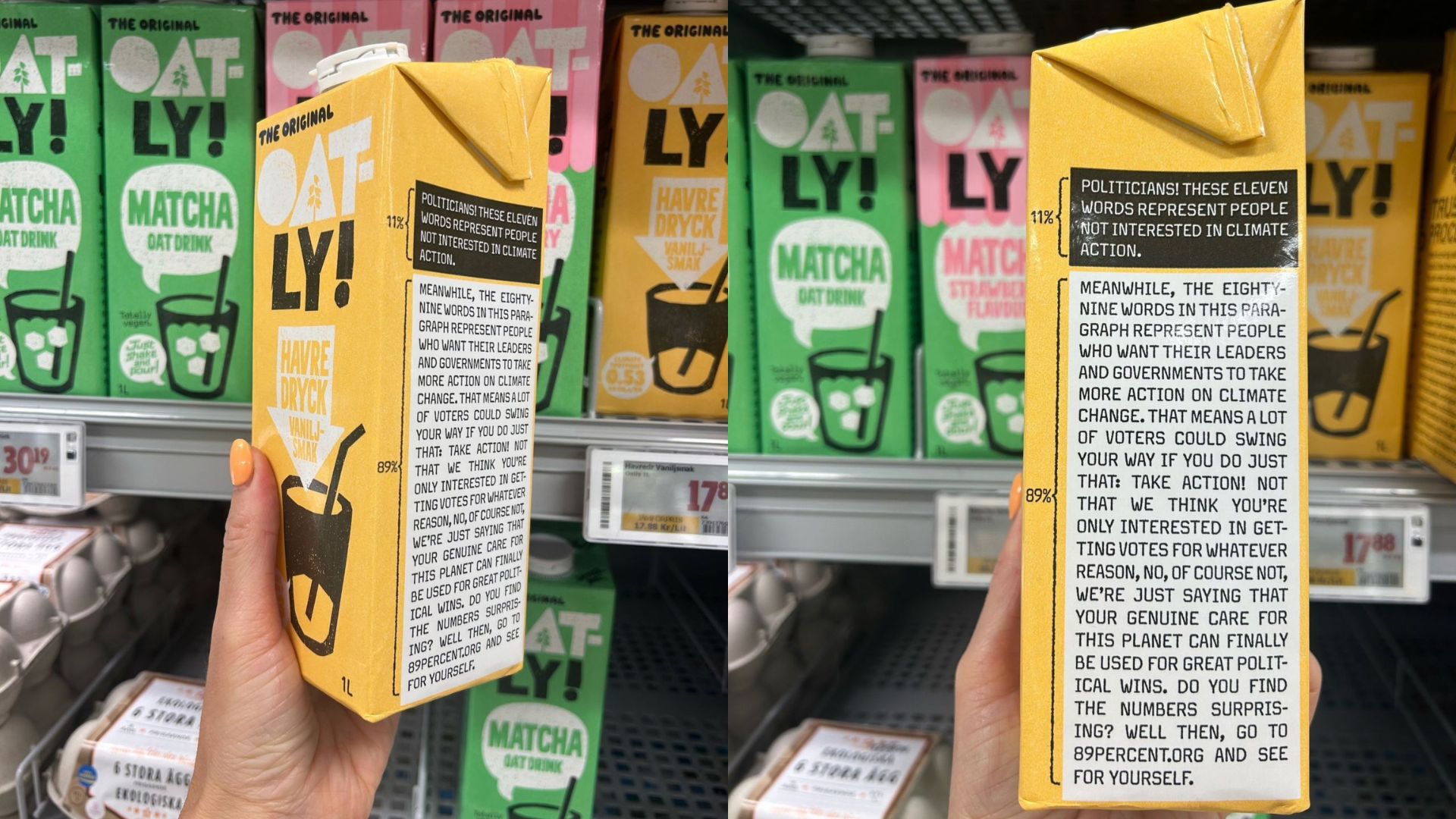
The practice of transforming mundane packaging into a platform for brand ethos is exemplified by Oatly, which dedicates a side panel of its cartons to The 89 Percent Project, advocating for stronger government action on climate change. Mainstream industry opinion often dictates that packaging space is precious, reserved solely for product benefits or branding that ensures broad appeal. This view posits that overt political or social messaging risks alienating portions of the consumer base. However, this perspective overlooks how such bold declarations, when authentically integrated, can forge stronger bonds with values-aligned consumers. It shifts the focus from maximizing market share to cultivating intensified loyalty within a targeted demographic. By mid-2027, brands that integrate their core values into packaging through non-traditional communication channels will see a measurable uplift in direct-to-consumer engagement metrics, proving that deep connection outweighs mere broad visibility.
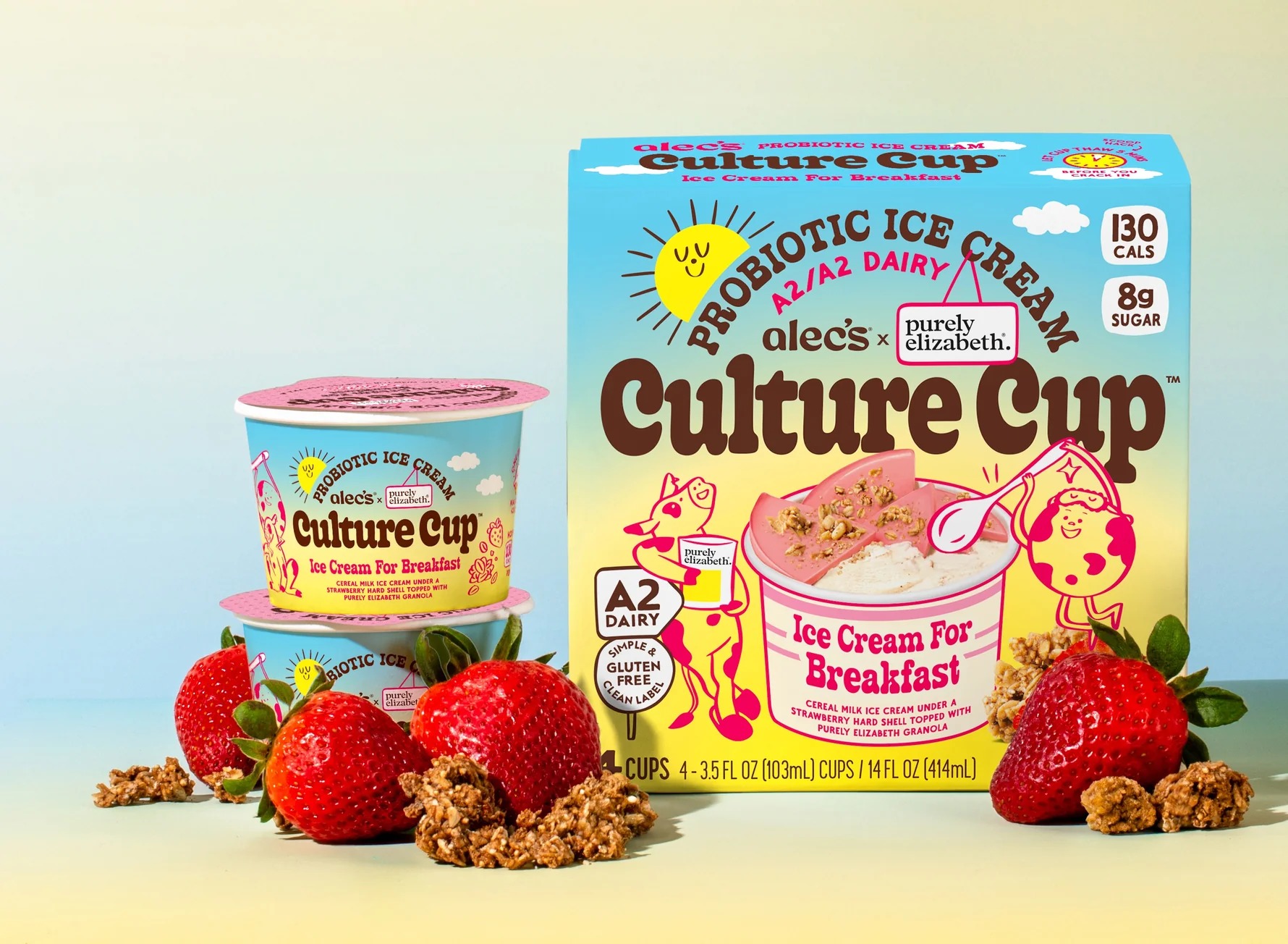
Similarly, the collaboration between Alec’s and Purely Elizabeth for “Ice Cream for Breakfast” cups challenges conventional notions of indulgence and health. This goes beyond ingredient lists; it involves framing a product to disrupt habitual perceptions, much like how tactile branding reshapes interaction. The common industry approach prioritizes visual aesthetics and efficiency in material use, often viewing tactile elements as a costly afterthought. This perspective fails to grasp that physical interaction, including the texture, weight, and opening mechanism of a package, deeply influences perceived quality and memory recall. The sensory feedback from handling a package can differentiate a product more profoundly than any graphic treatment, boosting shelf impact. Within the next 18 months, consumer demand will push for new sustainable material innovations that offer distinct, intentional tactile properties rather than merely mimicking conventional plastics, making the unboxing experience a core design challenge.
The primary opposing force to these innovations remains the entrenched conservatism within established supply chains and the prevailing risk-aversion in corporate procurement. These systems often prioritize cost efficiency, material standardization, and proven production methods over experimentation with novel textures or unconventional communication strategies. The structure of industry events, such as the DIELINE Awards, while celebrating innovation, also highlights a system that, through its fee schedules and submission processes, inadvertently reinforces established norms and resource allocation, rather than actively incentivizing truly disruptive, untested material or messaging applications for everyday products.
A packaging professional should, this week, identify one existing product and sketch out how a specific, sustainable material with a novel tactile finish could entirely replace its current packaging, focusing on how the new texture enhances the unboxing experience.
TL;DR
Packaging is becoming a direct sensory and ideological communication tool, moving beyond traditional visual marketing.
Curated References

About this editorial — This piece was developed using AI-assisted research and curation across multiple industry sources. All analysis, opinions, and predictions represent the editorial perspective of JHDD. Sources are linked in the references section above.