JHDD Packaging Report — 2026.09.11
Arlo’s mission to bring culinary argan oil to the American market, repositioning the product with premium pantry design conventions, exemplifies a growing focus on packaging as a primary differentiator.
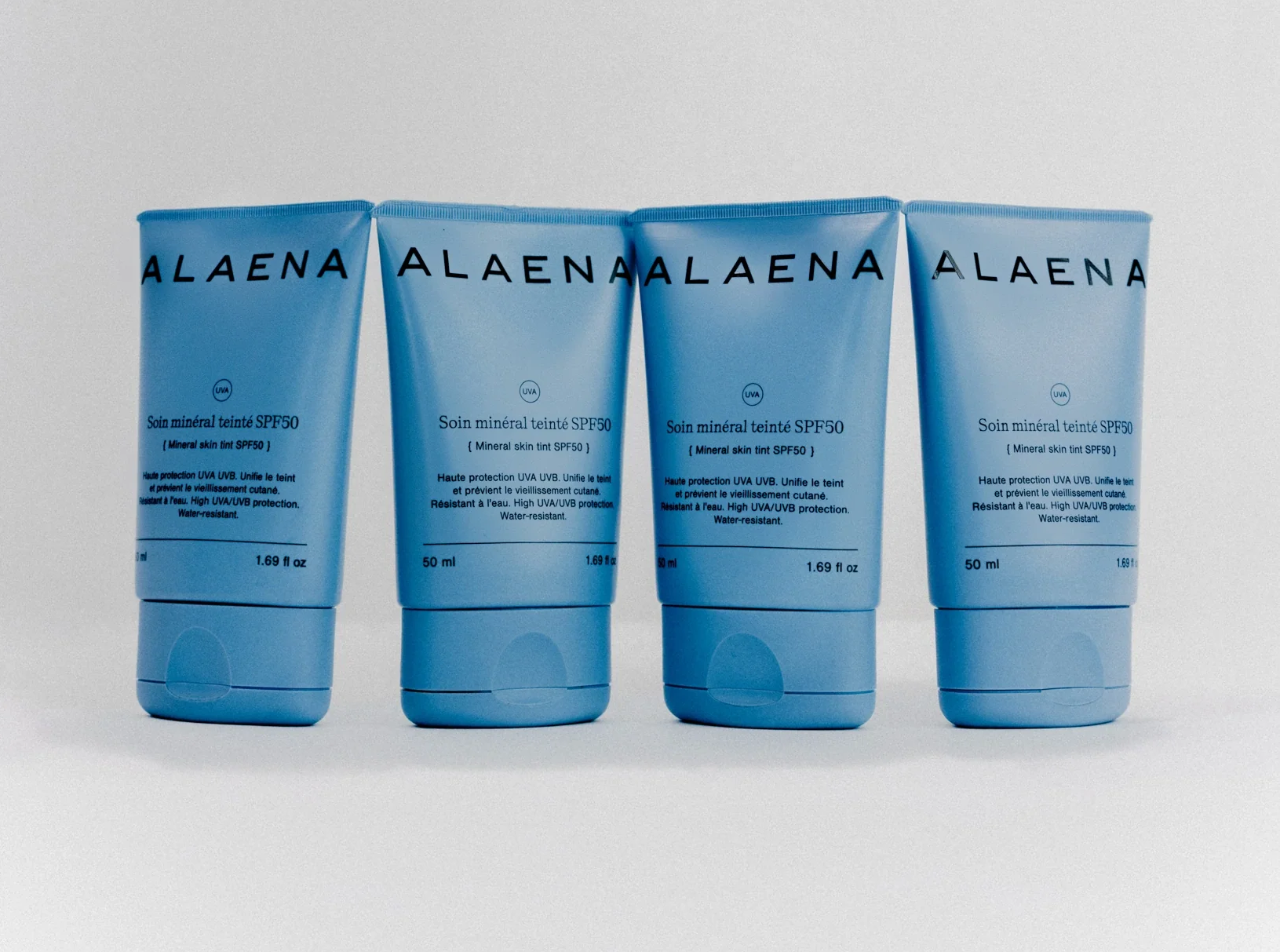
Across diverse consumer goods categories, packaging is evolving beyond its traditional roles of containment and protection. It is now central to crafting narratives and establishing brand value. This trend transcends mere material innovation or visual shelf impact, delving into the realm of tactile branding and the unboxing experience. Brands are recognizing packaging’s capacity to elevate the product experience significantly, whether through subtle, sophisticated tactile cues like Alaena’s frosted glass, overt storytelling as seen in Lara’s expressive cat illustrations, or by reimagining the packaging’s utility entirely after its initial function is served. This movement prioritizes emotional resonance, perceived exclusivity, and an extended interaction with the brand over simple functional efficiency.
The collaboration between Rachel Comey and Unreal, transforming UNREAL’s chocolate wrapper into a collectible fashion accessory, offers a stark illustration of this shift. This project moves beyond conventional notions of sustainable packaging, where industry discourse often remains fixated on virgin material reduction or post-consumer recycled content percentages. While those technical metrics are undeniably important for environmental impact, this approach demonstrates that brand-driven re-contextualization of existing materials can generate equally significant value and consumer engagement. The inherent “sustainability” here lies less in the wrapper’s raw composition and more in its elevated perceived status and prolonged usefulness as a desirable, fashion-forward object. This actively challenges the mainstream industry’s often exclusive emphasis on material composition as the sole measure of sustainable success, arguing that cultural and experiential longevity hold equivalent weight.
This strategy suggests a future where packaging’s lifecycle is intentionally extended and redefined by creative applications, rather than strictly by its compatibility with technical recycling infrastructure. It shifts the burden of “waste management” from the consumer or municipal services to the brand’s imaginative design ethos. This approach fosters a deeper connection and discourages immediate disposal. Packaging designs will increasingly be judged by their ability to inspire secondary uses or become objects of desire in their own right. By early 2028, more high-end fashion and lifestyle brands will consistently integrate their everyday packaging into limited-edition collaborations, explicitly blurring the lines between product and container to create valuable, post-purchase brand artifacts.
However, this forward-looking design philosophy faces considerable resistance from entrenched industry practices. The established economics of a linear packaging supply chain, which prioritizes the mass production of disposable, cost-optimized materials, directly clashes with bespoke, value-adding circular design. Furthermore, existing regulatory frameworks, often focused narrowly on single-material recyclability or compostability, frequently struggle to account for the nuanced environmental and cultural benefits derived from creative reuse and product re-contextualization. This creates a significant gap between innovative design aspirations and scalable industry adoption, hindering widespread implementation of truly circular packaging strategies.
To navigate this evolving landscape, working packaging professionals should implement “post-purchase ideation sessions” early in the design process. Instead of merely asking “how can this be recycled or composted?”, these sessions should explicitly explore questions like: “what else could this package be, or what specific story could it tell, after its primary contents are consumed?” This prompts design teams to consider the packaging’s entire potential lifespan and perceived value, not just its initial function and end-of-life disposal, fostering designs with inherent secondary value, emotional resonance, and a reduced likelihood of immediate discard.
TL;DR
Packaging must now tell a deeper story and offer value beyond its contents.
Curated References


About this editorial — This piece was developed using AI-assisted research and curation across multiple industry sources. All analysis, opinions, and predictions represent the editorial perspective of JHDD. Sources are linked in the references section above.