JHDD Branding Report — 2026.10.08
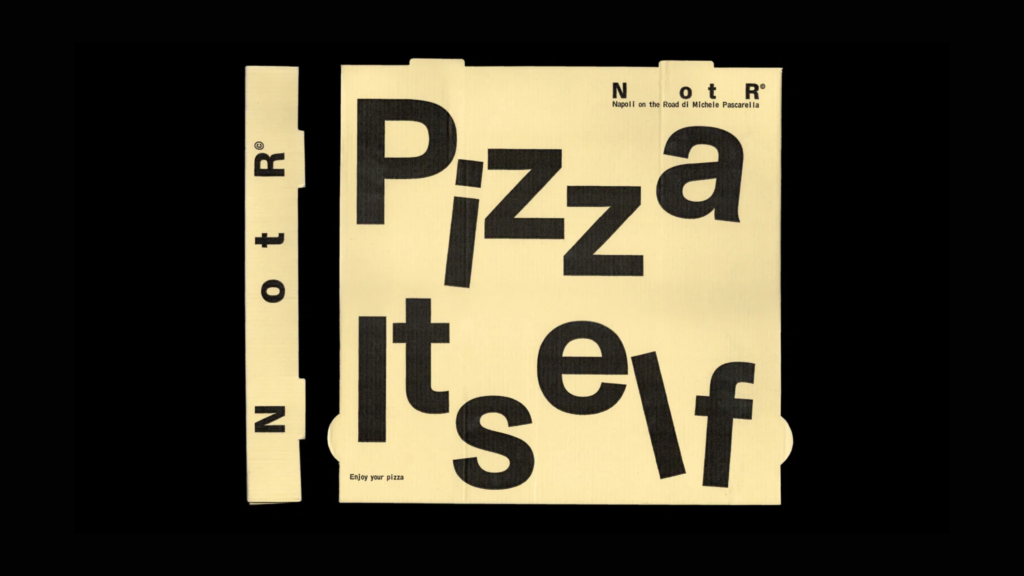
Vrints-Kolsteren’s identity for Napoli on the Road adds a tangible layer of mischief to minimalist design principles.
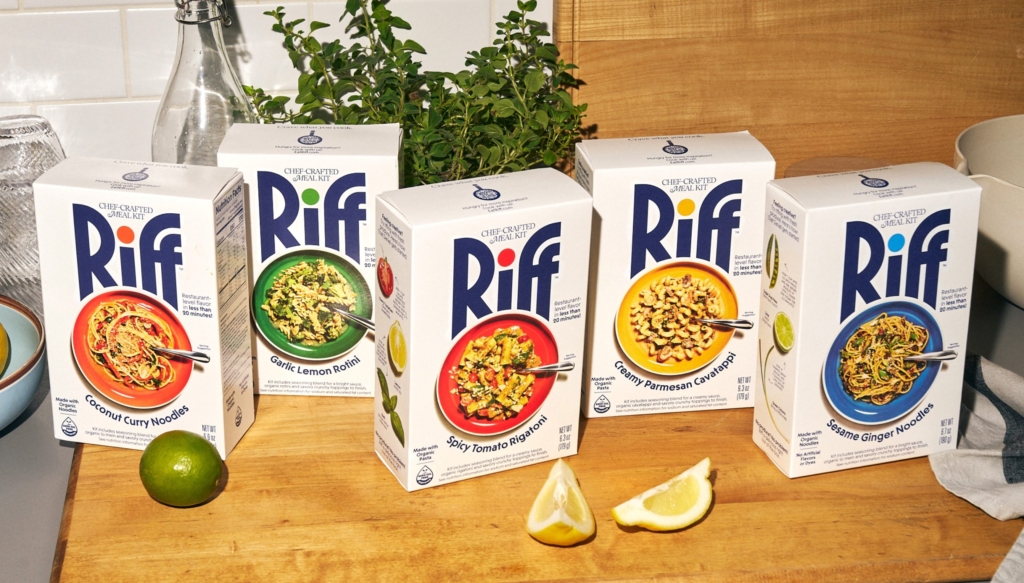
This detail, along with recent projects like Pentagram’s visual identity for Parla and Center’s branding for Riff, indicates a consistent pattern in brand strategy for consumer-facing services: a deliberate shift toward emotional specificity over abstract differentiation. Whether suggesting “therapy” for pizza or encouraging “playing with your food,” these brands are moving beyond functional positioning. Koto’s branding for the Franki app, emphasizing “lively, thoroughly human, and just the right amount of cute,” further illustrates this. The collective signal is that successful branding now cultivates a distinct emotional or experiential resonance, rather than solely relying on visual novelty or broad, generic appeal.
The branding for the Franki restaurant discovery app, developed by Koto, serves as a compelling case study for this strategic direction. Franki’s identity is characterized as “lively, thoroughly human, and just the right amount of cute.” This approach directly contradicts the conventional industry wisdom that sophisticated branding must avoid overt “cuteness” or obvious emotional cues, often favoring sleek, neutral, or abstract visual systems to achieve broader market appeal or perceived elegance. Koto’s strategy for Franki, however, leaned into a highly specific, warm, and approachable emotional register. This intentional specificity, far from limiting its audience, cultivates a distinct brand equity by providing a clear, relatable emotional anchor that users can easily recognize and connect with, rather than presenting a universally palatable but ultimately indistinct offering.
This embrace of direct emotional expression for brands will become a dominant force in shaping visual identity systems. The perceived value of these systems will increasingly hinge on their capacity to communicate precise emotional or experiential signals, rather than on their versatility or aesthetic neutrality across diverse applications. Brands will invest more heavily in visual languages that evoke specific cultural signals and feelings, even if these are considered “on the nose,” as seen with JKR’s rebrand for Tropical Smoothie Cafe. The outcome will be visual identities that are less about timelessness and more about immediate, resonant emotional engagement. Within two years, success metrics for brand identity projects will include specific emotional resonance scores derived from qualitative feedback, alongside traditional brand recognition and recall metrics.
This strategic pivot towards explicit emotional specificity faces considerable resistance from deeply entrenched corporate cultures and established legacy brands. These entities often prioritize broad demographic appeal and perceived ‘timelessness’ in their visual assets, fearing that strong emotional commitments might alienate segments of a mass market. This resistance is also visible in design consultancies that default to safer, more abstract solutions to achieve consensus among diverse stakeholders. Their internal processes and traditional briefing documents often emphasize universality and strategic flexibility over the deep, sometimes vulnerable, commitment to a specific emotional stance, thus stifling opportunities for distinctive brand equity.
A branding professional seeking to build enduring brand equity should fundamentally shift their strategic focus. Instead of solely benchmarking against competitors’ visual assets or relying on generic brand personality frameworks, they must meticulously map the specific emotional spectrum and cultural signals that already resonate deeply within their target audience’s broader lives. This involves moving beyond category-specific analysis to examine the feeling generated by beloved non-category brands, entertainment, or cultural movements their audience engages with. The subsequent task is to intentionally craft visual identities and all brand touchpoints to directly evoke and amplify these precise emotional states, even if it means embracing elements that might be conventionally deemed “on the nose,” “cute,” or “mischievous” by outdated design purist standards.
TL;DR
Brands are building equity through specific emotional signals, not abstract differentiation.
Curated References



About this editorial — This piece was developed using AI-assisted research and curation across multiple industry sources. All analysis, opinions, and predictions represent the editorial perspective of JHDD. Sources are linked in the references section above.