JHDD Architecture Report — 2026.10.06
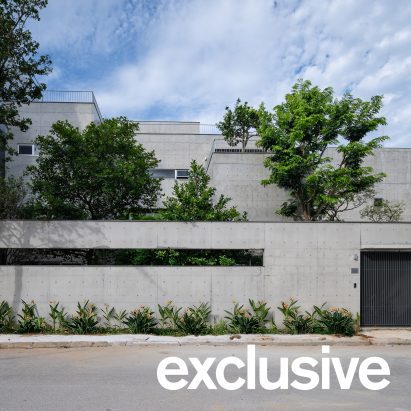
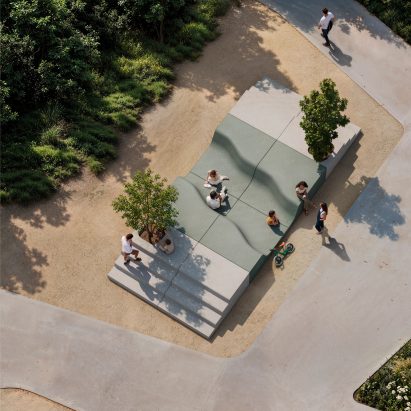
MVRDV’s Barcode collection deploys simple concrete modules for Barcelona street furniture. This approach, alongside the detailed integration of nature in HGAA’s House K and the shelving of Neom Stadium, indicates a re-evaluation of architectural ambition towards material groundedness and contextual responsibility. These examples suggest a move away from speculative grand gestures towards interventions that prioritize long-term utility, local integration, and adaptive capacity.
The Barcode collection embodies a structural philosophy rooted in enabling rather than dictating urban interaction. The concrete modules are not “smart” through embedded technology, but through their raw adaptability and robustness. They invite “unexpected ways” of occupation, fostering a dynamic urban context. This challenges the mainstream inclination to solve public space challenges with elaborate, often fragile, digital overlays or complex custom fabrications. Material innovation, in this instance, is about simplicity, durability, and a focus on fundamental human interaction, rather than novelty or high-tech finishes.
While many in the industry chase parametric complexity or novel composite materials for their perceived efficiency or aesthetic appeal, MVRDV’s Barcode demonstrates that sophisticated urban solutions can emerge from elementary forms and honest materials. The conventional wisdom often equates architectural value with bespoke complexity or a “wow” factor designed for immediate impact. However, true urban responsibility resides in designing for longevity, repairability, and user-driven adaptation. It is predicted that by mid-2028, public realm funding bodies in European cities will increasingly prioritize procurement of modular, durable, and user-configurable street elements over highly bespoke designs that limit user interaction or require specialized maintenance.
The resistance to this material and contextual pragmatism comes from the investment-driven, vision-led development sector. This sector often prioritizes spectacle and rapid return on capital, as exemplified by projects like the initially ambitious vision for Neom Stadium. This approach frequently overlooks the long-term environmental and social costs associated with large-scale, speculative development, focusing instead on immediate economic metrics and brand visibility.
An architecture professional should, for any new project, initiate a comparative analysis of at least three structural approaches: one conventional new build, one maximizing adaptive reuse of existing structures, and one exploring low-carbon, locally sourced, minimally processed materials. This analysis must include a detailed embodied carbon calculation and lifecycle cost assessment for each scenario, even if initial cost projections appear higher for the more sustainable options.
TL;DR
Architectural value is shifting from grand statements to contextually responsible, materially honest, and adaptable interventions.
Curated References

About this editorial — This piece was developed using AI-assisted research and curation across multiple industry sources. All analysis, opinions, and predictions represent the editorial perspective of JHDD. Sources are linked in the references section above.