JHDD Interior Report — 2026.10.05
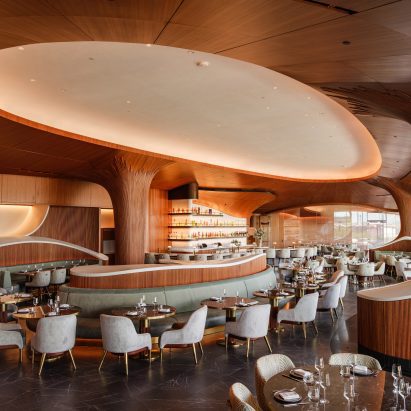
Rockwell Group’s design for the Skywalker Grill at the Lucas Museum eschews all 90-degree angles, creating a fluid dining experience.
These diverse projects reveal a converging design strategy: the deliberate reconstruction of archetypal or historically resonant spatial experiences through specific material applications and the manipulation of spatial tension. From the contained luxury of an ocean liner stateroom at the Kimpton Era hotel to the primal embrace of rough brick walls at Alchemy Saunas, each space evokes a specific, often historical or natural, sensibility not merely through aesthetic overlay, but through foundational design choices that govern human flow and tactile engagement. The design intent is to imbue spaces with a deep, embodied memory or a particular kinetic energy.
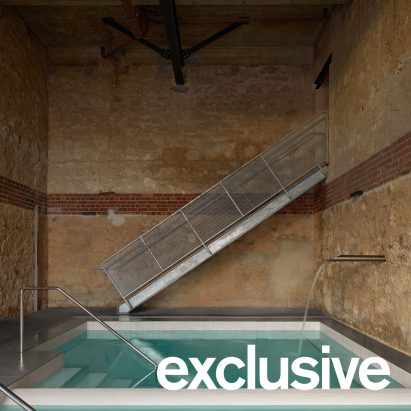
Rezen’s Alchemy Saunas in Australia stands as a prime example of this emerging spatial language. By transforming a former stable and cellar at the Royal George Hotel, the studio deployed arched openings and rough brick walls to evoke the feel of a Roman bathhouse. This is not simply a thematic nod; it is a profound exploration of materiality and tactile quality. The exposed brick, with its inherent imperfections and historical weight, creates a specific spatial tension, grounding the modern wellness function in a primal, enduring sense of ritual. This approach counters the prevailing industry inclination towards sleek, often sterile, wellness environments that prioritize visual minimalism over textural depth and historical resonance. Conventional wisdom suggests that luxury wellness demands polished surfaces and seamless integration of technology; Rezen demonstrates that a raw, direct engagement with materials can achieve a far richer and more compelling sense of luxury and authenticity. This deep material storytelling creates an intuitive human flow, guiding users through a sequence of sensations rather than merely rooms.
The choice of raw, unprocessed materials and historically informed architectural gestures suggests a wider re-evaluation of what constitutes a “finished” or “luxurious” interior. The surfaces are not merely backgrounds but active participants in the spatial narrative. This directness offers a counterpoint to the increasingly digital and abstracted experiences prevalent in contemporary life. By mid-2027, the industry will see a significant increase in bespoke material fabrication and an emphasis on visible patina and handcrafted imperfections within high-end commercial and residential projects, prioritizing genuine material narratives over synthetic perfection.
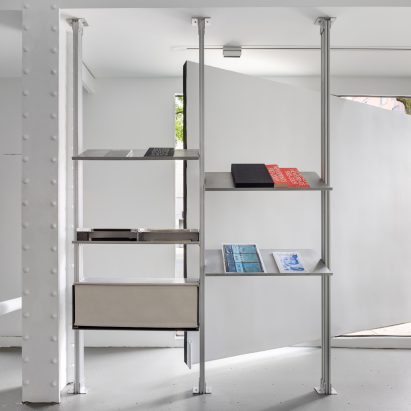
This push towards authentic, tactile narratives faces resistance from the pervasive drive for cost-efficient, mass-produced finishes and the demand for easily replicable, universally appealing aesthetics. Developers and clients often gravitate towards standardized material palettes and streamlined construction processes that prioritize speed and budget over the nuanced, time-intensive craft required to achieve true material depth and spatial character. The “plug-and-play” model of interior design, aiming for swift turnover and broad marketability, fundamentally opposes the slow, deliberate shaping of space and surface demonstrated by projects like Alchemy Saunas or the modular flexibility introduced by GRT Architects at Storefront for Art and Architecture.
Interior professionals should integrate regular site visits to material producers, salvage yards, and artisan workshops into their project development process. This allows for direct engagement with the raw properties and potential of local or historically resonant materials, fostering a deeper understanding of their tactile qualities and how they can be authentically incorporated to create distinct spatial tension and human flow, rather than relying solely on pre-selected samples or digital renderings.
TL;DR
Contemporary luxury design redefines spatial experience through archetypal forms, primal materials, and tactile richness.
Curated References

About this editorial — This piece was developed using AI-assisted research and curation across multiple industry sources. All analysis, opinions, and predictions represent the editorial perspective of JHDD. Sources are linked in the references section above.