JHDD Packaging Report — 2026.10.05
MATCHALITA’s packaging, designed by ImaginaryFriend, deliberately repositions ceremonial matcha within a nightlife context, using electric colors and waveform graphics.
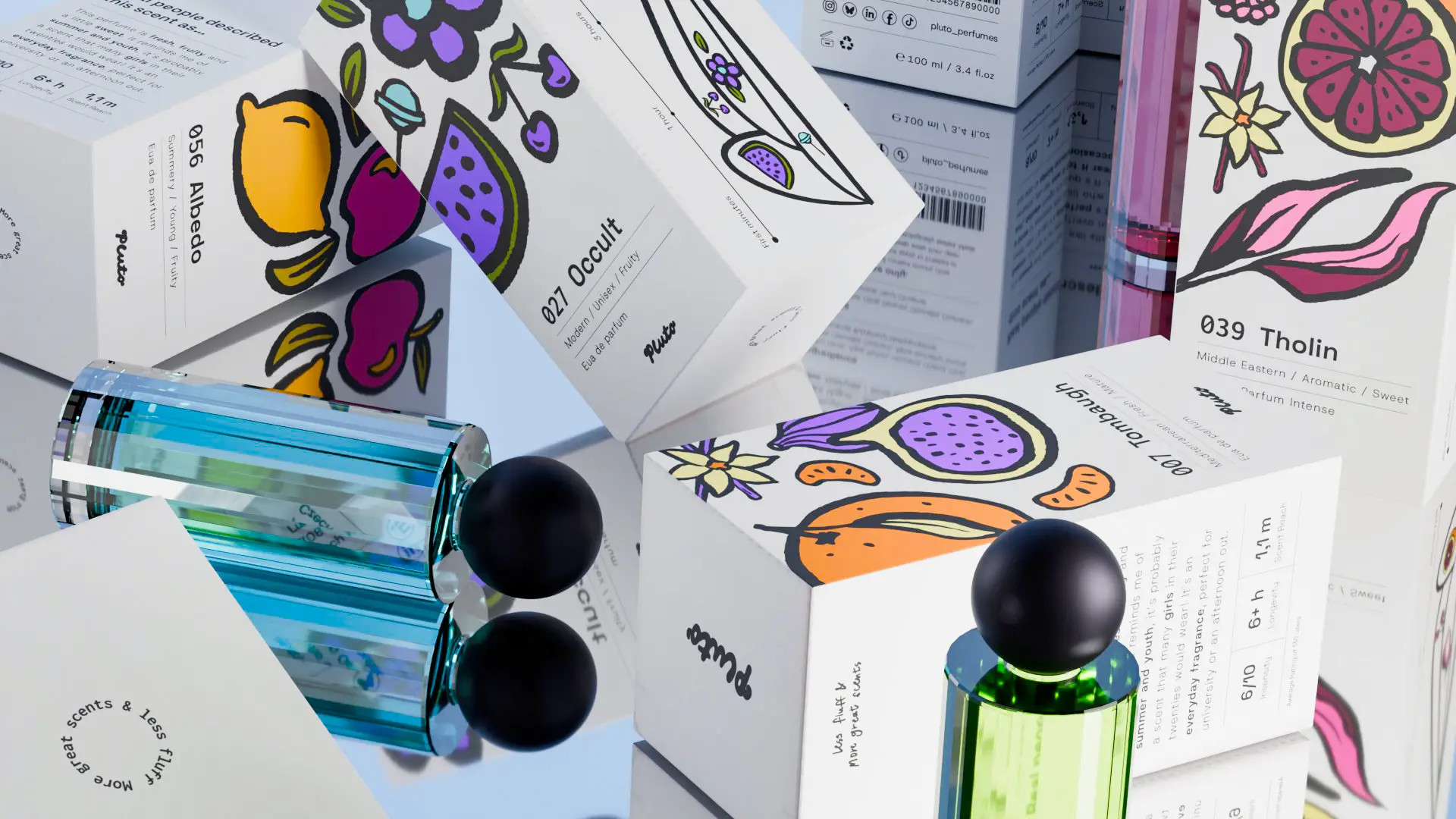
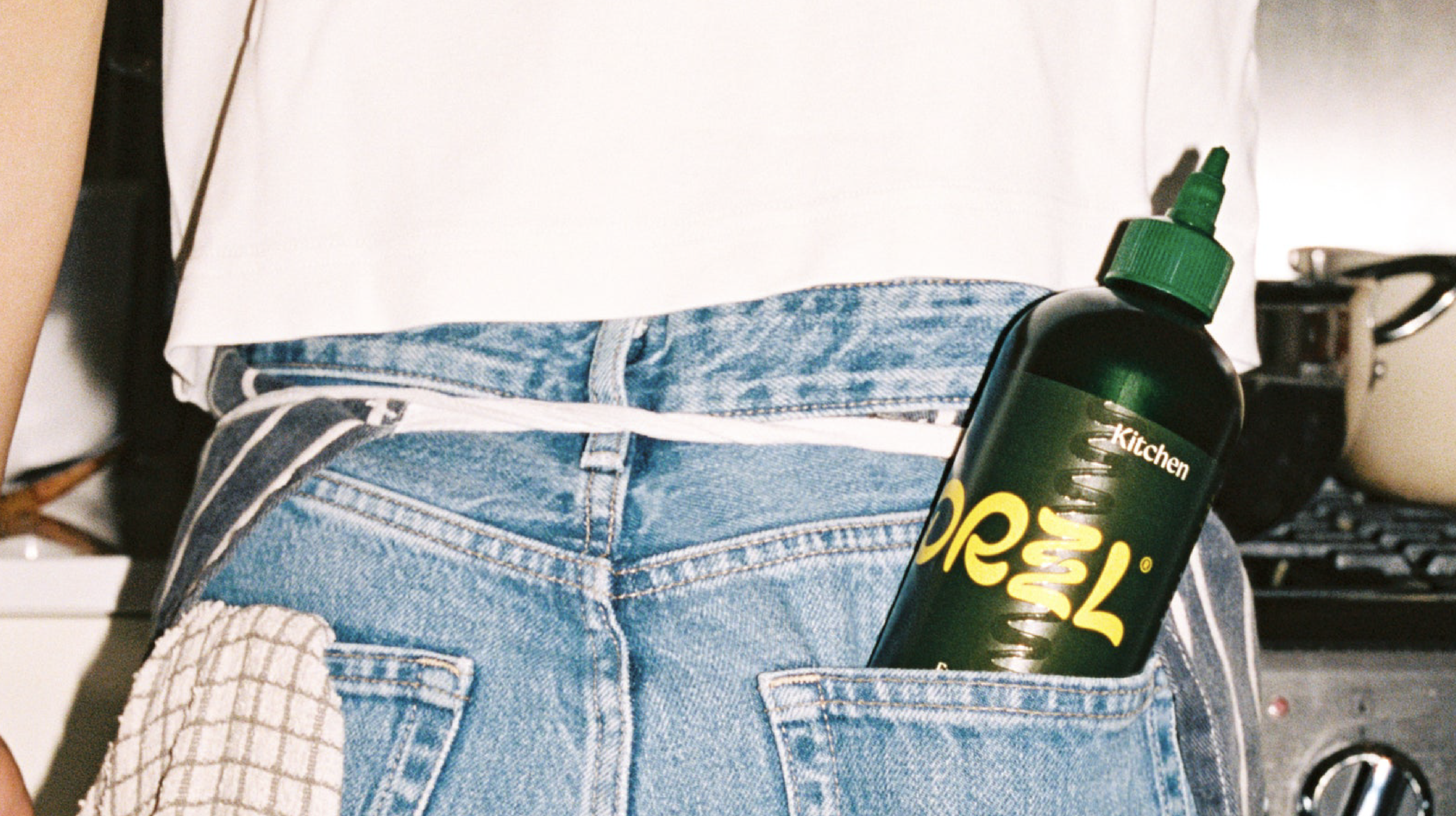
These recent projects reveal a collective shift in packaging strategy: moving beyond mere product containment or straightforward visual appeal to actively construct and communicate rich brand narratives. Whether through the playful graphics of Nonna’s and Lucali’s Hot EVOO or the descriptive illustrations for Kateřina Milatová’s Pluto, packaging is becoming a primary vehicle for storytelling, establishing an immediate and immersive brand identity rather than simply displaying attributes.
The approach taken by ImaginaryFriend for MATCHALITA illustrates a potent, yet often overlooked, dimension of sustainable packaging. Conventional wisdom frequently equates sustainable design with minimalist aesthetics, raw material transparency, or overt eco-labeling. However, this perspective misses how deeply resonant packaging, like MATCHALITA’s blend of Japanese tradition with energetic, modern graphics, fosters a powerful emotional connection. This connection is fundamental to true sustainability; a product that feels culturally relevant and exciting is more likely to be cherished, its packaging potentially repurposed, or at the very least, consciously handled through its lifecycle. The visual tactility suggested by the waveform graphics, implying sound and movement, contributes to an unboxing experience that goes beyond opening a box; it is an entry point into a specific cultural world.
This narrative-centric design, deeply embedded in the consumer’s experience from shelf to disposal, directly impacts product longevity and brand loyalty. It suggests that the future of sustainable packaging is not solely about biodegradable materials, as seen with Eye Coffee’s compostable pour-over, but equally about designing for emotional endurance. By mid-2027, design agencies specializing in packaging will increasingly incorporate cultural anthropologists and experiential narrative designers into their core teams, moving beyond traditional graphic and structural roles to craft packaging that evokes profound emotional and tactile responses, making the disposal decision a more deliberate act.
The most significant resistance to this evolution comes from established retail paradigms and large-scale manufacturing processes, which often prioritize cost-efficiency and standardized visual recognition over nuanced storytelling. Brands entrenched in traditional market segments, fearing alienating existing customer bases, also resist radical shifts in aesthetic or communicative strategies. This conservative stance often leads to packaging that is visually safe but narratively inert, failing to cultivate the deep engagement that drives sustainable consumer behavior.
A working packaging professional should immediately review their next project brief to include a specific directive: “Design for Narrative Immersion.” This means detailing how the packaging will tell a cohesive story, from its visual cues to its tactile properties, explicitly outlining the emotional journey desired for the consumer. Identify at least two distinct moments in the unboxing experience where the packaging’s texture, weight, or opening mechanism can tangibly reinforce the brand’s core message.
TL;DR
Packaging design now relies on distinct narrative and tactile cues to foster deep emotional connections with consumers, extending engagement beyond mere product consumption.
Curated References



About this editorial — This piece was developed using AI-assisted research and curation across multiple industry sources. All analysis, opinions, and predictions represent the editorial perspective of JHDD. Sources are linked in the references section above.