JHDD Packaging Report — 2026.09.03
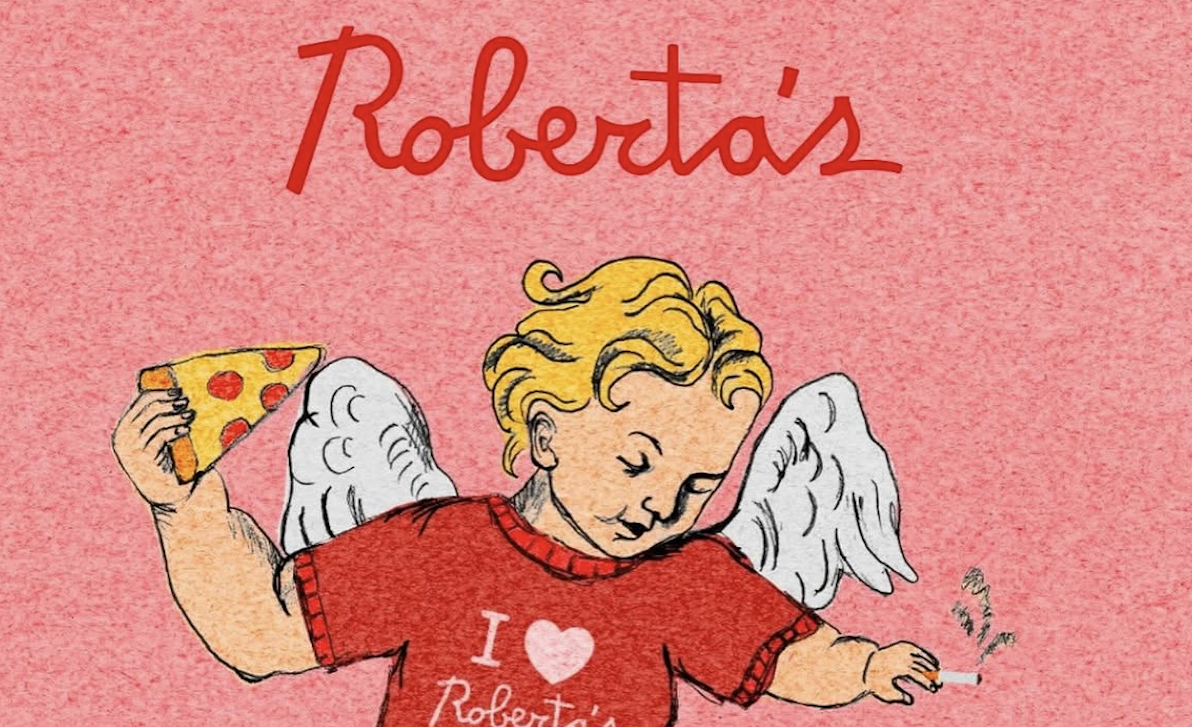
Roberta’s Pizza co-founder Brandon Hoy, alongside designer Drew Price, actively cultivated a “type collision” to anchor their brand identity, moving beyond simple legibility.
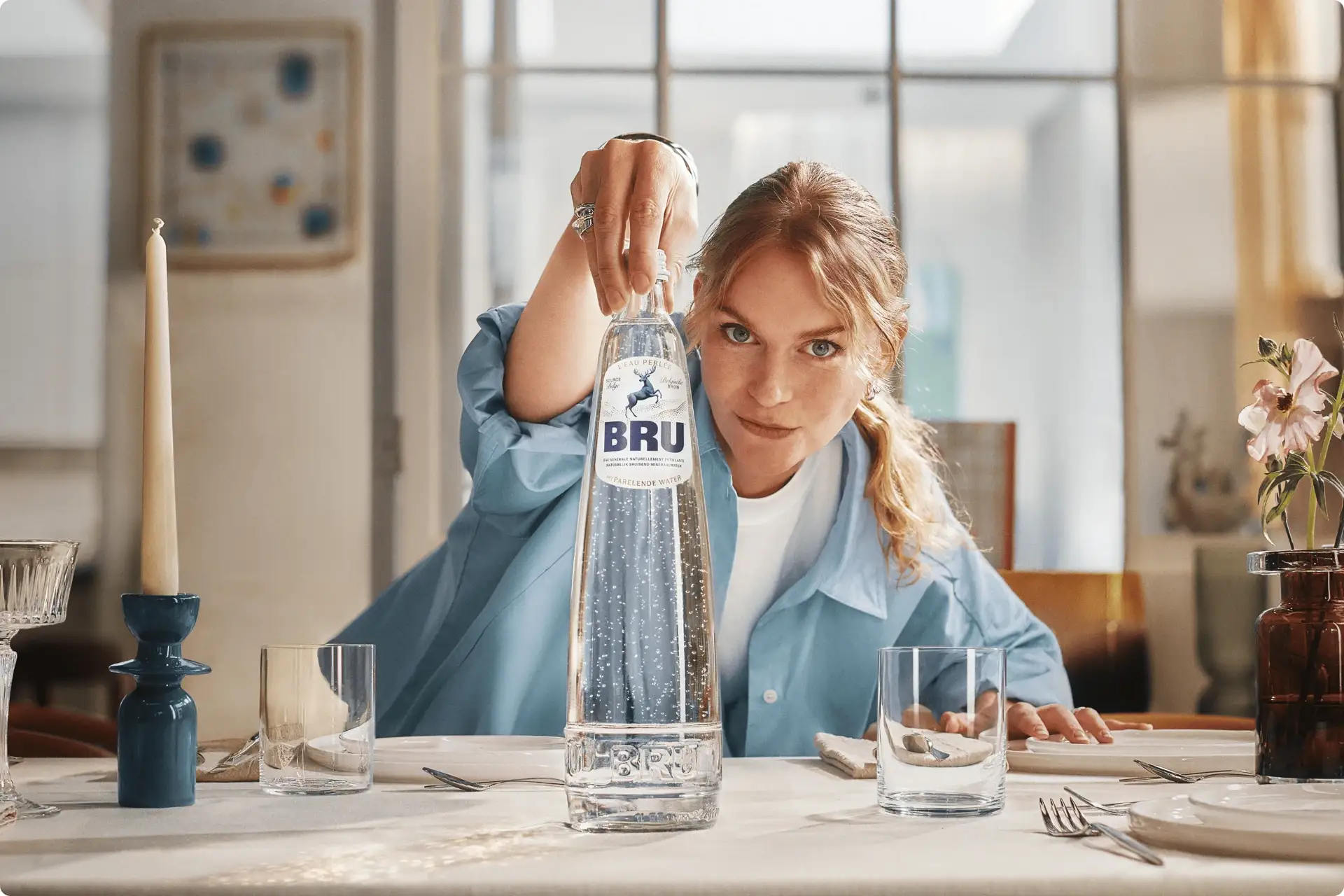
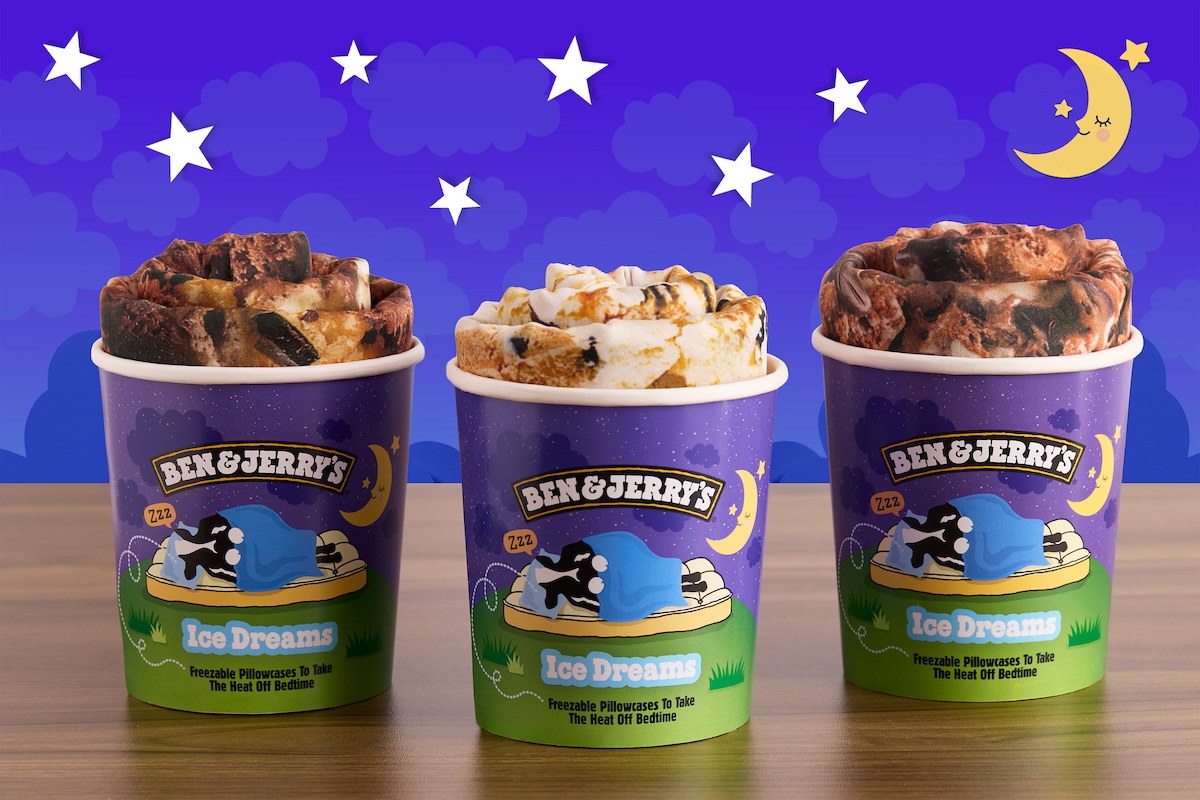
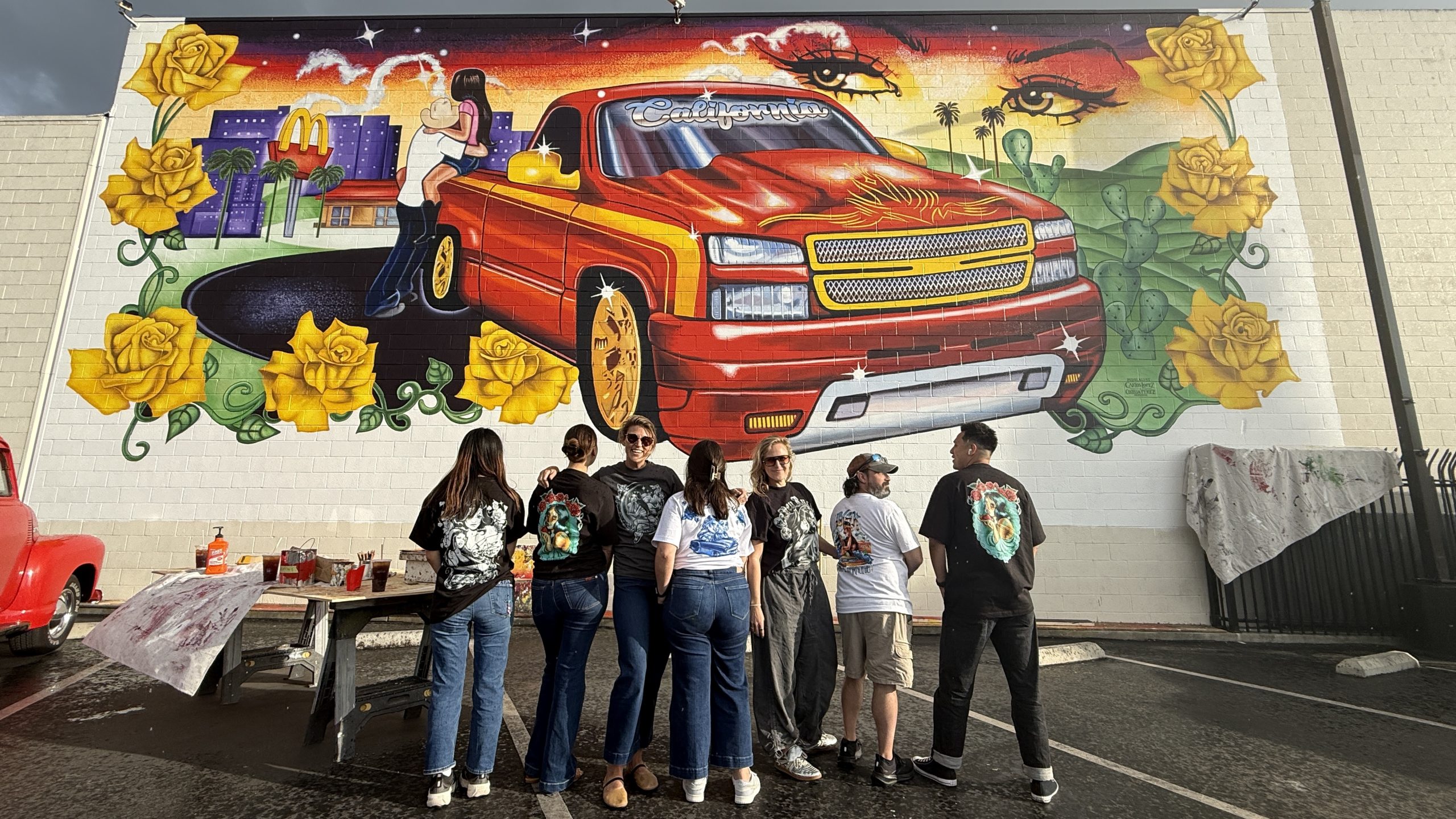
This strategic embrace of deliberate complexity, whether through typographic juxtaposition for Roberta’s, the “table ready identity” from WeWantMore for BRU, or Cecelia Perez’s localized artistry for McDonald’s, signals a packaging landscape valuing depth over immediate, superficial recognition. Brands are increasingly investing in nuanced design elements that reward closer inspection, fostering a richer unboxing experience and elevating shelf impact beyond primary colors and bold logos. This pursuit extends to unconventional product expressions, exemplified by Ben & Jerry’s transforming ice cream tub aesthetics into freezer-safe pillowcase packaging, showing how brand essence can translate across unexpected mediums.
The mainstream packaging industry often prioritizes instant legibility and universal appeal, assuming consumers make rapid, unconscious choices. Roberta’s Pizza, however, challenges this by consciously opting for “controlled chaos” in its typography. This isn’t a failure of design but a deliberate strategy to create a unique visual texture. It requires the consumer to pause, engage, and decode, thereby elevating the unboxing from a passive act to an interactive discovery. This approach, while seemingly counterintuitive to rapid purchasing cycles, suggests that rewarding sustained attention builds stronger brand loyalty than fleeting recognition. It treats the visual as a tactile experience, where the eye “feels” the friction of colliding typefaces.
This focus on intricate brand texture extends to material choices and sustainable design. While material reduction remains crucial, the emphasis will shift towards how sustainable materials contribute to this curated experiential depth. For instance, a recycled pulp tray could be engineered with a specific fibrous feel that complements a brand’s narrative of authenticity or naturalness, rather than simply being a substitute. This deliberate integration of material tactility into the overall brand narrative will become a key differentiator. By late 2027, brands will routinely disclose not just the recycled content of their packaging, but also specific sensory qualities designed to enhance the consumer’s emotional connection, treating sustainability as a premium design attribute, not just an environmental mandate.
This drive for intricate, experience-driven packaging faces a substantial countercurrent from intellectual property disputes. The ongoing federal lawsuit between J.M. Smucker’s and Trader Joe’s regarding the “squircle” sandwich shape exemplifies this resistance. As designers create increasingly unique forms, visual textures, and structural nuances to differentiate, these elements become vulnerable to litigation if they are not clearly defensible as proprietary. This legal pressure incentivizes designs that are easily definable and protectable under trademark law, potentially stifling the very kind of subtle, layered creativity that brands like Roberta’s are pursuing. The tension lies between striving for distinctiveness and navigating the legal landscape of what constitutes protectable IP.
Packaging professionals must integrate sensory design workshops into their early development phases, exploring how specific material finishes, structural forms, and graphic elements contribute to a desired emotional and tactile experience before mass production. This involves actively prototyping and testing subtle variations in texture, weight, and auditory cues during opening, rather than treating these as secondary considerations. Simultaneously, early engagement with legal counsel is crucial to understand the nuances of IP protection for these specific sensory details, ensuring that the innovation is not only experiential but also legally defensible.
TL;DR
Brands are deepening consumer engagement through sophisticated, textured design and unique material interactions, a trend challenged by growing IP litigation.
Curated References
About this editorial — This piece was developed using AI-assisted research and curation across multiple industry sources. All analysis, opinions, and predictions represent the editorial perspective of JHDD. Sources are linked in the references section above.