JHDD Branding Report — 2026.09.03
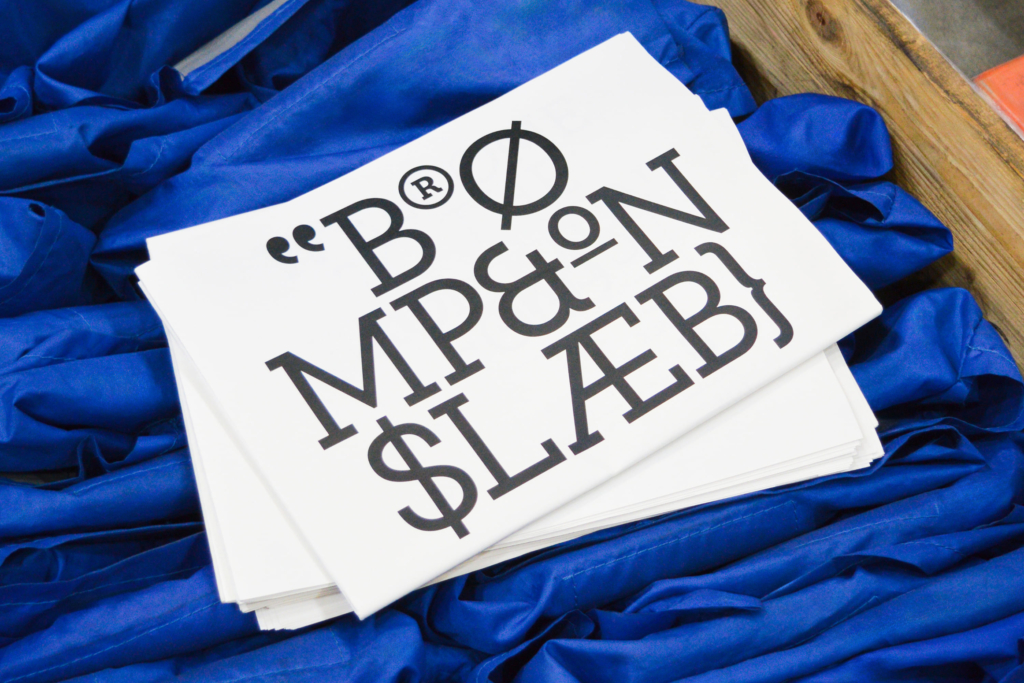
Studio Blackburn’s new identity for Brompton deliberately cements the folding bike brand’s British engineering heritage. This approach, focused on clear historical anchoring, stands in sharp contrast to other brands navigating the complexities of contemporary cultural signaling. Many entities are currently grappling with how to define their essence: whether through a singular, immutable origin story or through dynamic, adaptable expressions that reflect a broader, more distributed reality. The tension between fixed identity and fluid presence defines a significant challenge for brand equity development today.
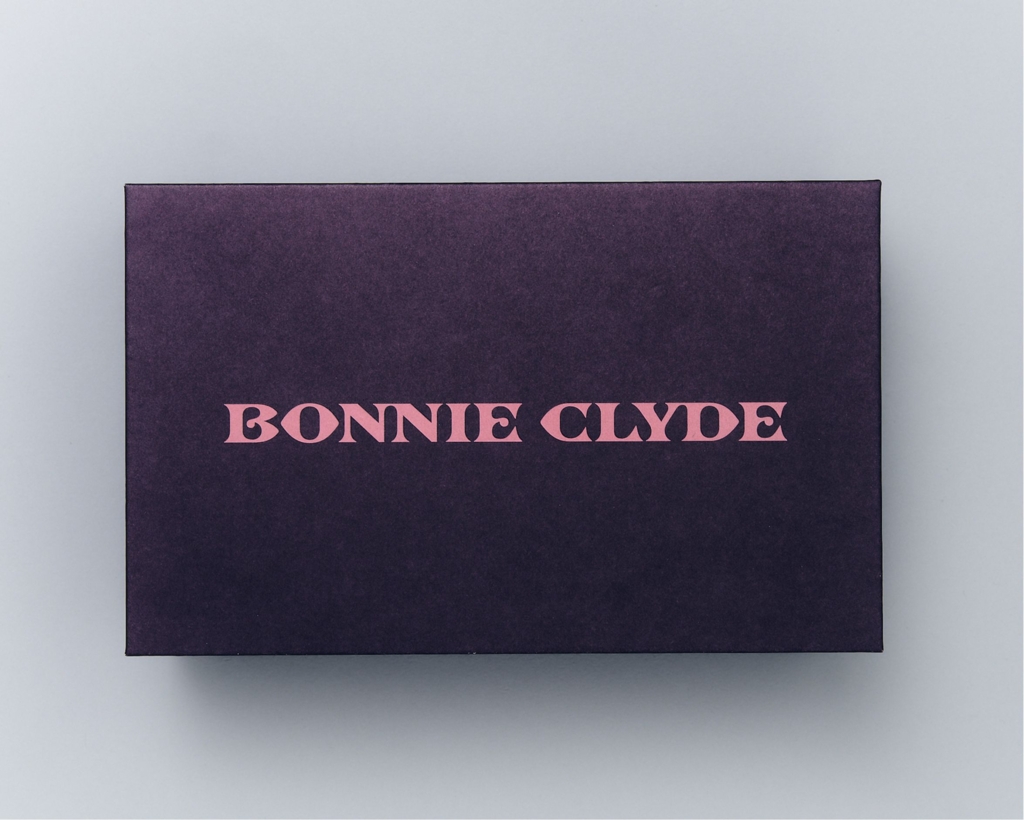
Mouthwash Studio’s identity for eyewear brand Bonnie Clyde provides a specific illustration of this fluidity. The identity is described as shifting between an “antiquey” aesthetic and one aligned with a “Trewley Precious lash brand partnership,” featuring hearts and dusky pink. Conventional industry opinion dictates that such an identity, characterized by its “confusing” and “historically inaccurate” elements, would dilute brand equity through inconsistency. This perspective is rooted in a desire for instant recognition and clear market positioning, assuming that any deviation from a singular message weakens the brand’s presence. However, this view overlooks a critical development in how sophisticated audiences engage with brands today. Strategic ambiguity, far from being a weakness, can foster deeper brand connection by inviting interpretation and participation, rather than prescribing a singular meaning. It acknowledges that consumers themselves often navigate multiple, sometimes contradictory, cultural reference points simultaneously.
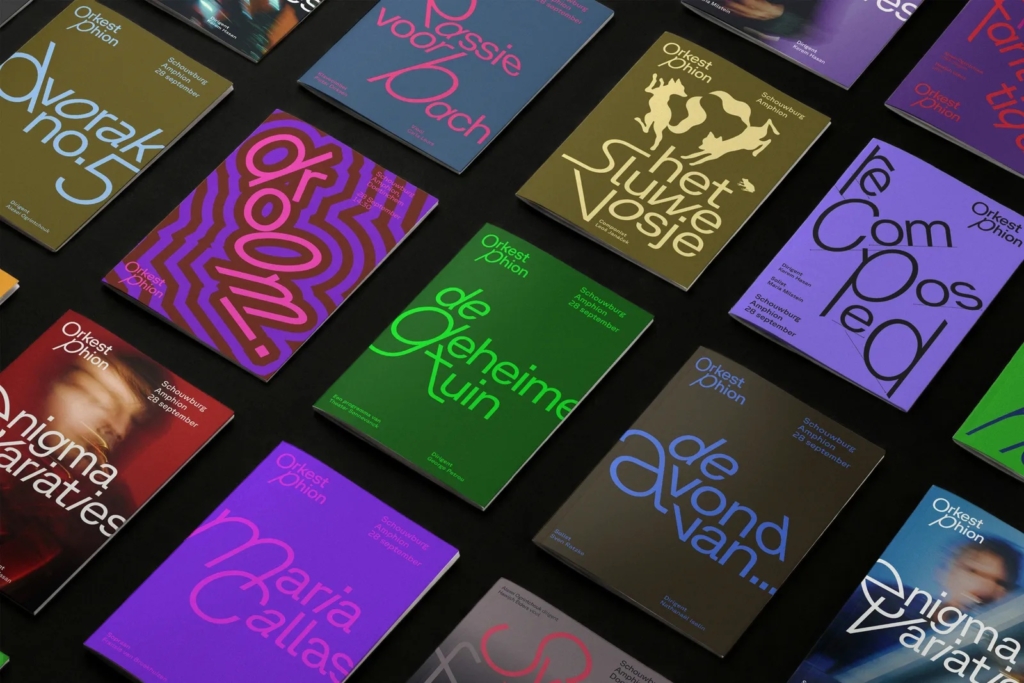
This deliberate polyphony in visual identity systems builds a different kind of equity: one rooted in relevance and intellectual curiosity rather than simple recognition. Such approaches allow a brand to occupy varied cultural spaces without being perceived as inauthentic or fractured. Instead, the brand maintains its core identity while expressing it through a spectrum of visual languages that resonate with distinct subcultures or moods. Rather than diluting a brand, this approach can strengthen its cultural resonance and market positioning by appealing to diverse facets of consumer identity, moving beyond the limitations of monolithic brand narratives. Brands that successfully manage this calculated complexity will, by mid-2027, distinguish themselves by cultivating more engaged communities around shared exploration and nuanced understanding.
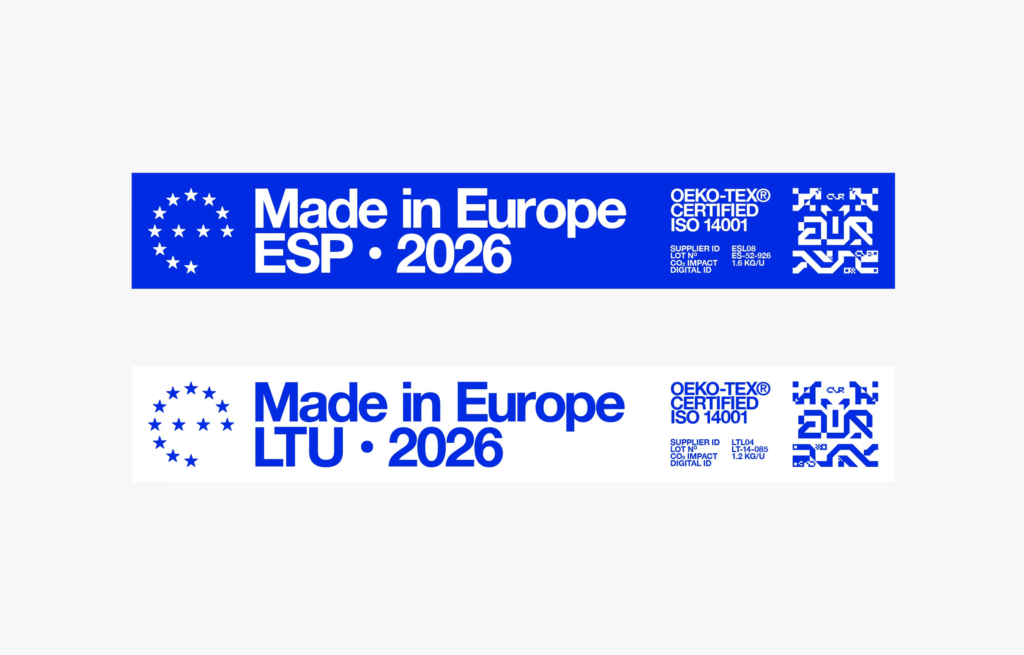
The primary resistance to this adaptive approach comes from established frameworks of brand governance and compliance, particularly within larger organizations or for national-level branding initiatives. The aspiration for a singular “Made in Europe” designation, for instance, highlights a prevailing desire for clear, unambiguous origin markers that simplify market messaging and ensure consistent quality perception. Traditional brand guidelines, often meticulously designed for uniformity and control, struggle to accommodate or even recognize the intrinsic value in intentionally varied or contradictory visual expressions. Legal teams and corporate communication departments frequently prioritize absolute consistency above all else, viewing any deviation as a potential risk to legal protection, intellectual property, or message integrity, thus stifling creative exploration of identity fluidity in favor of rigid adherence.
Branding professionals should audit their current brand guidelines, not just for adherence metrics, but to identify areas where strategic variation could introduce valuable cultural signals. They should develop and pilot “fluidity protocols” within their visual identity systems, allowing for controlled, context-specific adaptations rather than a blanket enforcement of uniformity. This involves articulating when and why an identity might shift, providing parameters for divergence rather than just strict adherence.
TL;DR
Brand equity is increasingly built through strategic identity fluidity and calculated ambiguity rather than strict uniformity.
Curated References

About this editorial — This piece was developed using AI-assisted research and curation across multiple industry sources. All analysis, opinions, and predictions represent the editorial perspective of JHDD. Sources are linked in the references section above.