JHDD 3D Modeling Report — 2026.07.17
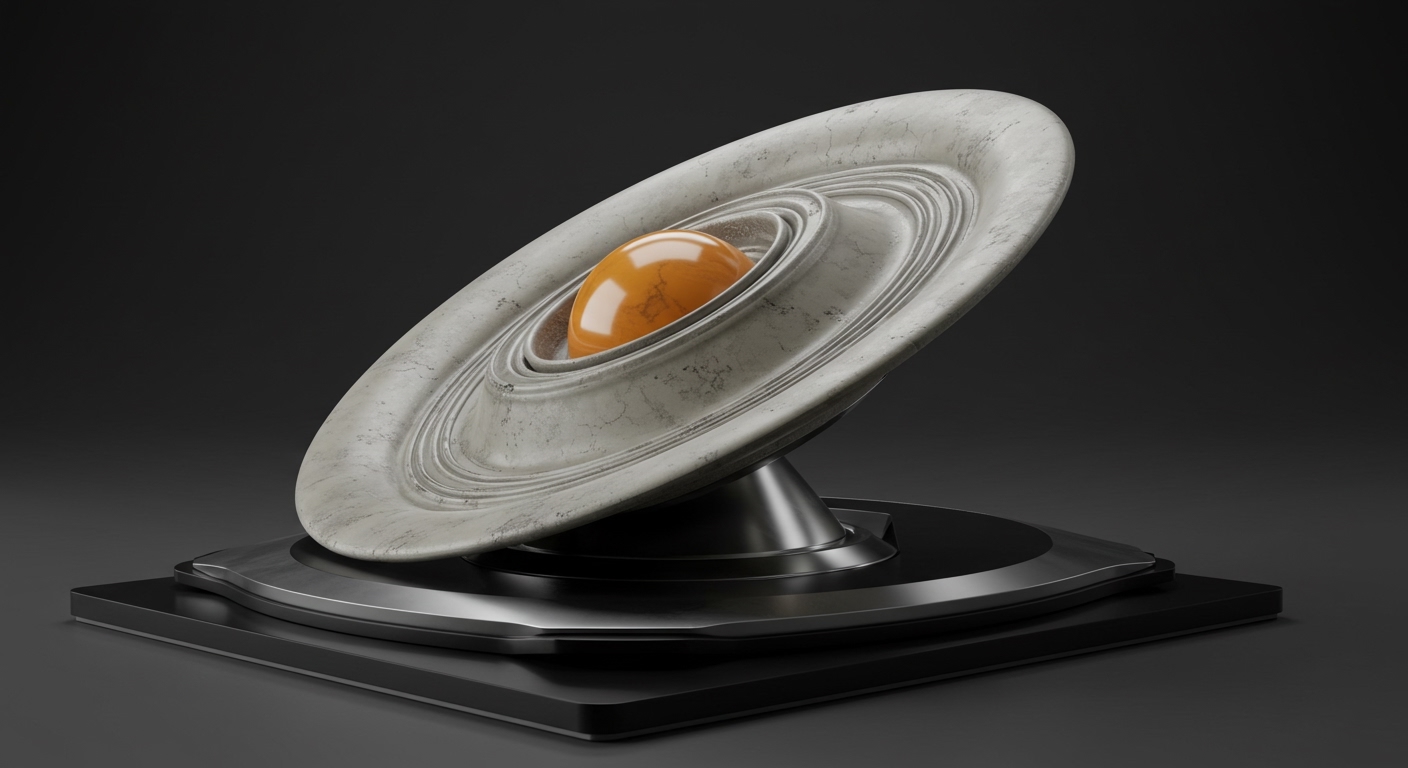
Hurricane, the new multi-solver physics engine for Blender, allows complex material interactions within a single simulation.
The integration of advanced physics engines with accessible tools, alongside deliberate aesthetic counter-trends, points to an expanding definition of digital fidelity. While Hurricane pushes the boundaries of hyper-realistic procedural generation for fluid, cloth, soft body, and granular materials, parallel efforts like Joan Pous’s painterly animation demonstrate a conscious move towards stylized virtual spaces. This confluence signifies that cutting-edge 3D is less about a singular pursuit of photorealism and more about precise control over diverse visual outcomes, from physically accurate simulations to expressive digital canvases.
Mainstream industry opinion frequently positions technological advancement as synonymous with achieving ever-greater photorealistic fidelity. However, Joan Pous’s cinematic 3D animation, which utilized rendering experimentation to achieve a hand-painted style, directly contradicts this narrow perspective. This approach demonstrates that sophisticated rendering and lighting dynamics are not solely for masking digital origins to achieve realism, but are increasingly deployed to foreground distinct artistic intent. The preoccupation with perfect physical mimicry often overlooks the capacity of advanced digital tools to create entirely new visual languages and evoke specific moods, rather than merely replicating the tangible world.
This counter-movement suggests a significant bifurcation in 3D production pipelines. While engines like Hurricane will continue to refine hyper-realistic procedural generation for scientific simulation and direct physical replication, a substantial segment of the industry will pivot towards aesthetically driven virtual spaces where rendering and lighting dynamics prioritize stylistic coherence over raw fidelity. By mid-2027, the perceived “quality” of a virtual environment or animation will increasingly hinge on its success in articulating a specific artistic vision, irrespective of its photorealism quotient. Projects such as the Blender-made fan advertisement for the Switch will more frequently explore varied stylistic approaches rather than a singular pursuit of photo-matching.
The primary opposing force to this stylistic diversification is the entrenched economic model of hyper-realistic asset creation, particularly prevalent in large-scale AAA game development and high-fidelity product visualization. This model, often driven by consumer expectations for visual indistinguishability from reality, creates substantial inertia against significant stylistic divergence. Existing development pipelines and established studio workflows are heavily optimized for photorealism, making a shift to highly stylized procedural generation or bespoke rendering techniques a considerable financial and operational challenge for many industry incumbents.
A 3D Modeling professional should immediately begin integrating non-photorealistic rendering (NPR) techniques into their personal projects or professional explorations. This involves dedicating time to learning shader graph development within their preferred DCC application to create custom materials and lighting setups that manipulate light and texture for stylized outcomes, extending beyond standard physically based rendering (PBR) workflows. Experimentation with methods that emulate traditional media, similar to Joan Pous’s approach, will be essential for staying relevant.
TL;DR
The evolution of 3D tools supports both hyper-realistic simulation and deliberate stylistic divergence, redefining industry standards for virtual presence.
Curated References
About this editorial — This piece was developed using AI-assisted research and curation across multiple industry sources. All analysis, opinions, and predictions represent the editorial perspective of JHDD. Sources are linked in the references section above.