JHDD Interior Report — 2026.07.17
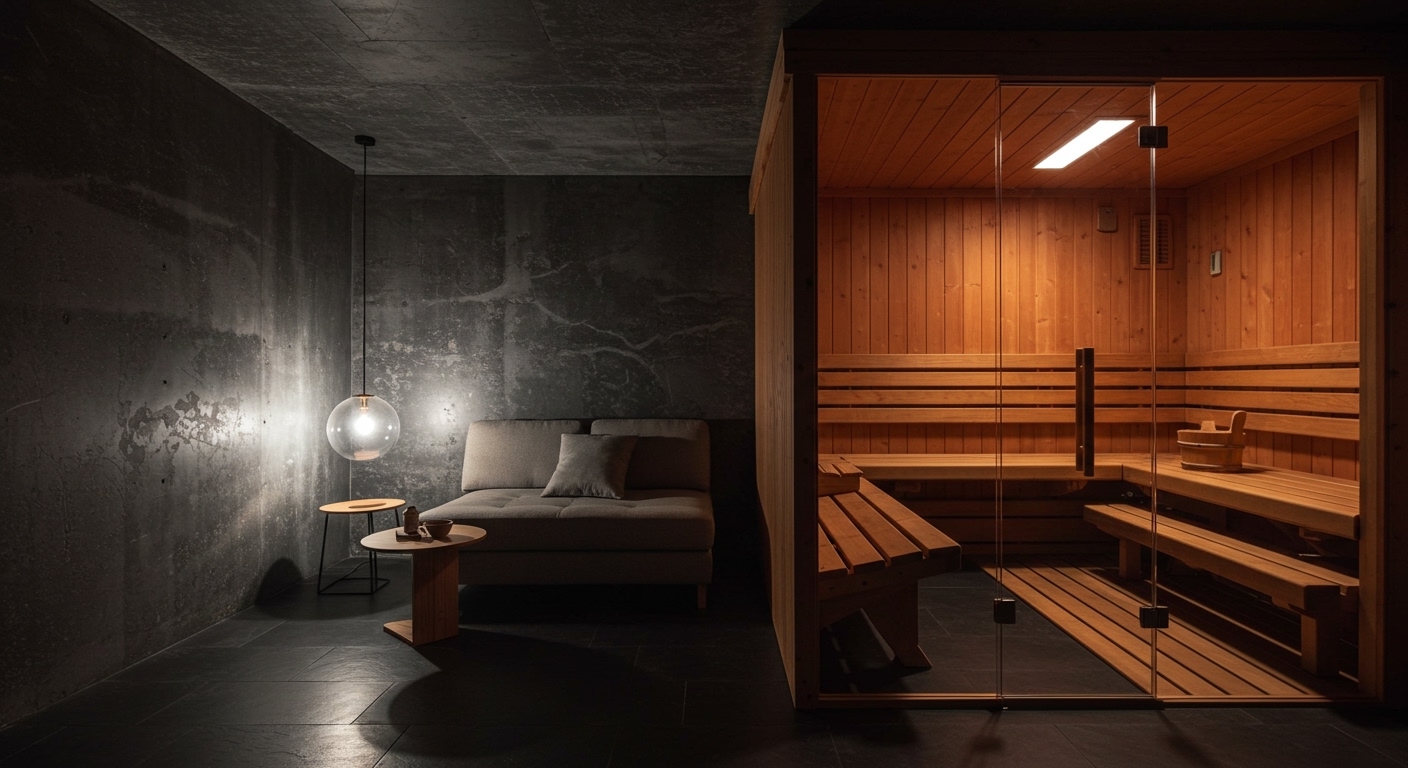
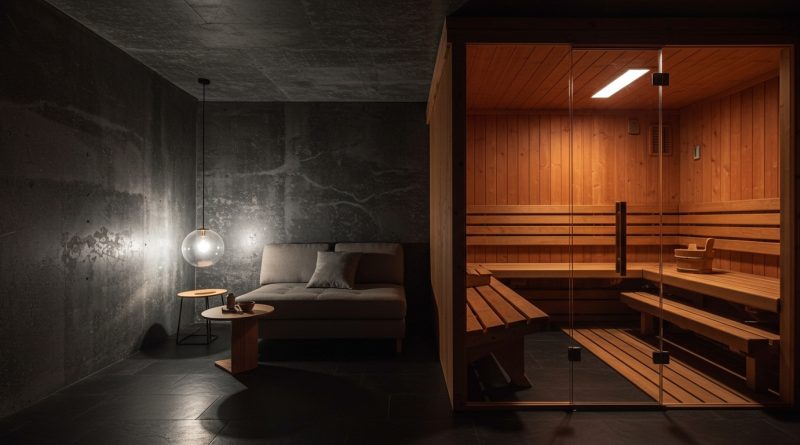
BoND’s application of “the logic of a bento box” to organize the compact Saint private sauna illustrates a growing spatial precision in luxury design.
These diverse projects, from retail to residential to wellness, share a commitment to choreographing human experience through tightly managed material and spatial transitions. Designers are creating environments where tactile quality and controlled flow are paramount, addressing subtle points of user friction and cognitive overload without overtly stating it. The intention is to refine perception and interaction at a micro-scale.
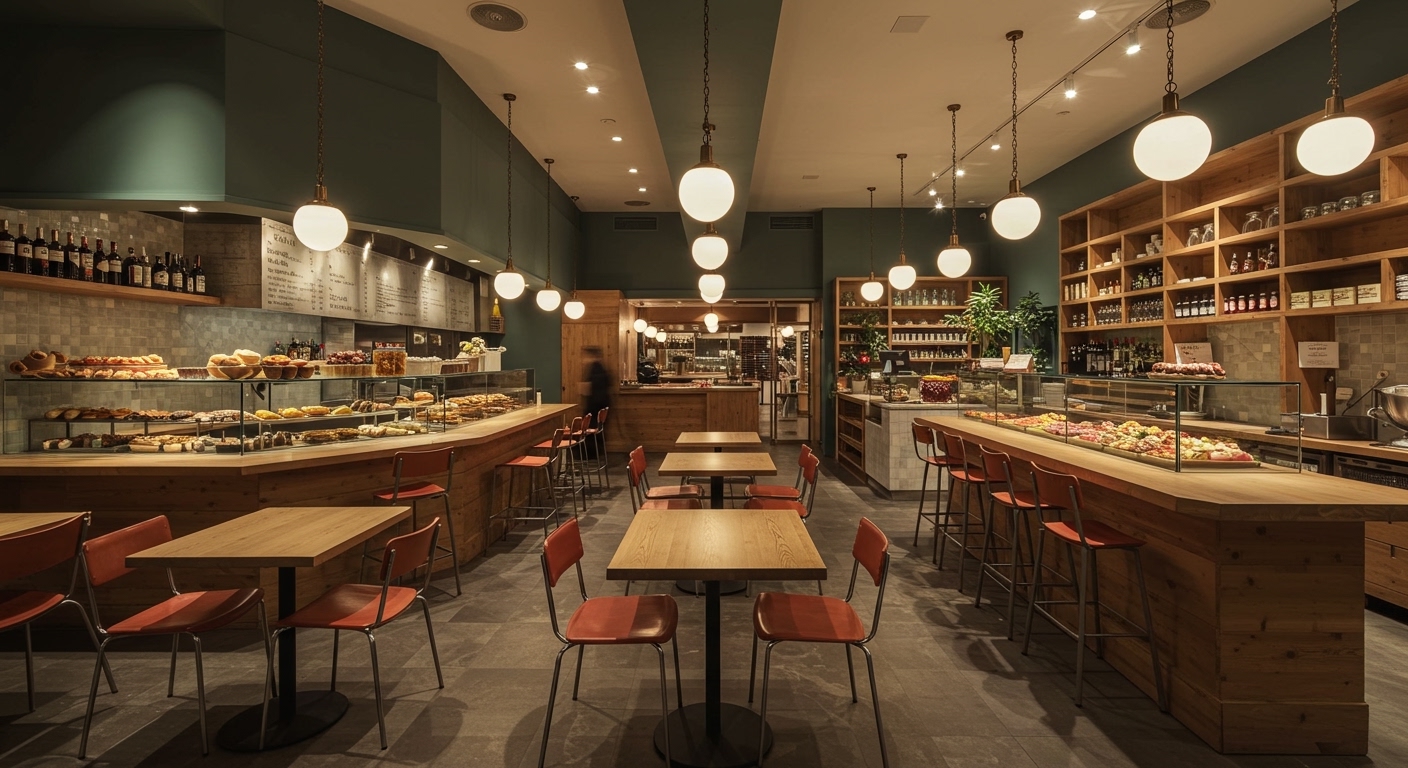
The elongated, curved counter crafted by Nick Tudor for the Toad Bakery in southeast London serves as a prime example of this deliberate spatial choreography. Its design directly mitigates “the bottleneck of choice paralysis” by guiding patrons through a precise, deliberate pathway rather than confronting them with an overwhelming display. Mainstream retail design often champions an abundance of visible options, expansive open plans, and overt flexibility, believing this empowers the consumer and equates to a premium experience. However, this perspective frequently overlooks the subtle anxieties and inefficiencies that overwhelming choice and an undifferentiated spatial flow can introduce. The Toad Bakery model contradicts this conventional wisdom; it suggests that for today’s luxury client, true value lies in the seamless, friction-free ease of an experience, where decisions are implicitly guided and cognitive load is reduced. This is not about limitation, but about elevating the journey through thoughtful, almost invisible design interventions.
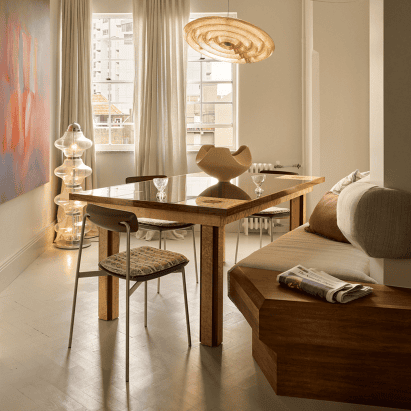
This precise consideration of human flow, tactile quality, and emotional comfort extends across various typologies. YSG’s renovation of The Gentleman apartment in Sydney, with its chamfered surfaces, warm hues, and reinstated art deco features, employs materiality to soften transitions and create a rich, inviting tactile landscape within a 95-square-meter footprint. Similarly, the Costa Brazil store in New York’s Hudson Yards integrates Amazonian crafts from the founder’s personal collection, grounding the retail experience in specific textures and resonant stories rather than a generic brand aesthetic. These are not merely decorative choices; they are functional components of a highly curated sensory journey, creating distinct spatial tension that comforts rather than challenges. Predictions suggest that by mid-2027, the design of luxury retail, hospitality, and wellness environments will increasingly prioritize zones of directed flow and intentional sensory sequencing over broad, flexible spaces. Designers will be challenged to craft environments that pre-emptively resolve decision fatigue and spatial disorientation through subtle cues and material guidance.
This shift toward highly precise, curated micro-experiences faces significant resistance from established development models that prioritize generic flexibility. The entrenched pressure to create “white box” spaces, easily adaptable for various tenants, often inhibits the opportunity for deeply integrated material and flow design from the outset. This resistance stems from a financial model that values perceived maximum occupancy and “future-proofing” versatility over the specific, experiential value that highly tailored spaces can deliver.
An interior professional should immediately begin conducting micro-ethnographic observations within their current projects. This involves closely watching user interaction at points of transition, decision-making, or rest, identifying specific points of hesitation, distraction, or subtle discomfort related to material changes, spatial bottlenecks, or even lighting shifts. This direct observation should then inform tangible design interventions – whether it’s a specific texture to invite touch, a subtle floor-level change to slow pace, or a guided visual path – that subtly enhance the human flow and tactile experience.
TL;DR
Valuable spaces now precisely guide human experience using deliberate material and flow decisions.
Curated References



About this editorial — This piece was developed using AI-assisted research and curation across multiple industry sources. All analysis, opinions, and predictions represent the editorial perspective of JHDD. Sources are linked in the references section above.