Julian’s Web Design Insight — 2026.06.01

The web is drowning in a sea of ghost buttons and a desperate quest for invisible content.
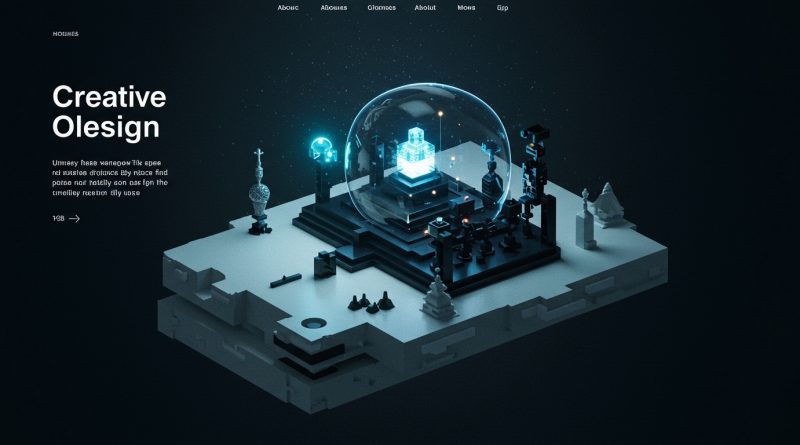
We stand at a precipice, where the digital canvas is evolving from a flat plane into an immersive universe. The promise of WebGL and the artistry of creative coding are no longer niche curiosities but foundational elements for crafting experiences that resonate deeply with users. This shift isn’t merely cosmetic; it’s driven by a modernization of web architecture, embracing dynamic, performant, and responsive frameworks that empower designers to build not just websites, but compelling digital realities. The user’s expectation has moved beyond static pages to interactive journeys, demanding visual richness and intuitive engagement that pushes the boundaries of what was previously imaginable. This evolution necessitates a fundamental rethinking of design and development, where performance, accessibility, and sheer creative ambition converge.

The current discourse reveals a fascinating dichotomy in web design priorities. On one hand, there’s an undeniable push towards hyper-stylized, often experimental visual effects, exemplified by explorations in CSS like revealing text through intricate letter-spacing manipulations or the persistent debate around elements like the defunct ghost button. These trends, while visually intriguing, often prioritize aesthetic novelty over core usability. The critique of ghost buttons as “conversion killers” highlights a crucial tension: the allure of minimalist design can inadvertently obscure critical calls to action, sacrificing functionality on the altar of perceived elegance. This pursuit of a refined, almost ethereal aesthetic, sometimes at the expense of explicit clarity, represents a significant vein of contemporary web design.
However, the underlying technical underpinnings are also undergoing significant refinement, pointing towards a more robust and sophisticated future. Innovations like HTML Anchor Positioning and the ongoing development of cross-document view transitions signal a maturing web platform, focused on smoother, more intuitive navigation and content management. The challenge of scaling view transitions across hundreds of elements, with the need for unique view-transition-names, reveals the intricate engineering required to achieve seamless animated experiences without devolving into an unmanageable CSS labyrinth. This pragmatic, problem-solving approach to technical execution is the necessary counterpoint to the more experimental visual trends, ensuring that ambitious designs are grounded in stable, scalable architecture.
The core tension lies in this divergence: the desire for breathtaking, almost magical digital interactions versus the fundamental need for clear communication and effortless usability. We see designers chasing the cutting edge of visual presentation, exploring techniques to make every element a potential source of wonder, while simultaneously grappling with the basic principle that a button should clearly indicate its purpose. The ghosts of minimalist missteps linger, a reminder that innovation without a user-centric foundation can be an empty pursuit. This conflict between aesthetic ambition and functional imperative is the defining challenge of this moment.
Looking ahead, the future of web design will be defined by the seamless integration of hyper-realistic immersive experiences with uncompromising clarity. By 2026, the brands that will truly capture attention will not only leverage WebGL for breathtaking visual spectacles but will do so with an inherent understanding of user flow and conversion psychology, discarding the deceptive simplicity of ghost buttons for clearly defined, impactful interactive elements that guide users intuitively. This era will see AI assisting in the creation of rich, dynamic content, but the ultimate arbiter of success will remain the human designer’s ability to balance awe with accessibility, building experiences that are as understandable as they are unforgettable.
The web is forging a future where stunning visuals meet functional necessity.