JHDD Packaging Report — 2026.10.02
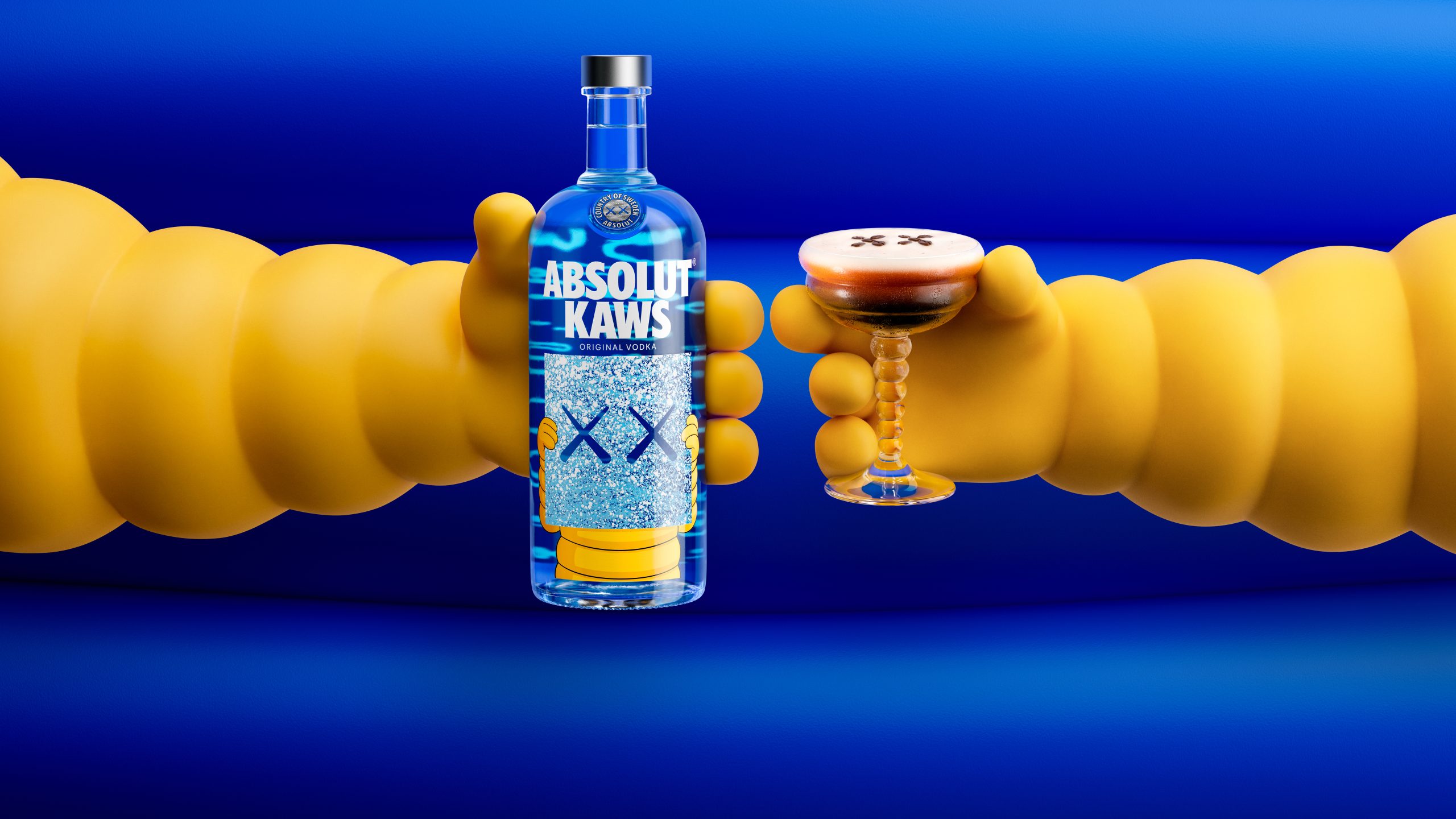
Absolut and KAWS transform iconic vodka bottles into collectible art pieces, featuring the artist’s CHUM character and signature XX eyes. This move signals a deliberate shift in how packaging is conceived, challenging its traditionally finite lifecycle.
The common thread across recent developments, from collectible art bottles to archives of historic cosmetic objects, is packaging’s evolving role beyond mere containment or brand communication. These stories reveal a growing recognition of packaging as an object with inherent, enduring value, capable of transcending its primary functional lifespan to become a valued artifact, a display piece, or a part of a curated collection. This pattern indicates a nascent shift towards designing packaging for its post-consumption narrative, not just for its initial shelf impact or its recyclability.
The collaboration between Absolut and KAWS exemplifies this emerging trajectory. By intentionally crafting a limited-edition bottle as a collectible art piece, Absolut deviates from the mainstream industry’s predominant focus on packaging as a disposable utility. Conventional wisdom often prioritizes rapid throughput and disposability, viewing packaging primarily as a cost center or a transient brand touchpoint before it enters the waste stream. However, designing for collectibility fundamentally contradicts this perspective, assigning intrinsic worth that encourages preservation rather than discard. This approach to sustainability extends beyond material composition, embracing longevity of aesthetic and emotional appeal as a mechanism to reduce waste by extending an object’s ‘first life.’
Erin Parsons’ Make Up Archive, a collection of 4,000 historic cosmetic objects, further underscores the latent value in packaging once its primary function is complete. These objects were not initially designed as museum pieces, yet they have become significant historical artifacts. This suggests that even everyday packaging, when imbued with thoughtful design and material choice, possesses the potential for long-term cultural and aesthetic significance. Future packaging strategies must integrate these insights. By mid-2028, leading consumer brands will increasingly stipulate ‘post-use display value’ and ‘collectibility potential’ as explicit design parameters, influencing material selections towards finishes and structural robustness that support extended lifecycles in the home or as treasured objects. This will redefine premium unboxing experiences to include the anticipation of owning a lasting item.
The primary force resisting this shift is the entrenched operational model of mass consumer goods, which prioritizes cost efficiency, speed of production, and logistical simplicity above all else. This model favors lightweight, inexpensive, and often single-use materials, making it difficult for brands to invest in the more durable, tactile, and aesthetically sophisticated materials required for collectible packaging. Furthermore, current recycling infrastructure often does not differentiate between packaging designed for immediate discard and packaging intended for preservation, perpetuating a disposable mindset.
A packaging professional should immediately adjust internal design briefs to incorporate “post-consumption narrative” as a key performance indicator. This involves specifying material choices, structural designs, and tactile finishes that support the empty package’s potential for display, reuse, or archiving, alongside existing metrics for cost and recyclability.
TL;DR
Packaging must be designed for enduring value beyond its initial use, encouraging preservation over discard.
Curated References

About this editorial — This piece was developed using AI-assisted research and curation across multiple industry sources. All analysis, opinions, and predictions represent the editorial perspective of JHDD. Sources are linked in the references section above.