JHDD Interior Report — 2026.10.01
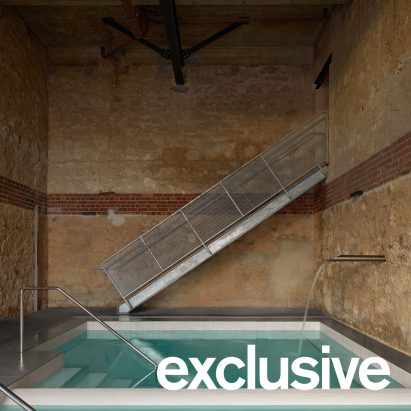
Rezen’s Alchemy Saunas in Australia transforms a 1903 hotel stable into a wellness centre using rough brick walls and arched openings.
This specific detail, found across several recent projects, indicates a pattern: designers are deliberately breaking from the smooth, often characterless forms that dominated the preceding decade. Studios are now creating spatial experiences that lean into intrinsic material qualities, historical echoes, and dynamic human interaction rather than prioritizing visual abstraction or seamless integration. The focus is shifting from what a space looks like to how it feels and functions on a primal level.
The work by Rezen at Alchemy Saunas exemplifies this reorientation towards sensory engagement, intentionally evoking a Roman bathhouse feel through its “raw and direct” approach. Luxury interior design, for too long, has prioritized a polished, unblemished aesthetic, where every surface is treated to a uniform perfection, often at the expense of genuine tactile depth. This conventional wisdom dictates that true sophistication lies in the absence of perceived imperfection, leading to spaces that are often visually stunning but experientially sterile. However, projects like Alchemy Saunas suggest a departure from this: an explicit embrace of unrefined textures and forms. The rough brick walls and inherent structural arches become not just design elements, but primary sources of spatial tension and human connection. This intentional rawness creates a distinct tactile quality that invites interaction and grounds the user in the physical reality of the space, a stark contrast to the weightless, often disembodied feel of highly curated, minimalist environments.
This approach, by highlighting the inherent character of materials and architecture, contradicts the mainstream belief that luxury must always imply a newly fabricated, pristine environment. Instead, it argues for a different kind of opulence: one that respects and reveals provenance, where wear and patina are anticipated and welcomed, rather than hidden. The resulting spatial tension from juxtaposing historical structure with new function fosters a more engaging human flow, encouraging occupants to slow down and physically apprehend their surroundings. This is not about sacrificing elegance but redefining it. Within two years, more global luxury hotel and residential projects will actively specify intentionally unfinished or historically patinated materials, moving beyond mere decorative accent to fundamental structural and surface expression that deeply influences user experience.
This re-evaluation of materiality and finish finds resistance in the ongoing market demand for instant gratification and trend-driven aesthetics. The desire for what is new, sleek, and immediately Instagrammable often overrides considerations of longevity or deep sensory engagement. Clients who prioritize easily interchangeable surfaces and the rapid adoption of digital-first aesthetics may view a “raw and direct” approach as lacking sophistication or being insufficiently “finished.”
Interior professionals should actively integrate material narratives into their early conceptual proposals. Rather than selecting finishes based purely on current visual trends, designers must research and present materials that possess inherent tactile qualities and age gracefully. Consider sourcing and exposing structural materials or historical layers within a site, allowing them to contribute directly to the spatial tension and character, rather than concealing them beneath layers of drywall and paint.
TL;DR
The current direction of luxury interior design favors authentic materiality and historical resonance over pristine, abstract perfection.
Curated References

About this editorial — This piece was developed using AI-assisted research and curation across multiple industry sources. All analysis, opinions, and predictions represent the editorial perspective of JHDD. Sources are linked in the references section above.