JHDD Packaging Report — 2026.09.30
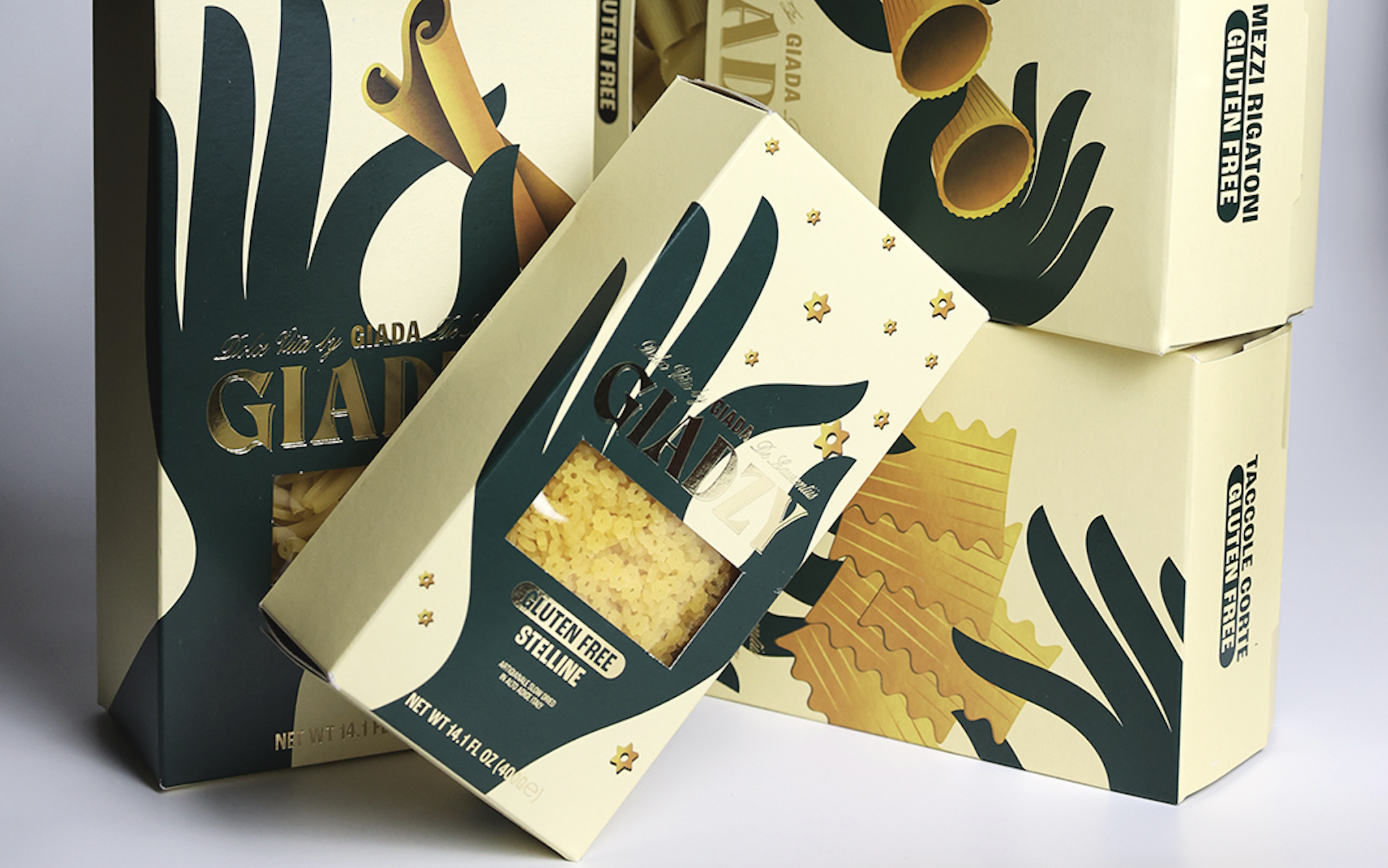
Giadzy’s new gluten-free line features cosmopolitan packaging designed by A Studio, emphasizing a distinct brand identity.
This particular detail, alongside refreshes for MorningStar Farms and Poland Spring, highlights a convergent pattern across brand packaging strategies. Brands are increasingly investing in specific visual and tactile narratives rooted in heritage, place, or distinct aesthetic eras. This trend gains traction even as the broader conversation around replacing plastic, as noted by Interact Sustainability Manager Valerie Hawks, faces significant economic and logistical resistance. The focus has subtly shifted from explicit material sustainability messaging to conveying enduring value through design.
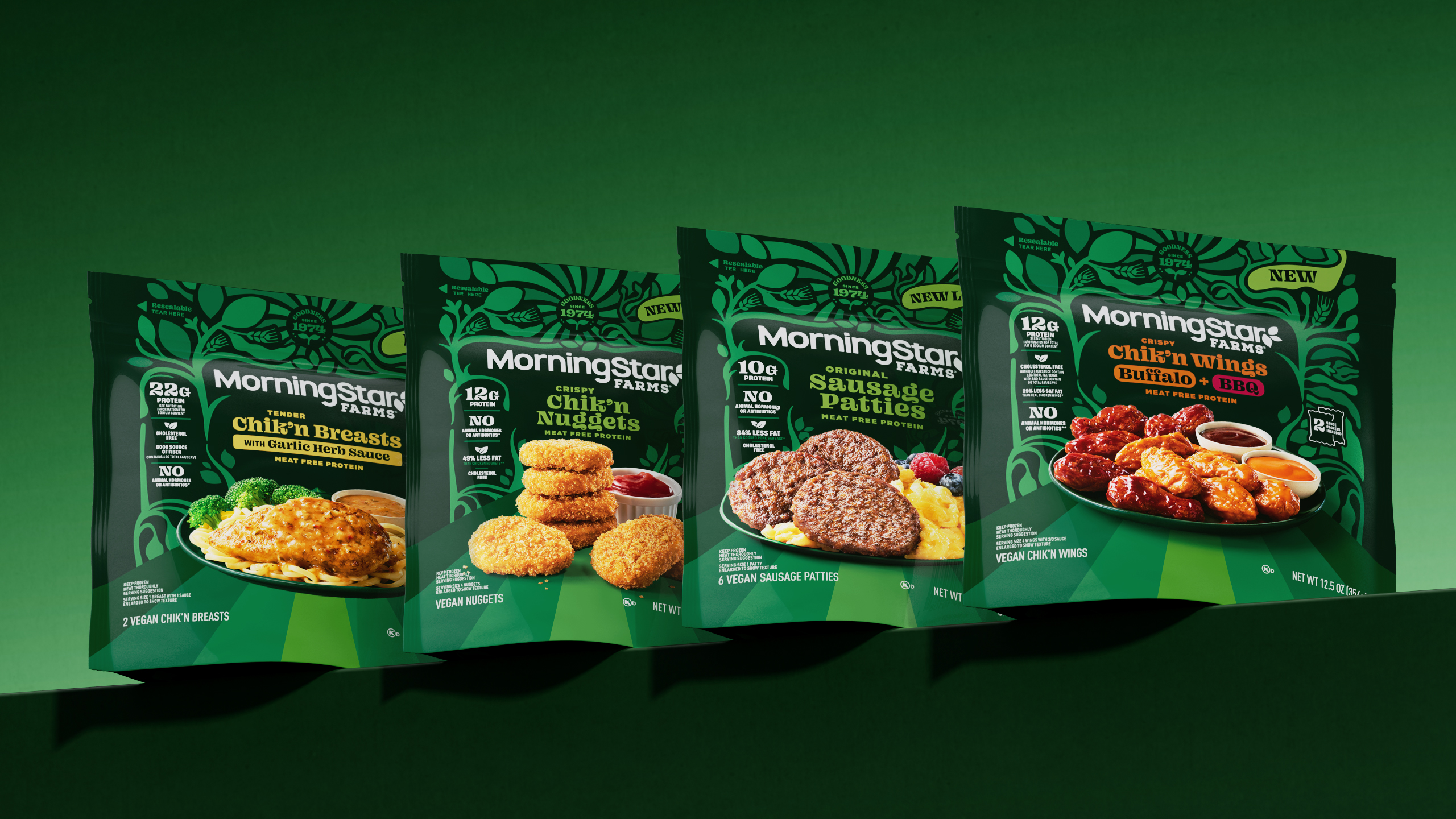
The MorningStar Farms refresh by Design Bridge and Partners exemplifies this by adopting 1970s inspired illustration and rich greens, delivering a distinctive shelf impact. This strategy directly contradicts a widespread industry belief that sustainable packaging must always conform to minimalist or overtly “eco-conscious” aesthetics. Instead, brands are discovering that investing in unique aesthetic depth and tactile richness, communicated through expressive typography and evocative imagery, can effectively convey lasting value and product quality. This nuanced approach fosters consumer attachment by elevating the unboxing experience, which in itself can contribute to a more sustainable perception by encouraging retention and reducing the perceived disposability of a product.
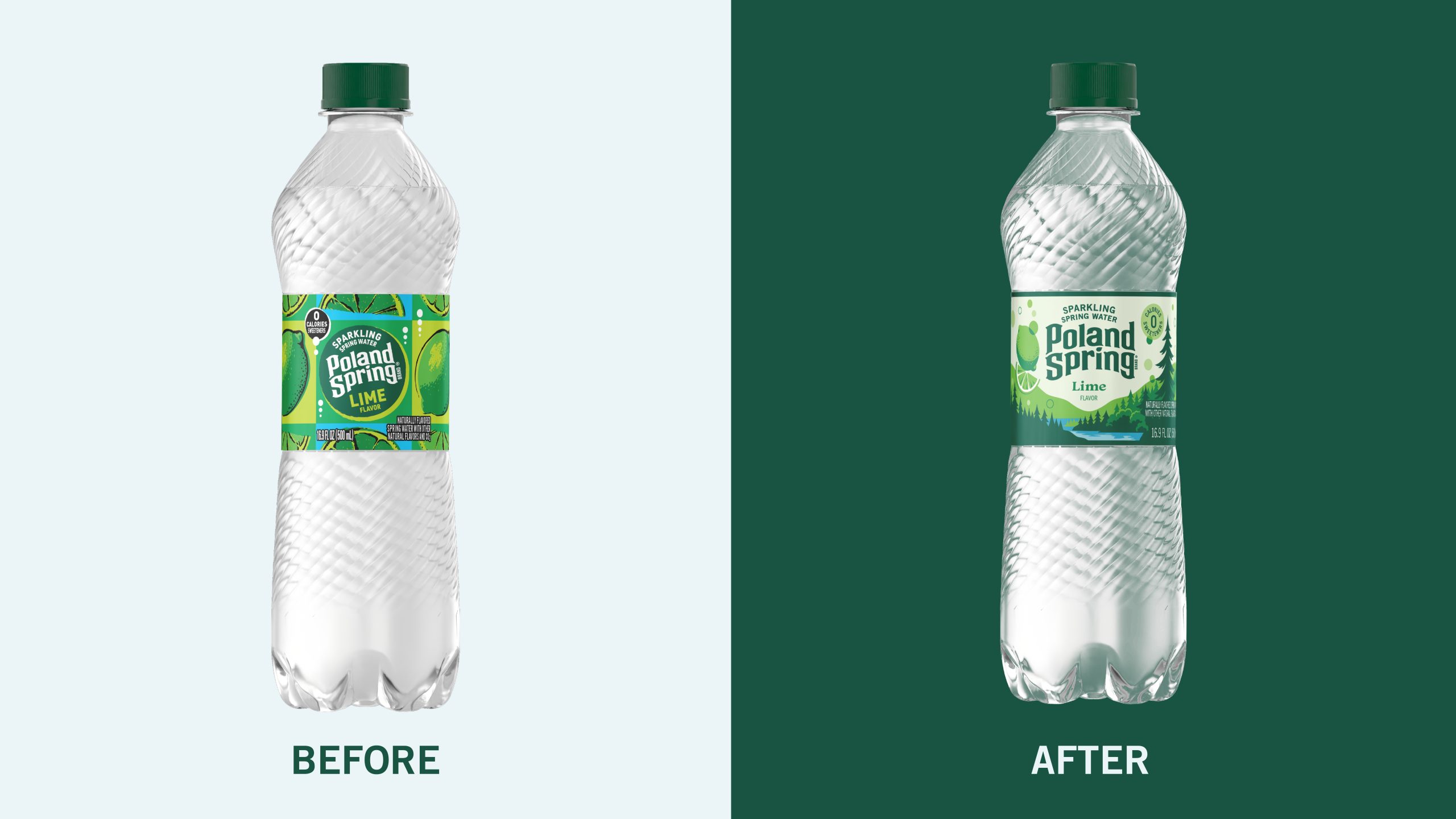
Valerie Hawks’ “Trash Talk” column offers critical insight into this pivot, explaining how sustainability initiatives are currently competing with pervasive issues like inflation, tariffs, retailer requirements, and supply chain instability. Rather than focusing solely on expensive, often supply-constrained, new sustainable materials, brands are optimizing the sensory and narrative aspects of current packaging substrates. Poland Spring’s transition to “vintage travel poster charm” from generic fruit-heavy designs directly illustrates this, underscoring a sense of place and brand heritage. This indirect form of sustainability, rooted in building brand loyalty and perceived durability through exceptional design, is gaining precedence. By late 2027, it is anticipated that a majority of CPG companies will prioritize sensory branding and narrative-driven design over explicit “green” claims in their packaging refreshes, ultimately aiming to build consumer trust and loyalty through perceived quality rather than solely material certifications.
The most formidable opposing force to comprehensive material sustainability innovation is the immediate economic pressure imposed by inflation and tariffs, coupled with ongoing supply chain instability. These factors directly influence the cost and availability of advanced sustainable materials. Additionally, existing retailer requirements for specific packaging formats and legislative frameworks, while aiming for environmental improvement, often impose constraints that subtly reinforce reliance on established, often less sustainable, packaging solutions for reasons of efficiency and cost.
A packaging professional should immediately audit their existing product lines for opportunities to enhance tactile elements and refine visual narratives using current packaging substrates. This includes exploring techniques like embossing, debossing, spot varnishes, or integrating richer, more authentic illustrations that communicate heritage, quality, and a sense of place, without necessarily requiring a costly material overhaul. This approach significantly elevates both the shelf impact and the unboxing experience, thereby contributing to perceived product longevity.
TL;DR
Packaging design is prioritizing brand narrative and sensory appeal over explicit sustainability claims in current market conditions.
Curated References

About this editorial — This piece was developed using AI-assisted research and curation across multiple industry sources. All analysis, opinions, and predictions represent the editorial perspective of JHDD. Sources are linked in the references section above.