JHDD Packaging Report — 2026.09.13
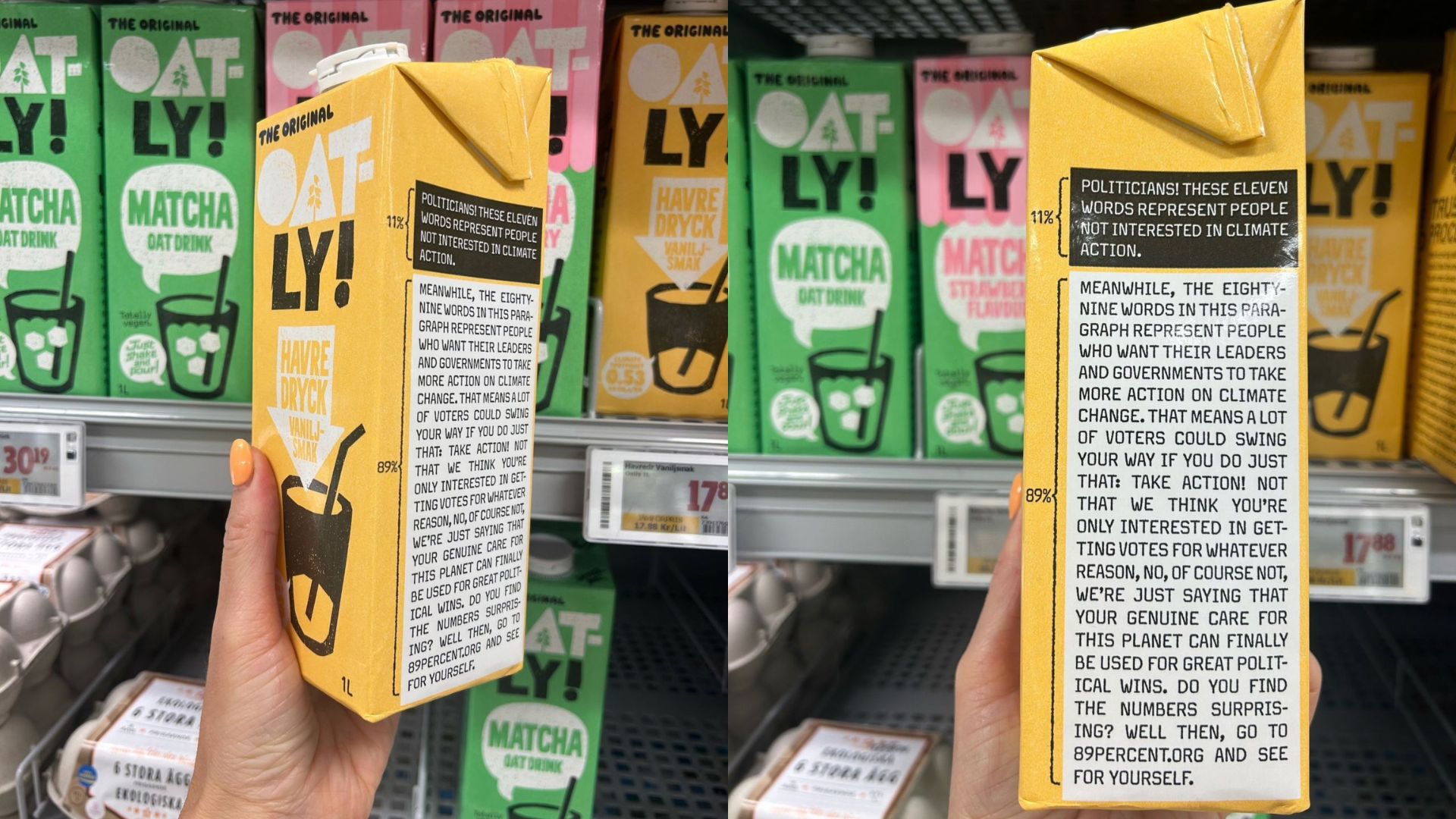
Oatly’s recent decision to dedicate a side panel of its cartons to The 89 Percent Project signifies a profound shift in packaging’s role.
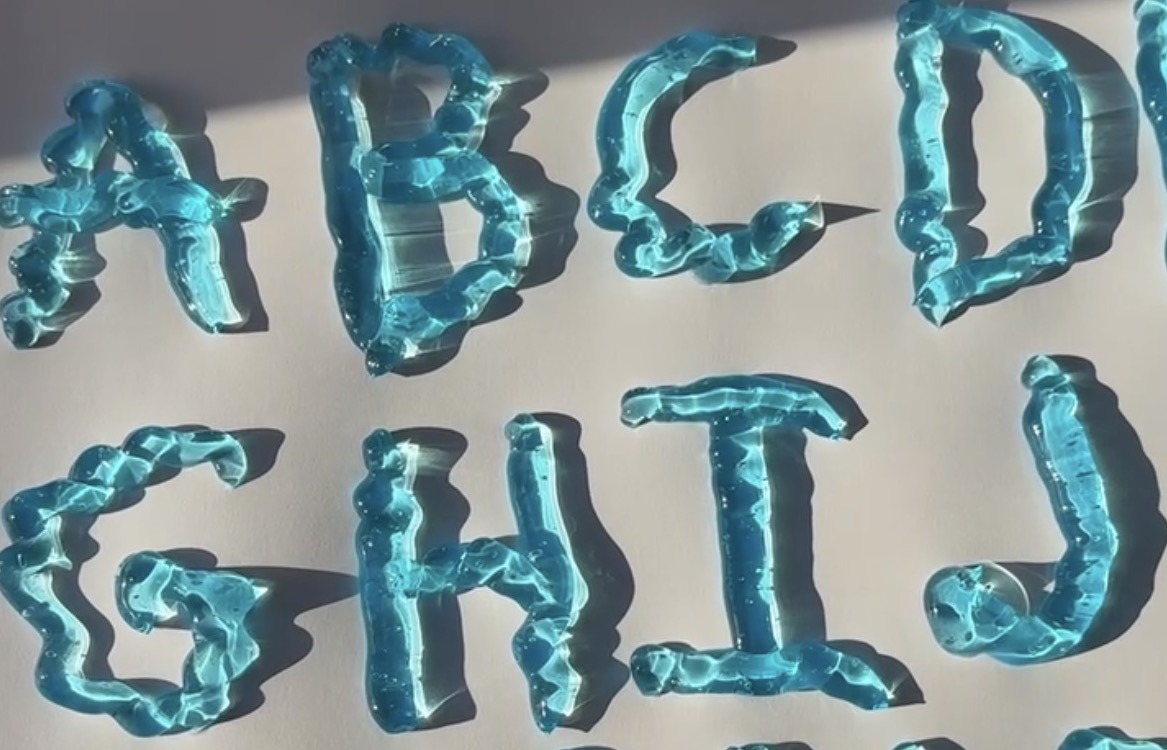
This action, alongside projects like Valeria Kokur’s exploration of fonts made from physical materials and Šariš’s rebrand for bolder shelf presence, points to packaging evolving into a primary physical touchpoint for expressing brand purpose and intrinsic values. These initiatives move beyond mere product containment or aesthetic appeal, leveraging the package itself as a dynamic, tactile medium for narrative, identity, and even social commentary, directly influencing both initial shelf impact and the deeper connection formed during interaction.
Consider Oatly’s approach. While many industry discussions around sustainable packaging center on material innovation and circularity, Oatly utilizes its existing Tetra Pak cartons—a material often scrutinized for its recyclability infrastructure—to deliver a powerful social message about climate action. This contradicts the conventional wisdom that sustainable packaging is solely about the physical composition of the material. Instead, Oatly uses the packaging as a political placard, engaging consumers on a shared societal concern. This strategy redefines sustainability, suggesting it includes the active use of packaging to advocate for broader environmental and social causes, rather than being a passive bearer of green credentials. The tangible surface becomes a public forum.
This shift indicates a strategic pivot where the unboxing experience begins not with opening, but with the initial engagement on the shelf, where the packaging’s voice extends beyond brand promises to shared values. Tactile branding, in this context, moves beyond surface texture to encompass the feel of a brand’s convictions. Projects like Valeria Kokur’s, where typography itself is rooted in physical, often organic, materials like olive oil or coffee beans, demonstrate an innate connection between material honesty and communication. By mid-2027, brands will increasingly integrate bespoke, physically-derived typographical elements or directly printed activist messaging on packaging, anticipating that consumers will actively seek out products that align with their social stances, making the package a tangible manifesto.
The primary resistance to this evolved approach comes from entrenched supply chain efficiencies and cost-cutting mandates. Implementing unique tactile finishes, integrating variable messaging for political campaigns, or even experimenting with unconventional material-based fonts demands flexibility and investment in design, printing technologies, and material sourcing that often conflict with streamlined, high-volume production models. Marketing departments, still beholden to immediate sales uplift metrics, may also resist diverting precious packaging real estate to messages that do not directly promote product features.
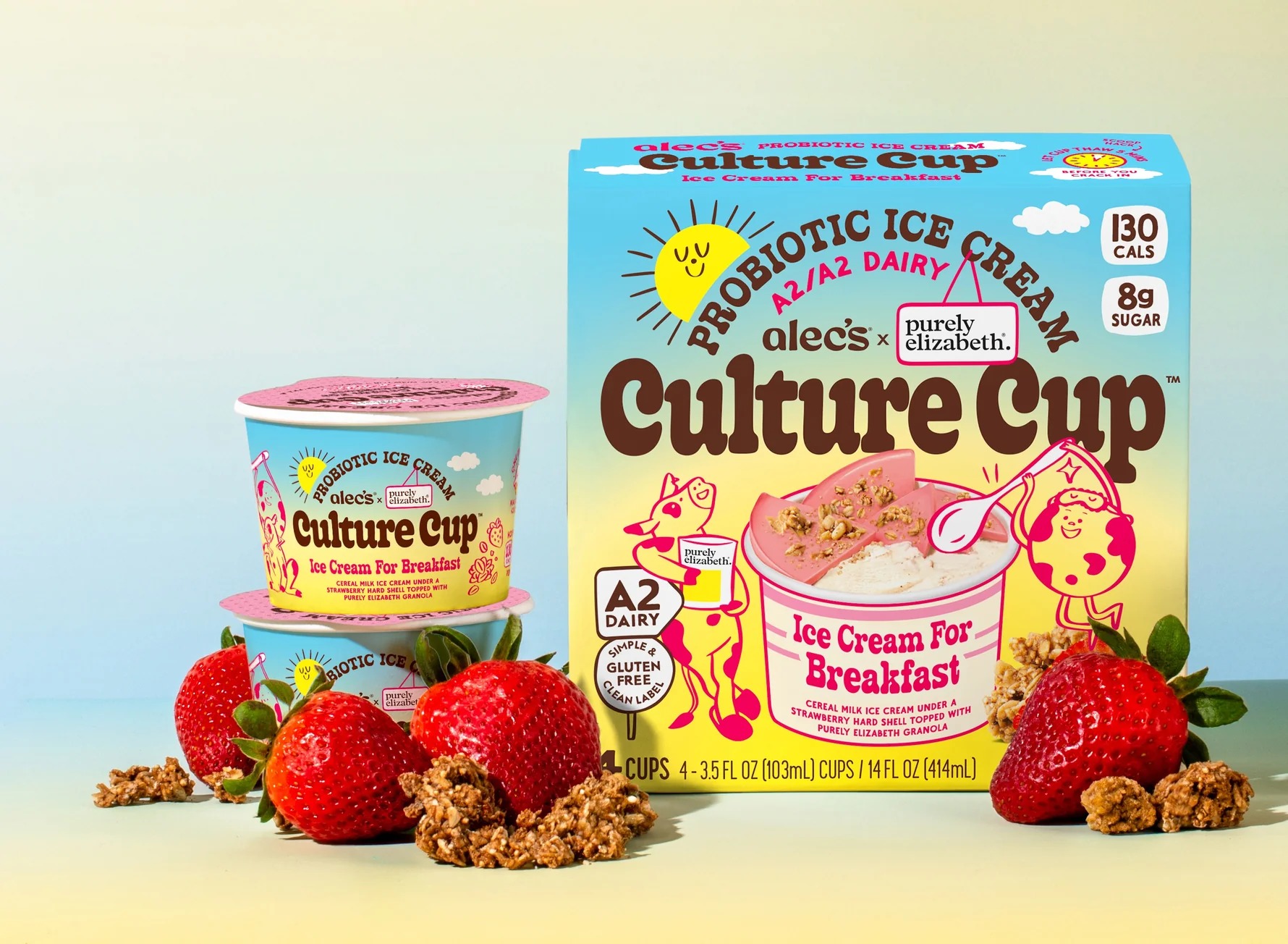
Packaging professionals should dedicate a portion of their design budget, perhaps 5-10%, specifically to exploring “purpose-driven surfaces.” This involves conducting user research on how consumers react to tactile narratives and social messaging on packaging, even if it displaces traditional marketing copy. They should also experiment with micro-batch packaging runs or limited-edition collaborations, similar to Alec’s x Purely Elizabeth’s “Ice Cream for Breakfast” cups at Target, to test these new communication strategies and measure their impact on brand perception and loyalty, rather than just immediate sales.
TL;DR
Packaging is becoming a tangible platform for brand purpose and social advocacy, extending beyond material sustainability to communicative and tactile honesty.
Curated References

About this editorial — This piece was developed using AI-assisted research and curation across multiple industry sources. All analysis, opinions, and predictions represent the editorial perspective of JHDD. Sources are linked in the references section above.