JHDD Packaging Report — 2026.09.12
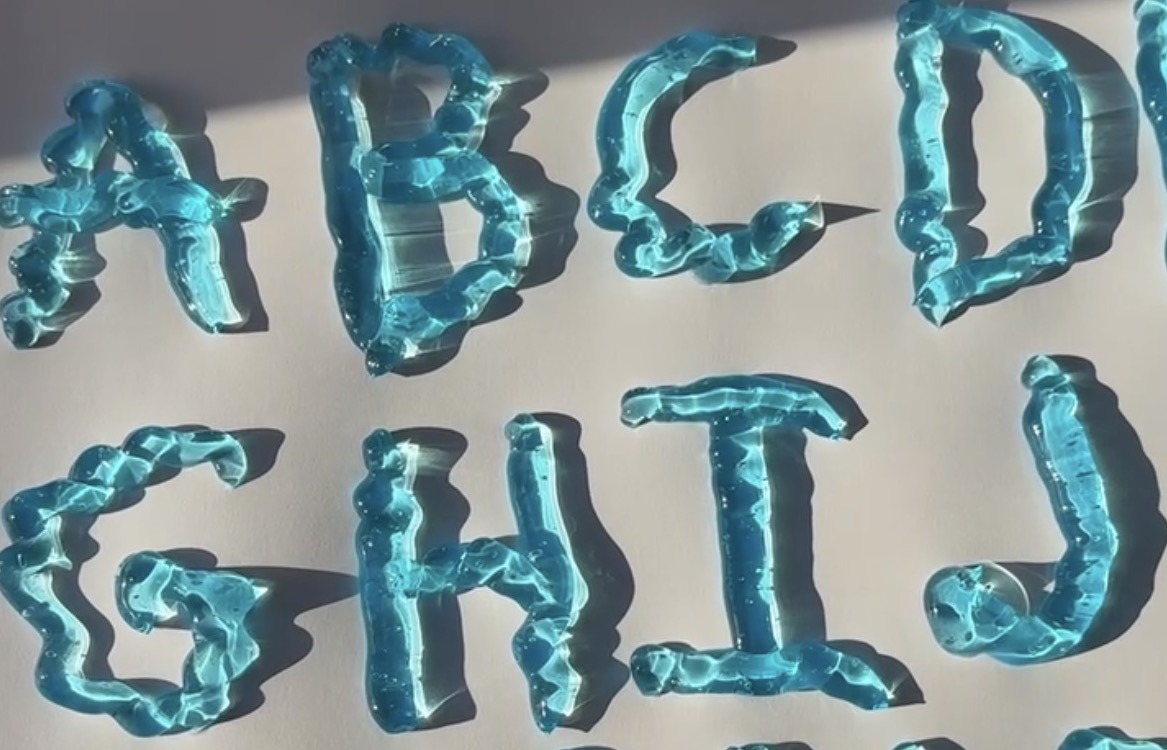
Valeria Kokur’s process of hand-making fonts from materials like olive oil and shaving cream highlights a fundamental shift in how consumers perceive packaging.
This specific pattern reveals that physical materiality and direct communication are becoming inseparable expressions of brand authenticity. Packaging is evolving from a mere container or a polished aesthetic surface into a direct, multi-sensory articulation of a brand’s values and the product’s inherent truths. Brands are increasingly leveraging tangible textures, explicit messaging, and transparent ingredient stories to foster deeper connections beyond superficial visual appeal.
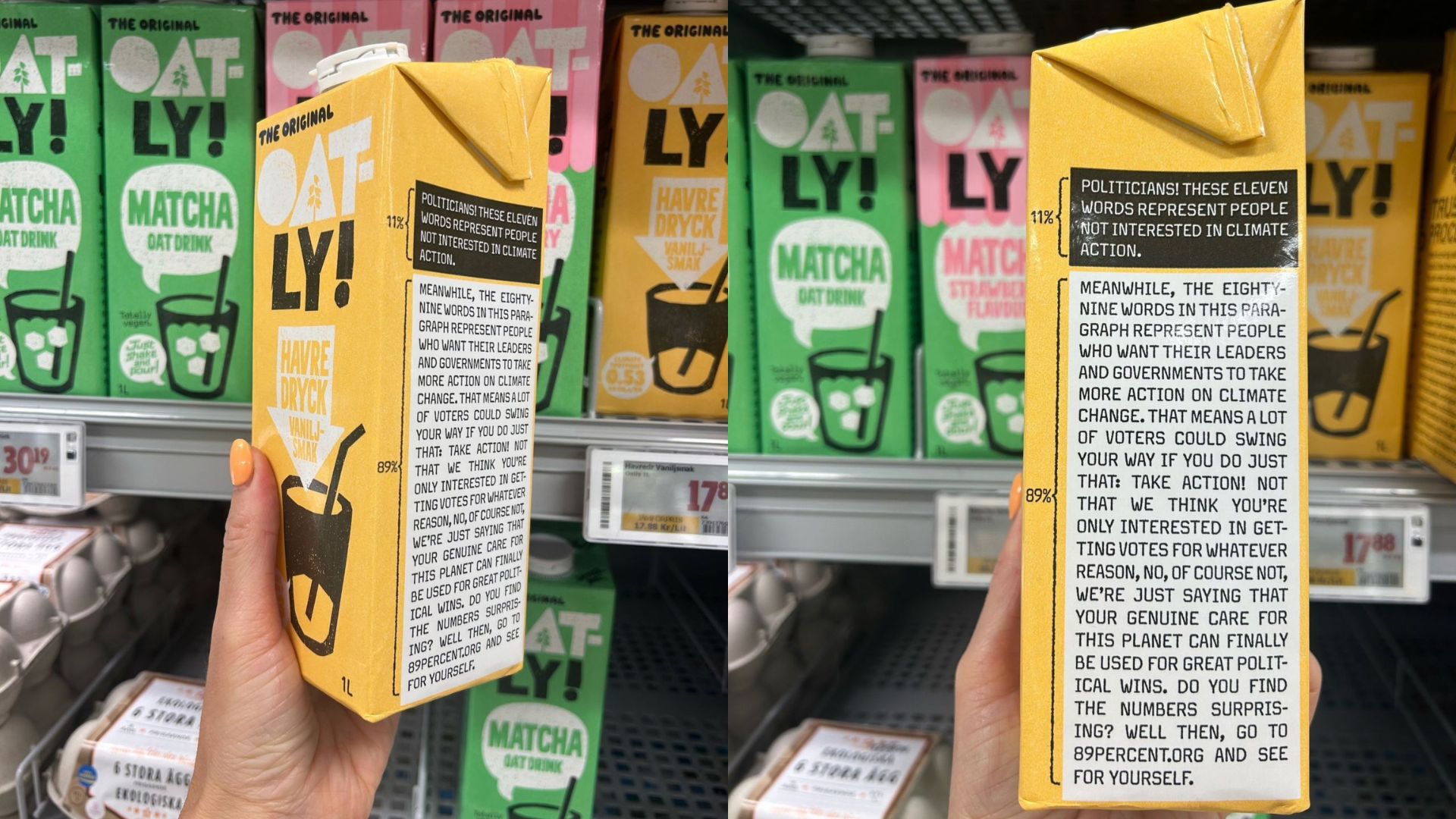
Oatly dedicating one side panel of its cartons to promote The 89 Percent Project, urging political action on climate change, exemplifies this shift. Mainstream industry opinion often dictates that packaging is primarily a vehicle for product promotion and brand messaging, not political advocacy, viewing such directness as a market risk. This view is outdated. In reality, such explicit declarations are becoming a critical component of brand relevance and identity. Consumers are increasingly discerning and expect brands to embody their stated values concretely. Packaging that speaks directly to societal concerns, rather than passively decorating a shelf, builds a stronger, more resonant connection. By mid-2027, a significant number of challenger brands will actively integrate direct socio-political messaging into their primary packaging designs, treating these statements as a form of tactile branding that signals conviction.
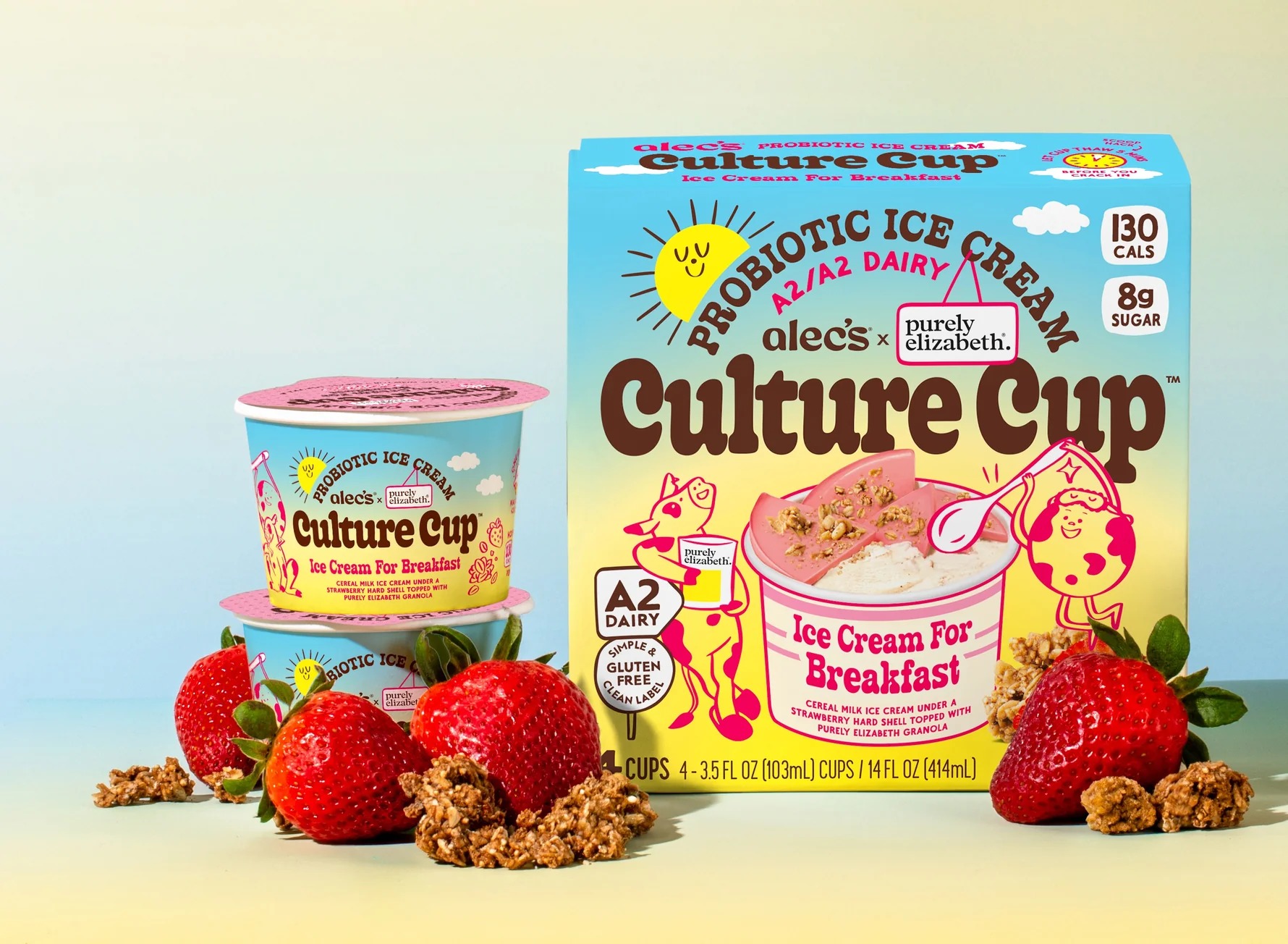
The “Ice Cream for Breakfast” cups by Alec’s and Purely Elizabeth further underscore this move towards material honesty and direct benefit communication, emphasizing probiotic A2 dairy, 150 calories, and 9 grams of sugar. The unboxing experience here is not about a luxurious reveal, but about transparent affirmation of product benefits and shared wellness values. Similarly, Šariš’s rebrand, transforming its caron into a spark for a bolder, simplified identity, prioritizes clear, impactful communication over complex, dated regional cues. These examples collectively demonstrate that authentic tactile branding can manifest not only through physical texture but also through the clarity and directness of the message itself, establishing a deeper, more trust-based interaction at the point of purchase and consumption.
The primary opposing force to this trend is the entrenched conservatism of large corporate marketing departments, which often prioritize perceived broad appeal and risk aversion over bold, value-driven statements. Additionally, the inertia of existing manufacturing processes and the cost implications of implementing novel material-driven or message-heavy packaging solutions can hinder adoption, often favoring minor aesthetic tweaks over foundational shifts.
A packaging professional should this week conduct a “material truth” audit across their brand’s key SKUs. This involves evaluating if the tactile and visual attributes of their packaging genuinely reflect the core values, ingredients, and ethos of the product, or if there is a disconnect that could be addressed through more authentic material choices or direct messaging.
TL;DR
Packaging is evolving into a direct, material expression of brand values and product truths.
Curated References

About this editorial — This piece was developed using AI-assisted research and curation across multiple industry sources. All analysis, opinions, and predictions represent the editorial perspective of JHDD. Sources are linked in the references section above.